We read 45 primary sources on AI in bioprocessing. In GMP today: narrow soft sensors and multivariate monitoring. Closed-loop control, predictive twins and language models are lab, development or claims, and the EU Annex 22 on AI is still a draft.
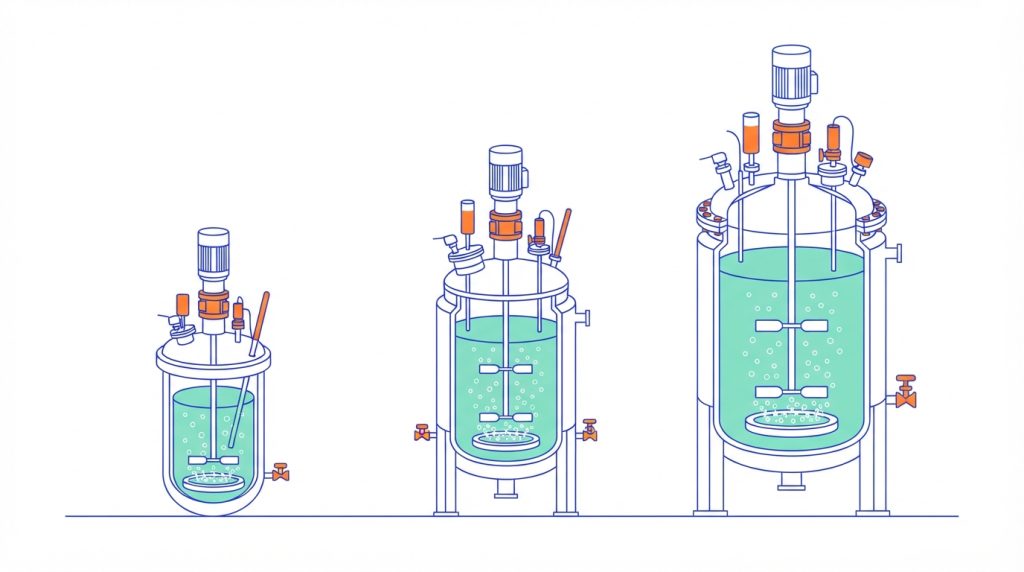
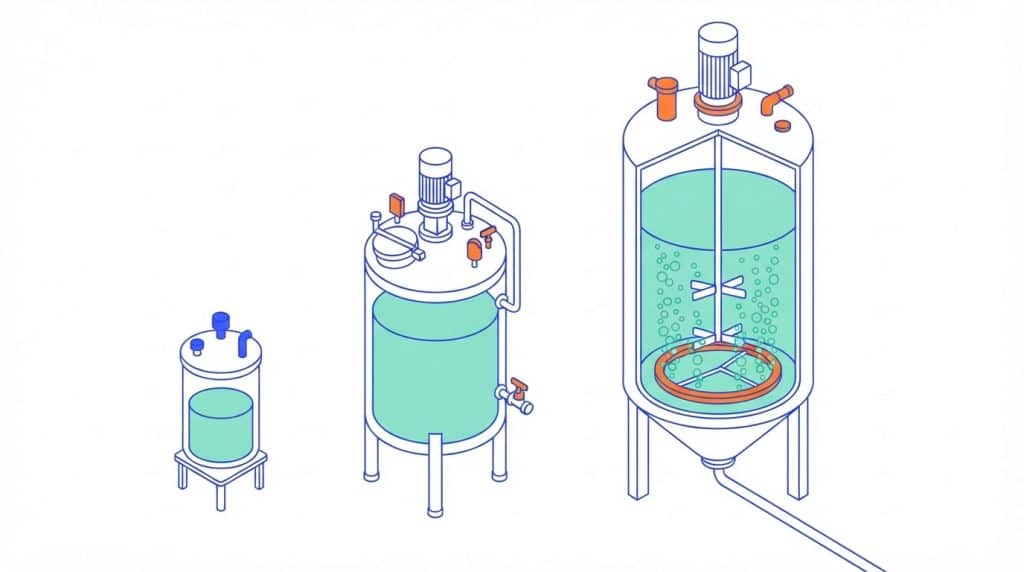
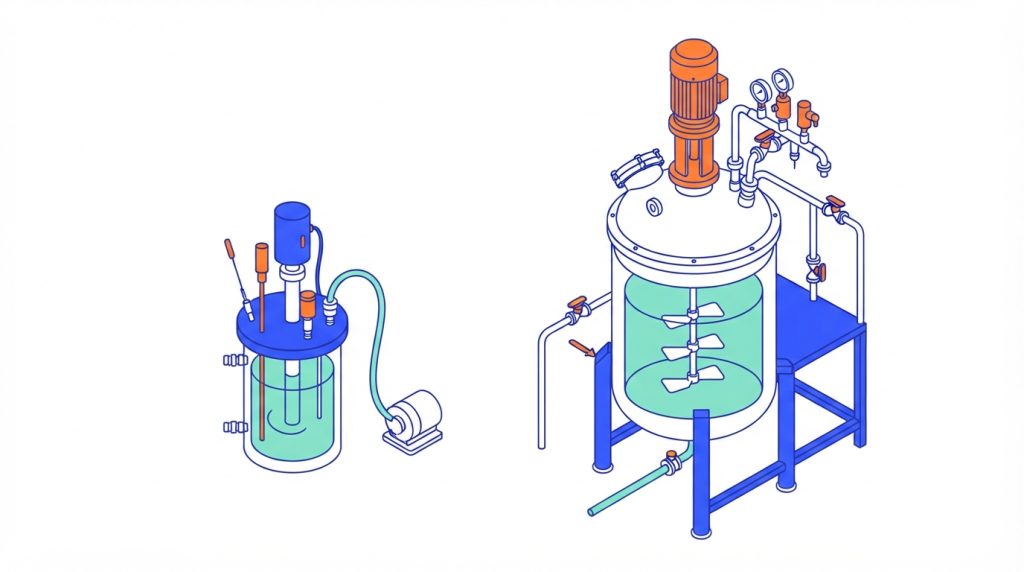
We read 40 primary sources on bioreactor scale-up. No criterion can be held with the others; in cell culture the trouble is usually CO2 and the sparger, in microbial fermentation oxygen and heat, and kLa correlations do not travel between scales.
We read 43 primary sources. Raman tracks glucose well and titre poorly, capacitance counts cells until they stop growing and swell, models break when the cell line, scale or probe changes, and no regulator requires any of it.
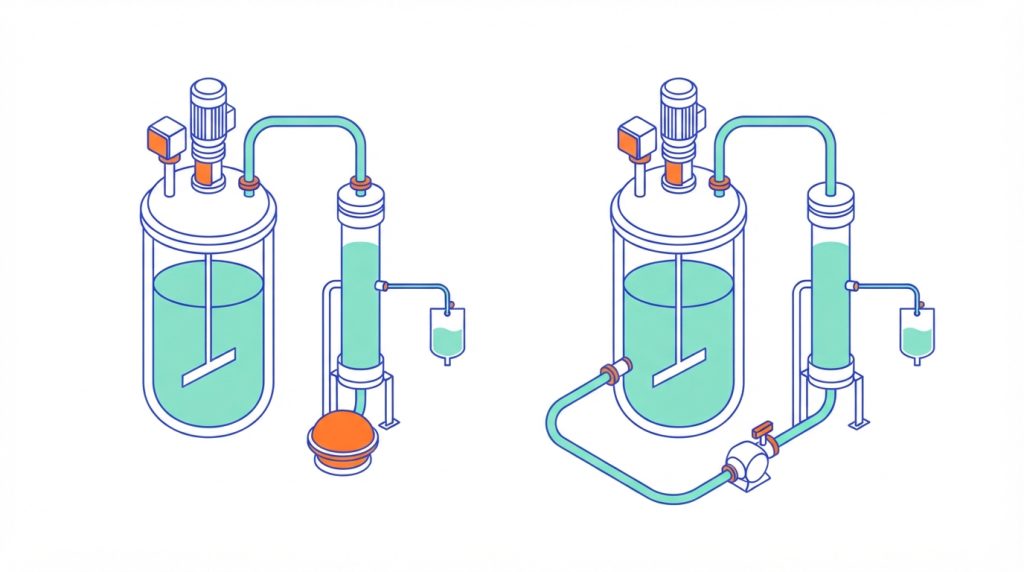
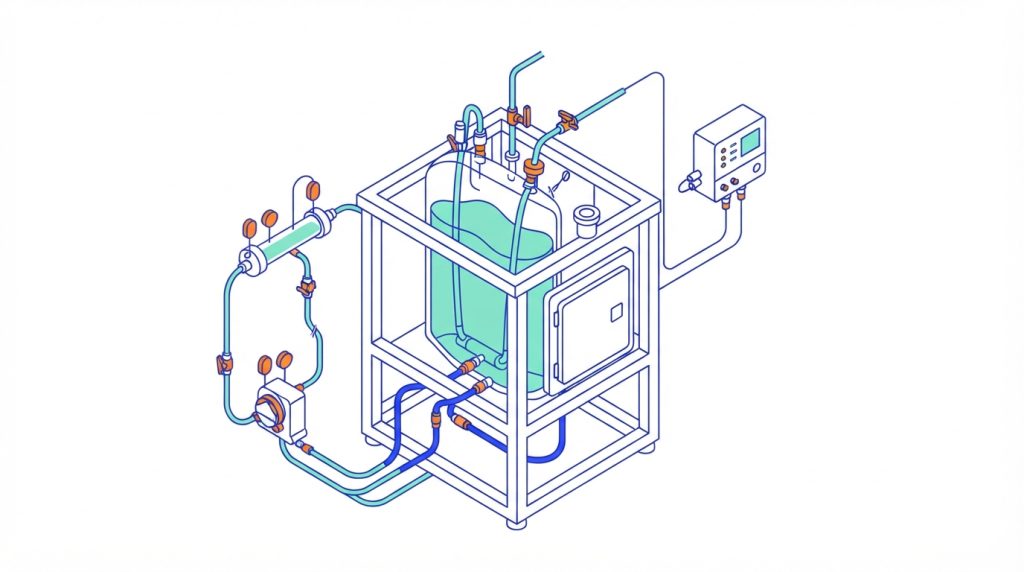
We read 46 primary sources. ATF and TFF use the same hollow fibre and differ in the pump. Both hold back product as the filter ages, the head-to-head studies disagree, and what fouls the fibre is particles the size of its pores.
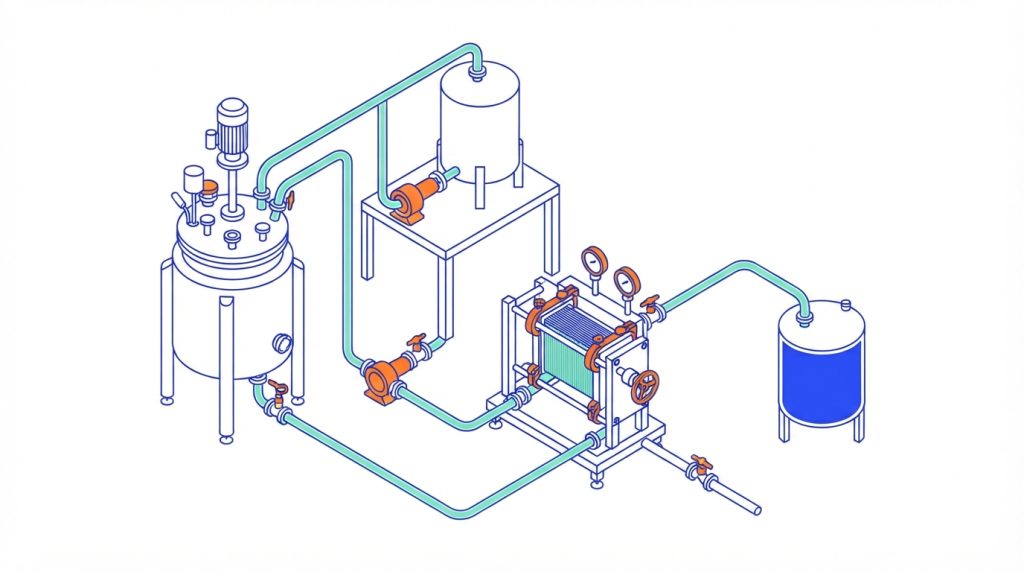
We read 40 primary sources. Perfusion makes several times more per litre per day and, in three models, needs five to eight times less bioreactor volume, but in the cost models read in full it only wins at small scale.
We read 38 primary sources on CHO perfusion. Two flows deserve most of the attention on cost: the medium you buy and the product the bleed throws away.
A J. Agric. Food Chem. paper extracts chitin from shrimp shell by lactic acid fermentation on coconut water plus a protease step, and repeats it in a stirred-tank bioreactor.
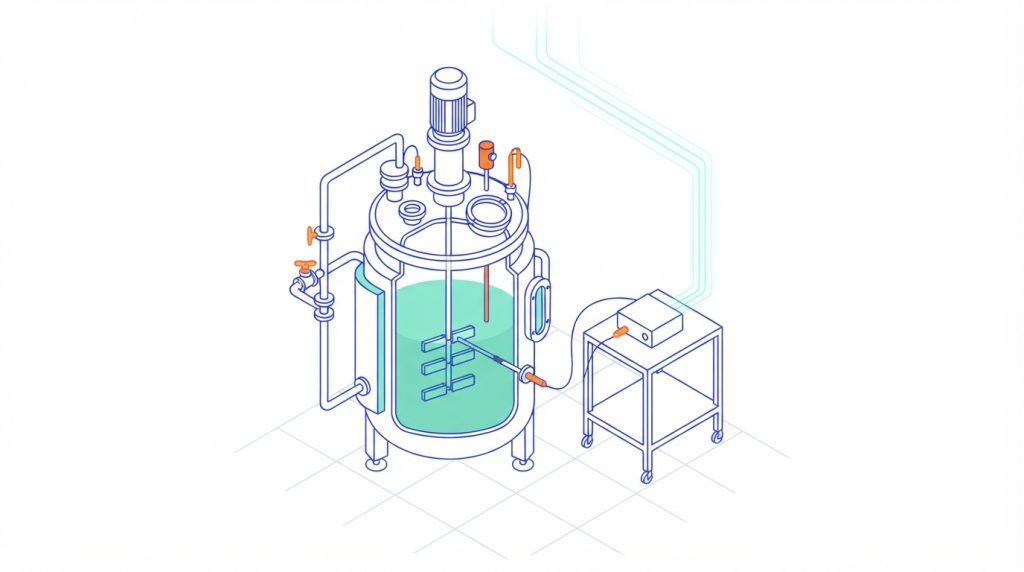
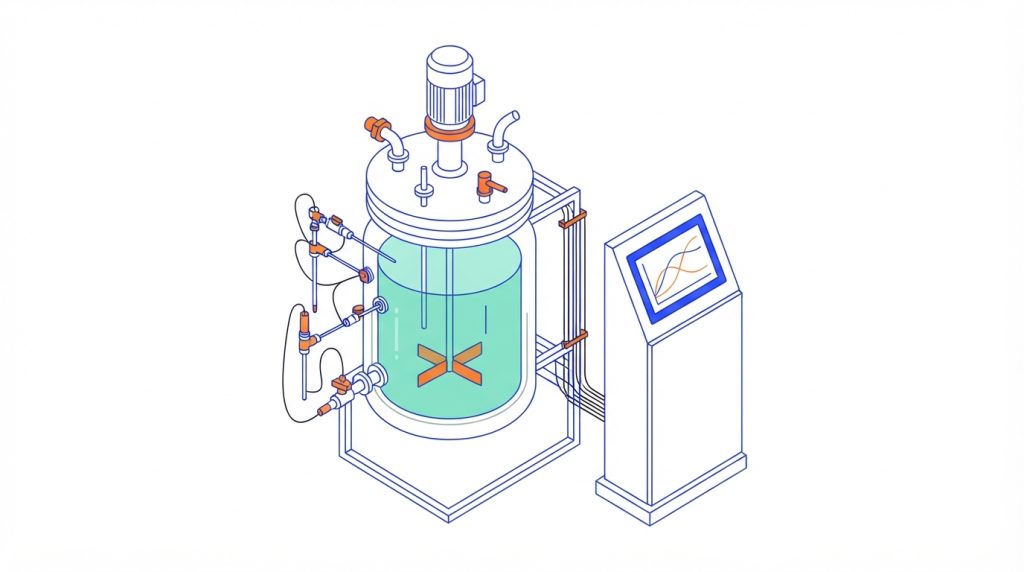
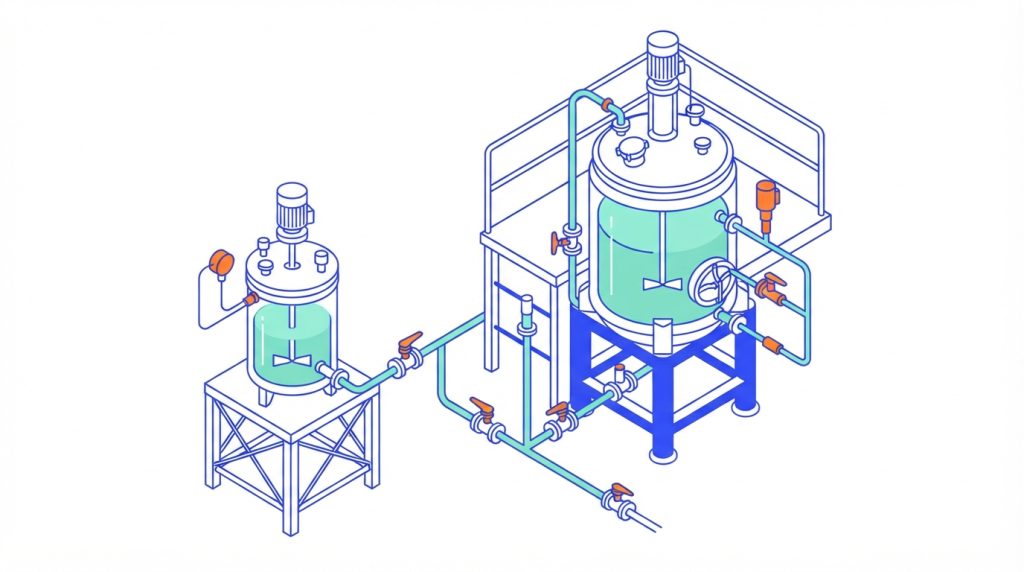
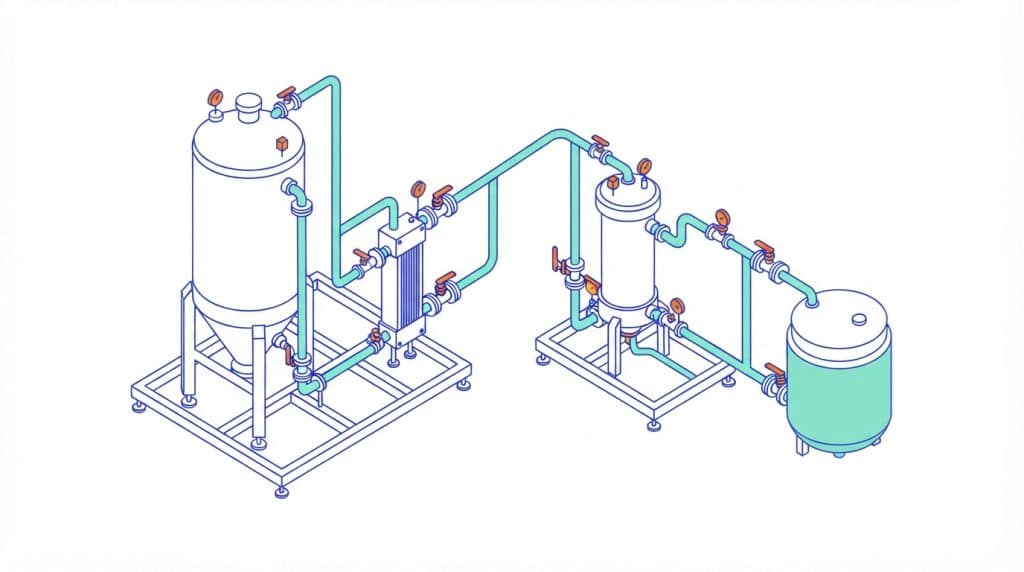
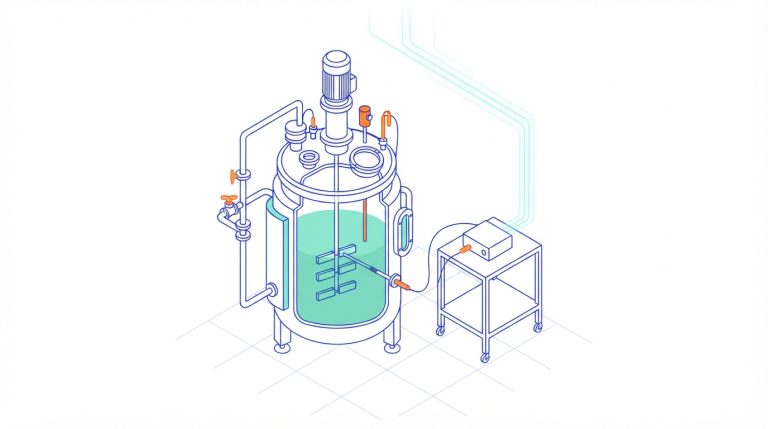 Field reportAI in bioprocessing, explained: what actually runs in a plant, what does not, and how it is validated
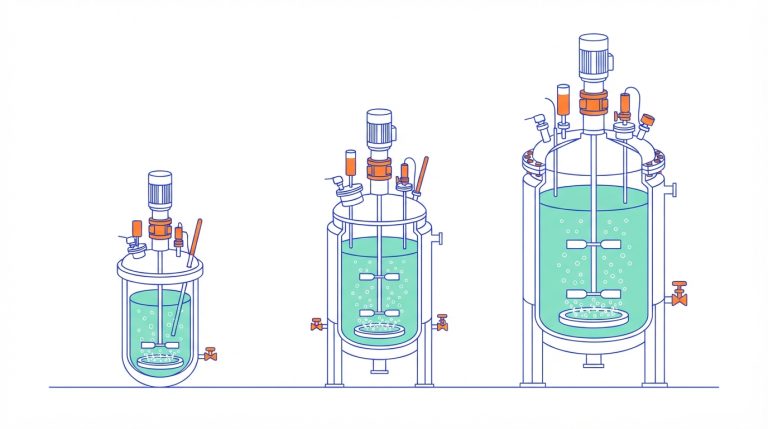 Field reportBioreactor scale-up, explained: P/V, tip speed, kLa, vvm and mixing time, and why none of them holds on its own