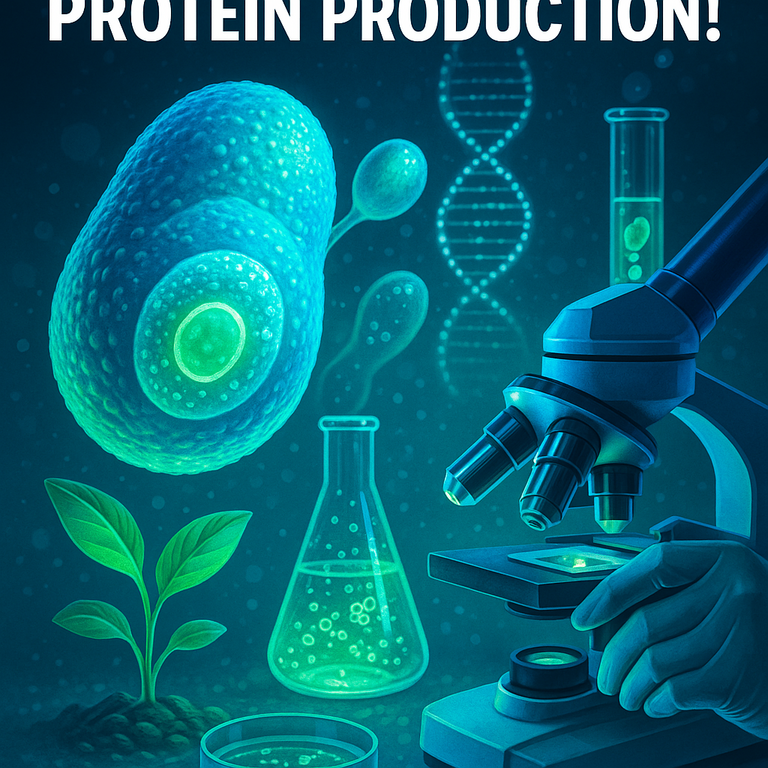
💰 It offers higher yields and lower costs, using lactose as the primary energy source.
🔬 Researchers at Imperial College London found it produced erythropoietin and green fluorescent protein effectively.
🔄 This yeast could revolutionize biopharmaceutical manufacturing, promoting sustainability and affordability.
Introduction:
The article discusses the potential of the yeast *Kluyveromyces lactis* (K. lactis) to significantly enhance cell-free protein synthesis (CFPS), presenting a cost-effective and sustainable alternative for biopharmaceutical manufacturing. This represents an important development as the industry aims for more environmentally friendly practices.
- *K. lactis* can achieve protein yields that are three to four times greater than those obtained from the widely used *Pichia pastoris* (P. pastoris) CFPS systems.
- The yeast utilizes lactose as its sole carbon source, which is both low-cost and metabolized effectively under aerobic conditions.
- Research led by Dr. Karen M. Polizzi demonstrated optimal conditions for synthesizing erythropoietin (EPO) and green fluorescent protein (deGFP) at 30°C.
- Homogenization time was found to significantly influence protein yields, with an optimal duration of up to six minutes for certain conditions.
- The use of lactose not only supports cell growth but also enhances CFPS productivity, positioning *K. lactis* as a feasible candidate for producing various proteins beyond just antibodies and enzymes.
Conclusion:
The findings highlight *K. lactis* as a promising candidate in the realm of sustainable biopharmaceutical production, demonstrating improved yields and cost efficiency. This advancement could lead to more effective production methods, supporting broader applications of CFPS systems in the biotechnology sector. Future research may explore further optimization of growth conditions and the potential benefits of lactose in storage and cryopreservation of protein extracts.