Why do lactate and ammonia build up in cell culture?
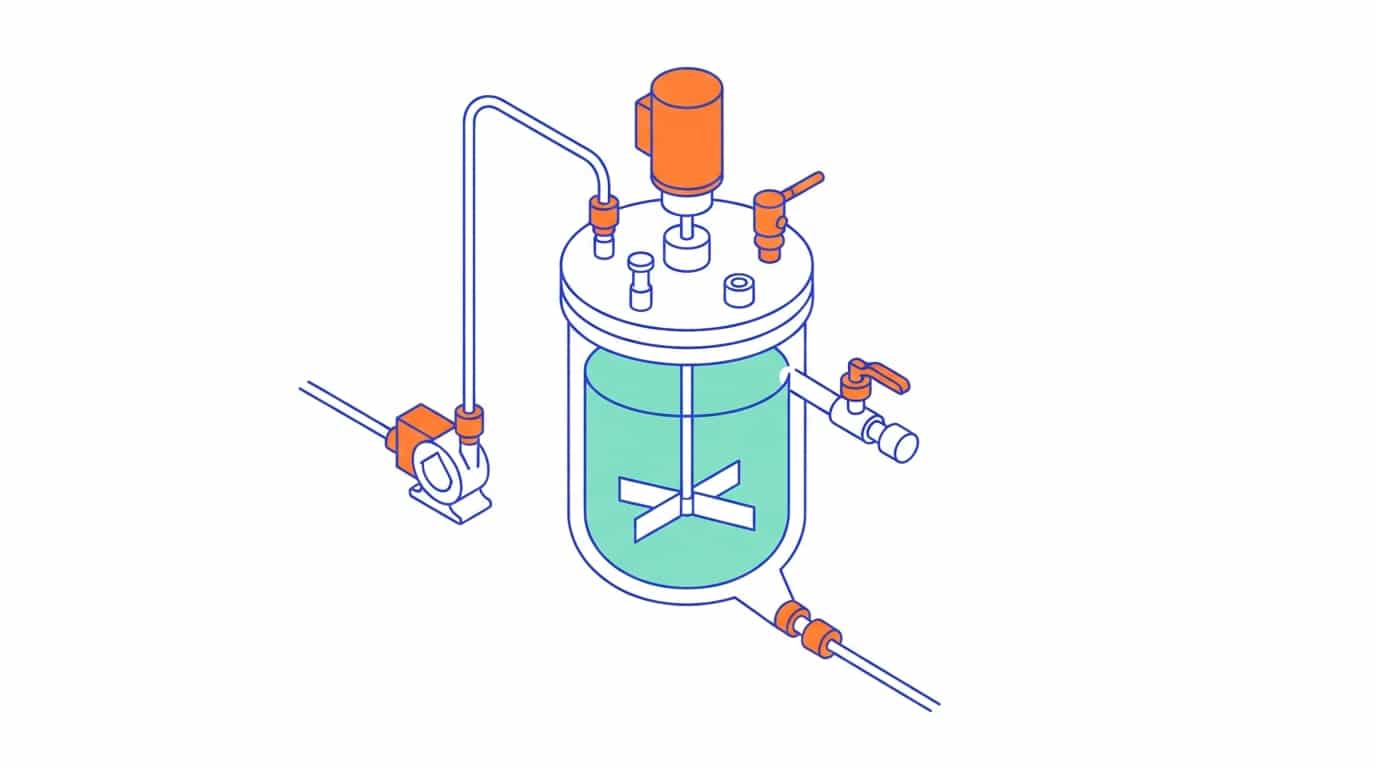
Cells excrete lactate and ammonium as they metabolise their feed. Past a point they slow growth and shift antibody quality. Continuous feeding can keep them lower.
 BIOT
Cells excrete lactate and ammonium as they metabolise their feed. Past a point they slow growth and shift antibody quality. Continuous feeding can keep them lower.
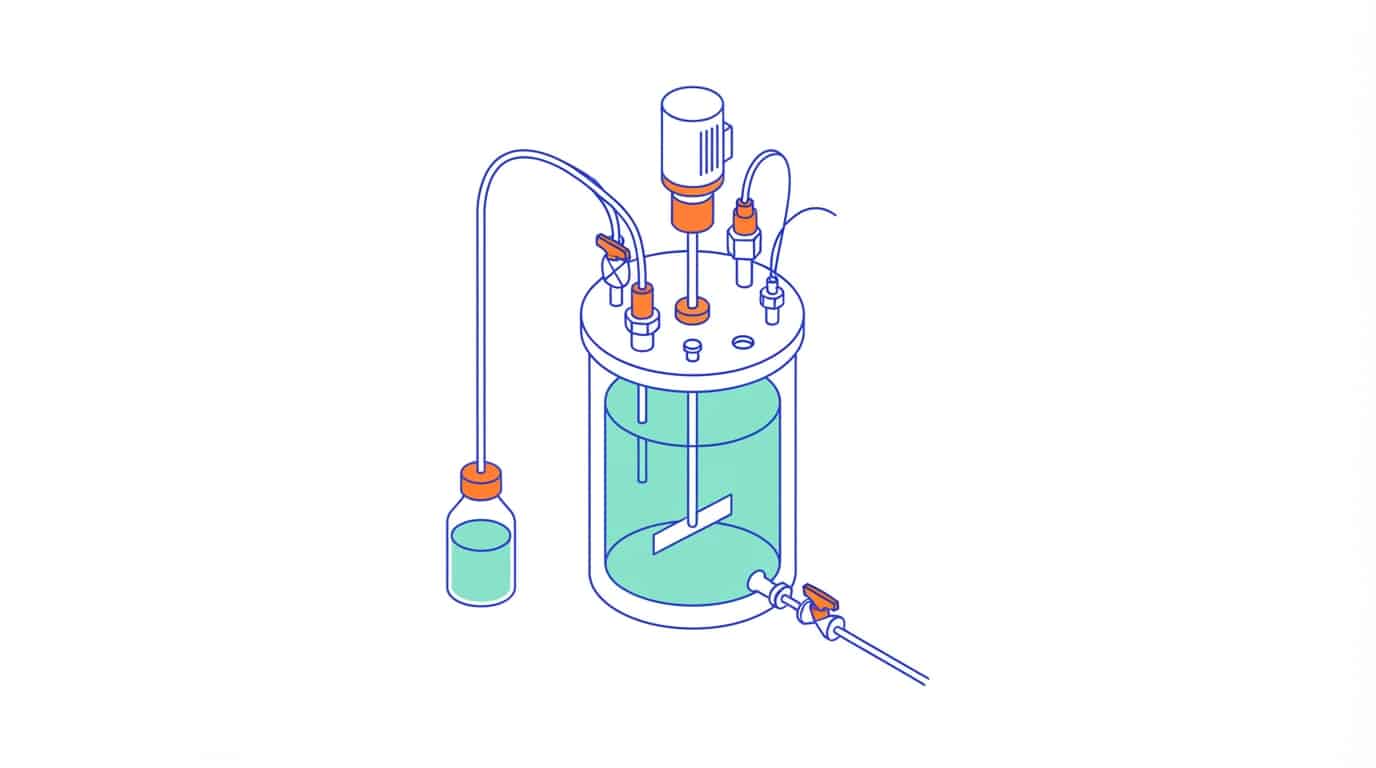
Cell culture medium is the food and water of a CHO culture. A batch runs out of key nutrients, so plants add concentrated feeds to keep cells alive and productive.
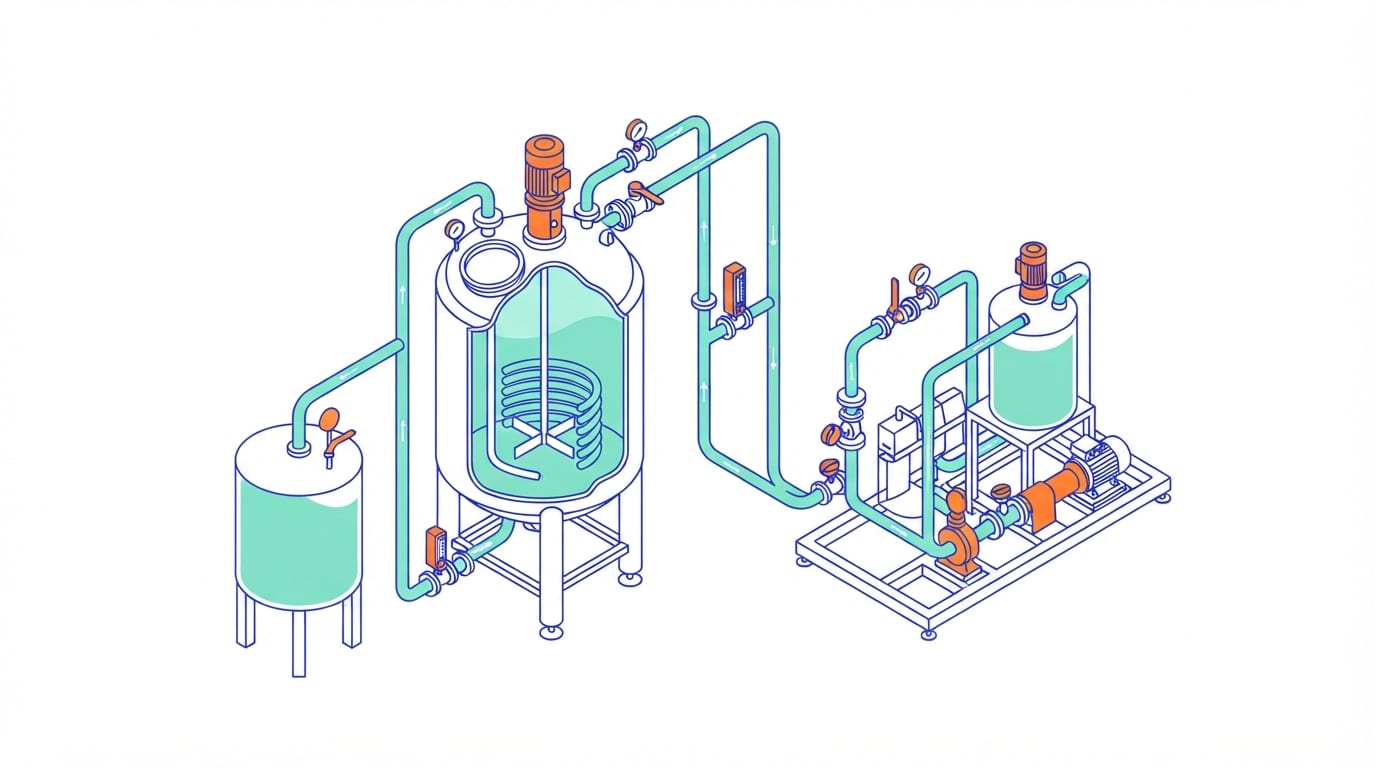
A Nanjing Forestry University team engineered Pichia pastoris to turn methanol into D-lactic acid, reaching 12.05 g/L in fed-batch. Only the abstract was available to us.
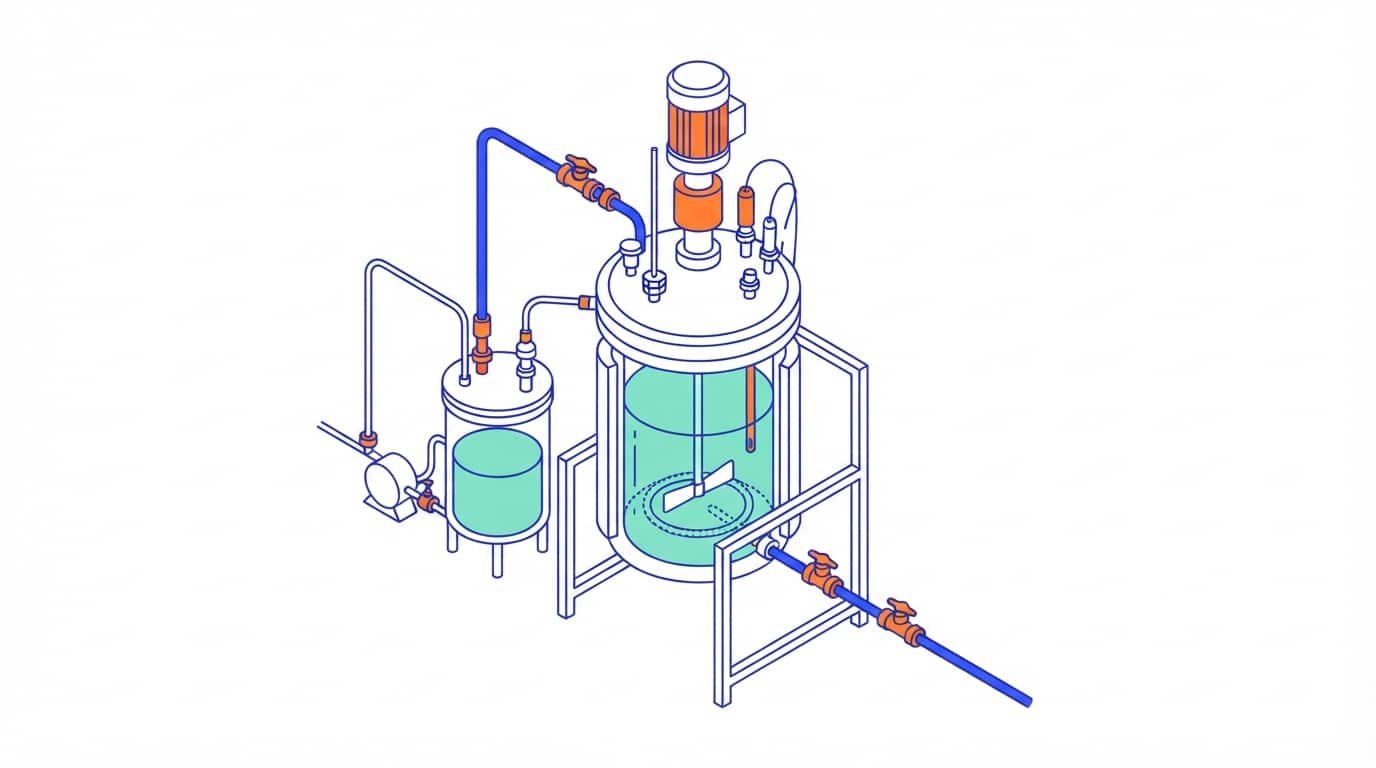
Three ways to run a culture: fill and wait, fill and keep feeding, or feed and harvest at the same time. What changes in the tank, and what a plant weighs.
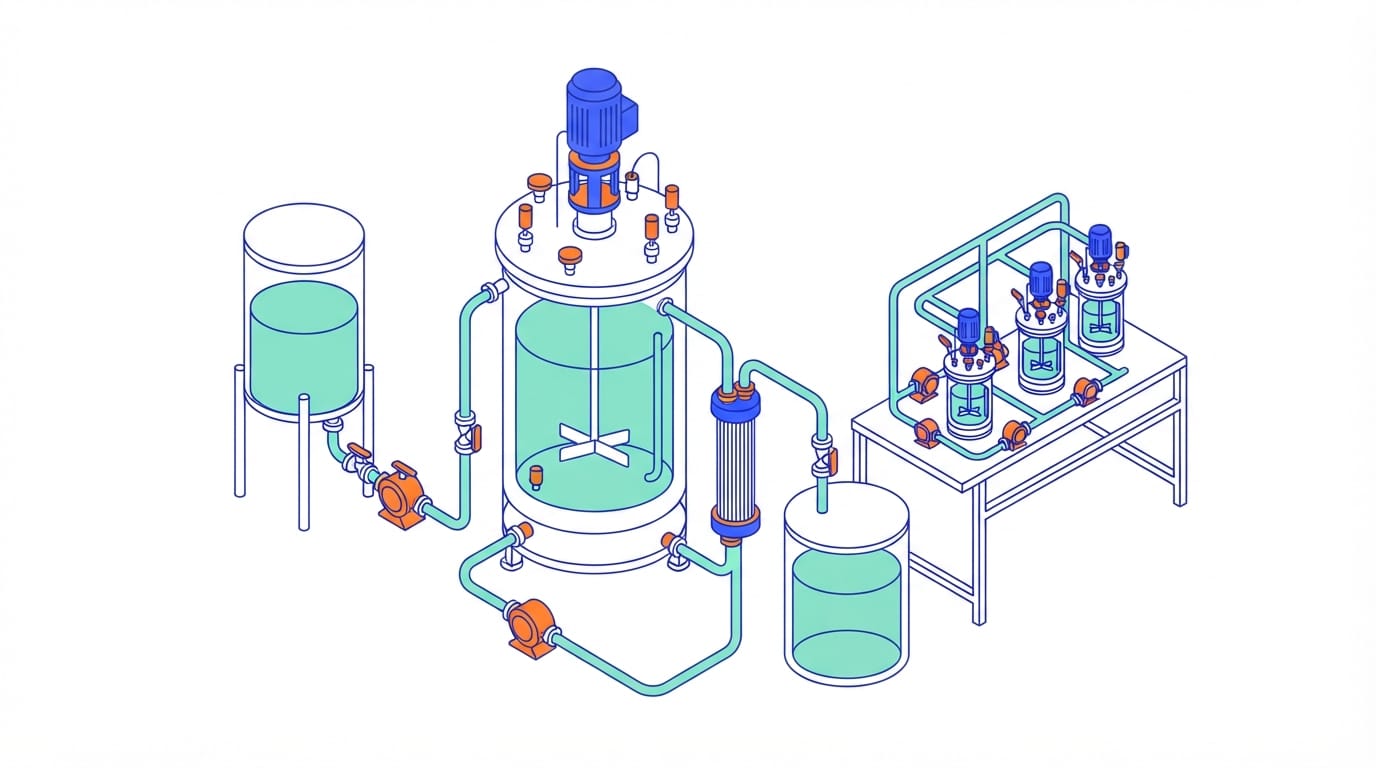
A Biotechnology and Bioengineering paper reports adenovirus upstream productivity of 3 x 10^12 virus particles per mL using perfusion culture and commercially accessible materials.
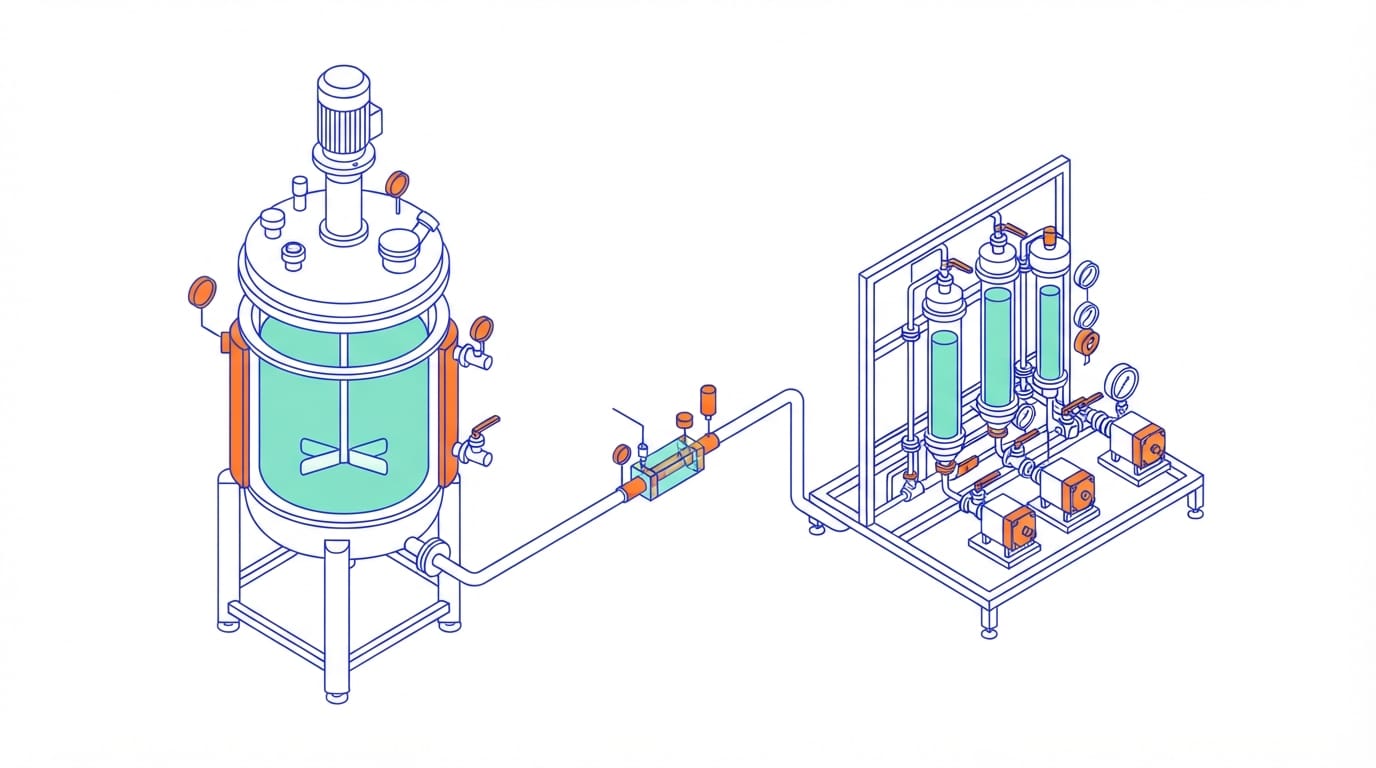
A Purdue University paper in Analytical Chemistry applies quantum cascade laser mid-infrared spectroscopy to AAV9 samples to estimate capsid concentration and the share of non-empty capsids.
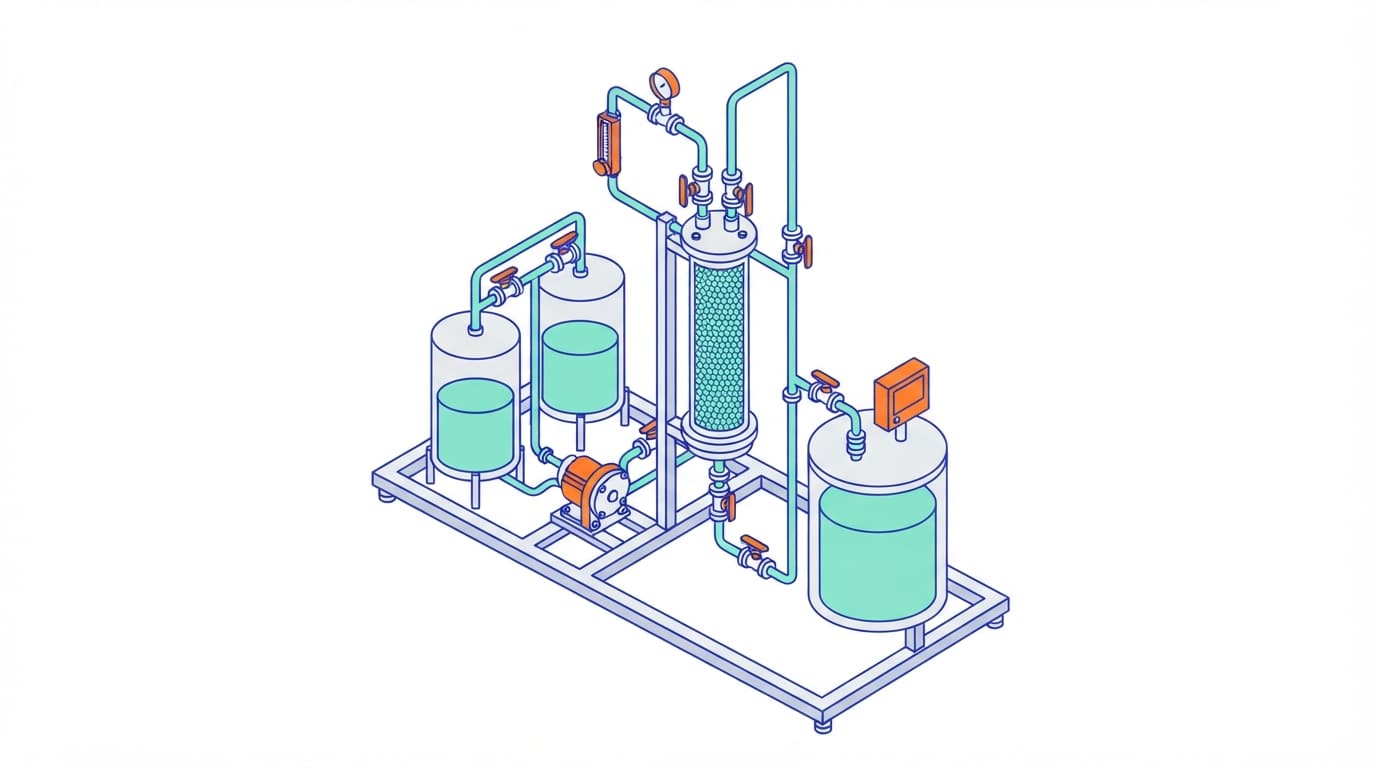
A Tosoh Bioscience paper describes one hydrophobic interaction chromatography step that purifies a 20-mer DNA oligonucleotide and removes its DMT cap, with 96.9% recovery in the abstract.
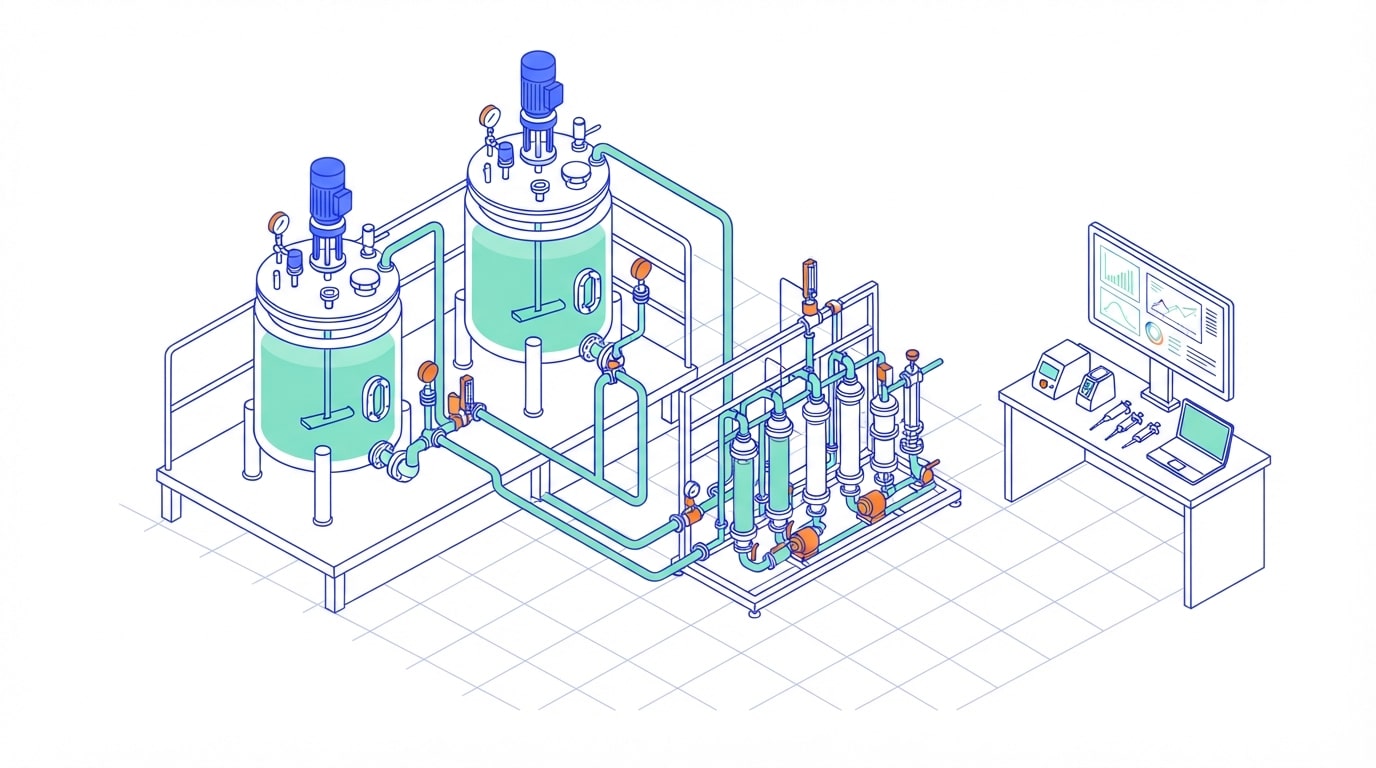
A Research Square preprint builds a modular digital twin of dual-AAV manufacturing and delivery, and reports that titre-only release did not predict function. All work is computational.
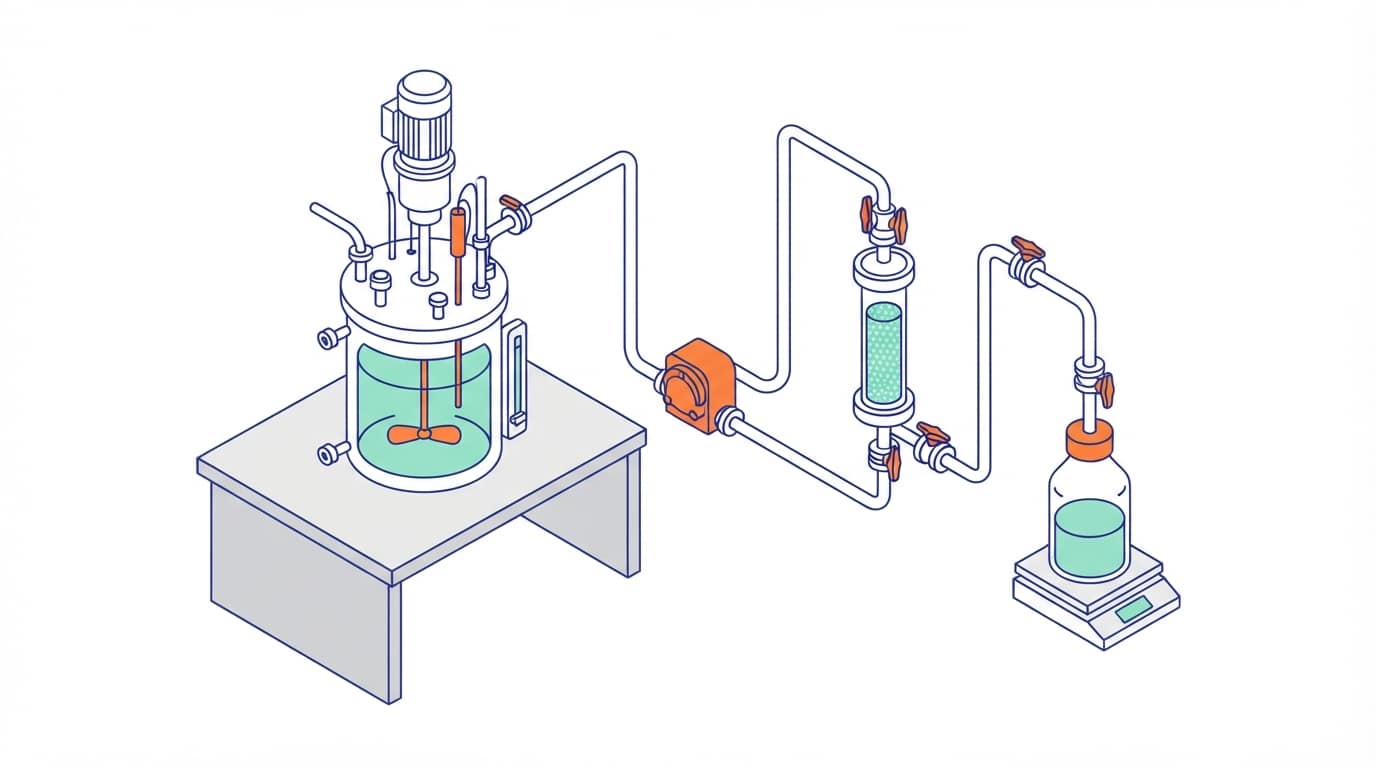
A KRIBB-led paper reports a 5-L fed-batch E. coli workflow for a soybean clock protein. The native gene gave no detectable expression; the codon-optimized gene did.
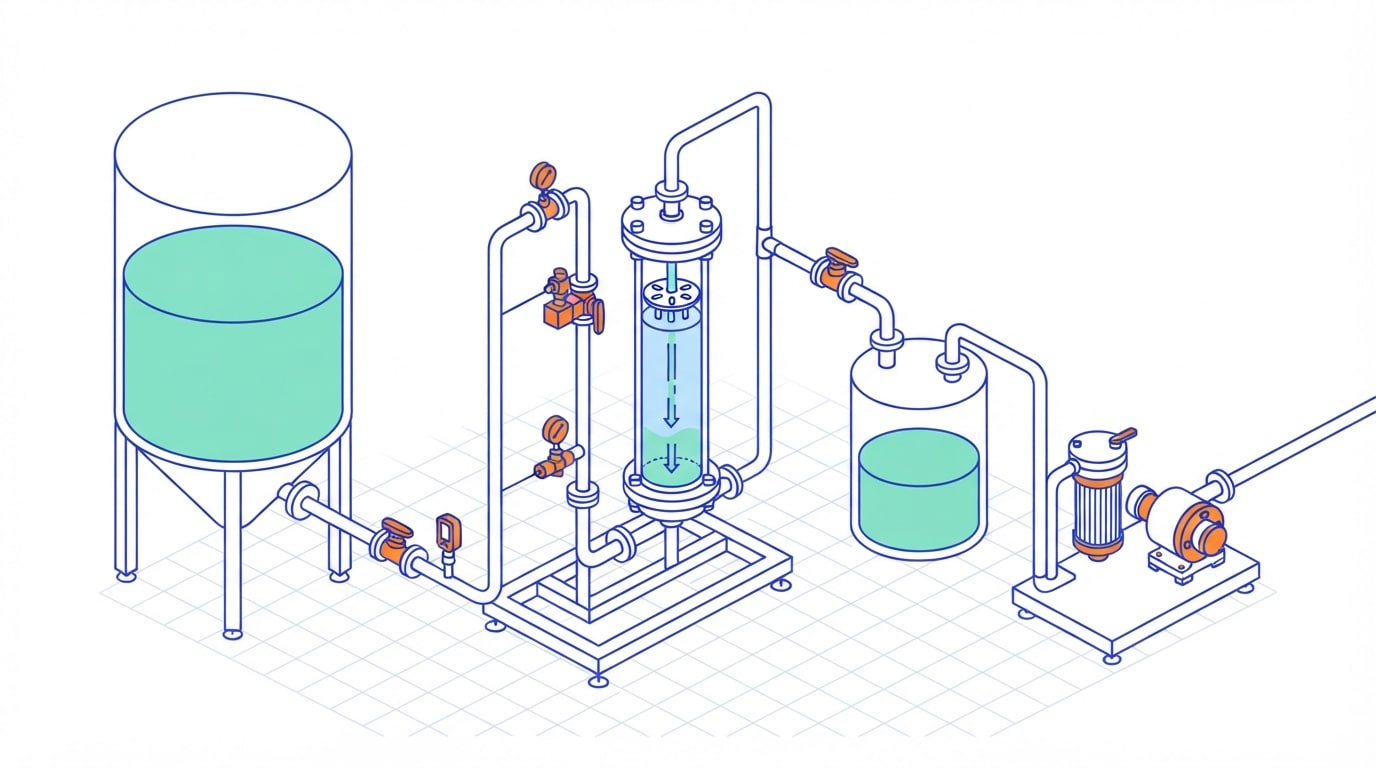
A Biotechnology and Bioengineering paper from NC State University and co-authors describes peptide resins that capture AAV from HEK293 lysate and enrich transducing capsids in one step.