What is a cell bank in biomanufacturing?
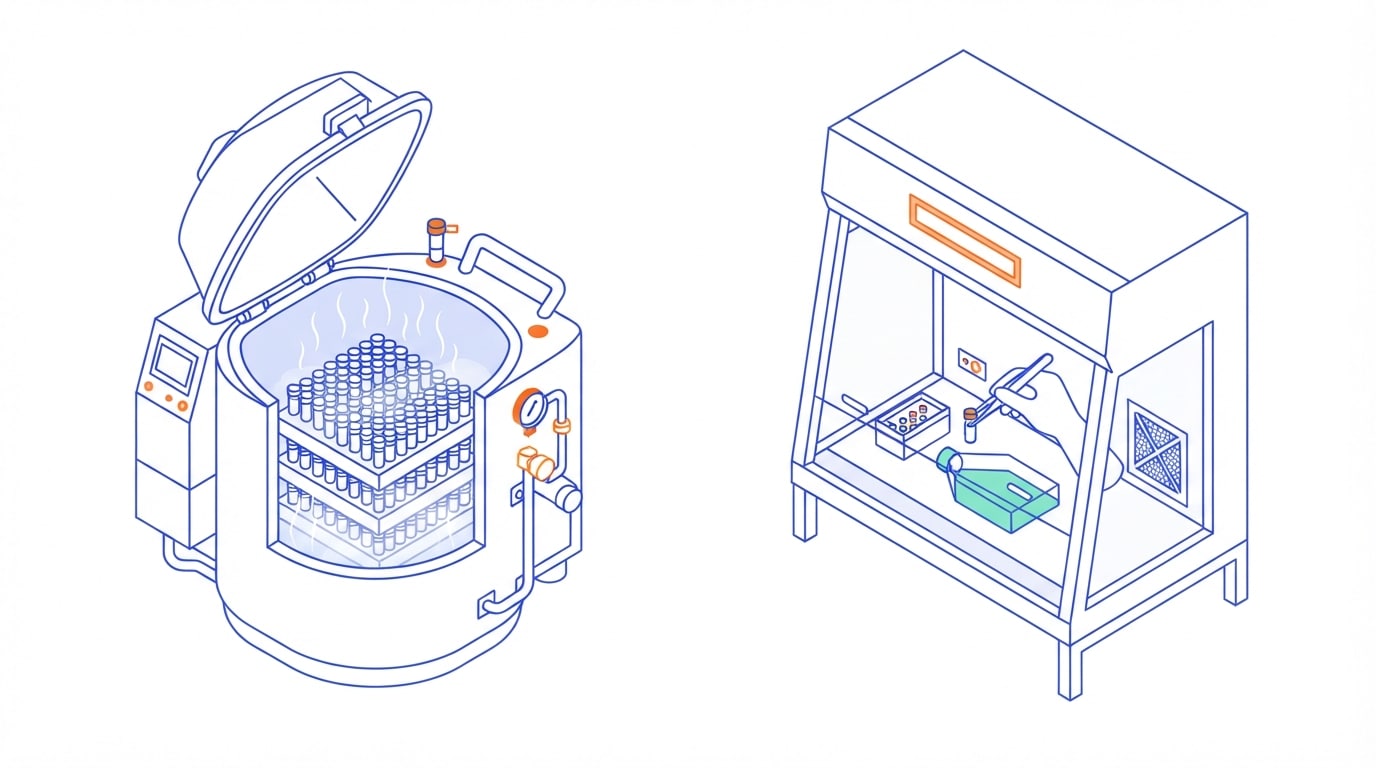
A cell bank is a tested stock of identical cells frozen in many vials, so every production batch starts from the same source. Here is how master and working banks are made and checked.
 BIOT
A cell bank is a tested stock of identical cells frozen in many vials, so every production batch starts from the same source. Here is how master and working banks are made and checked.
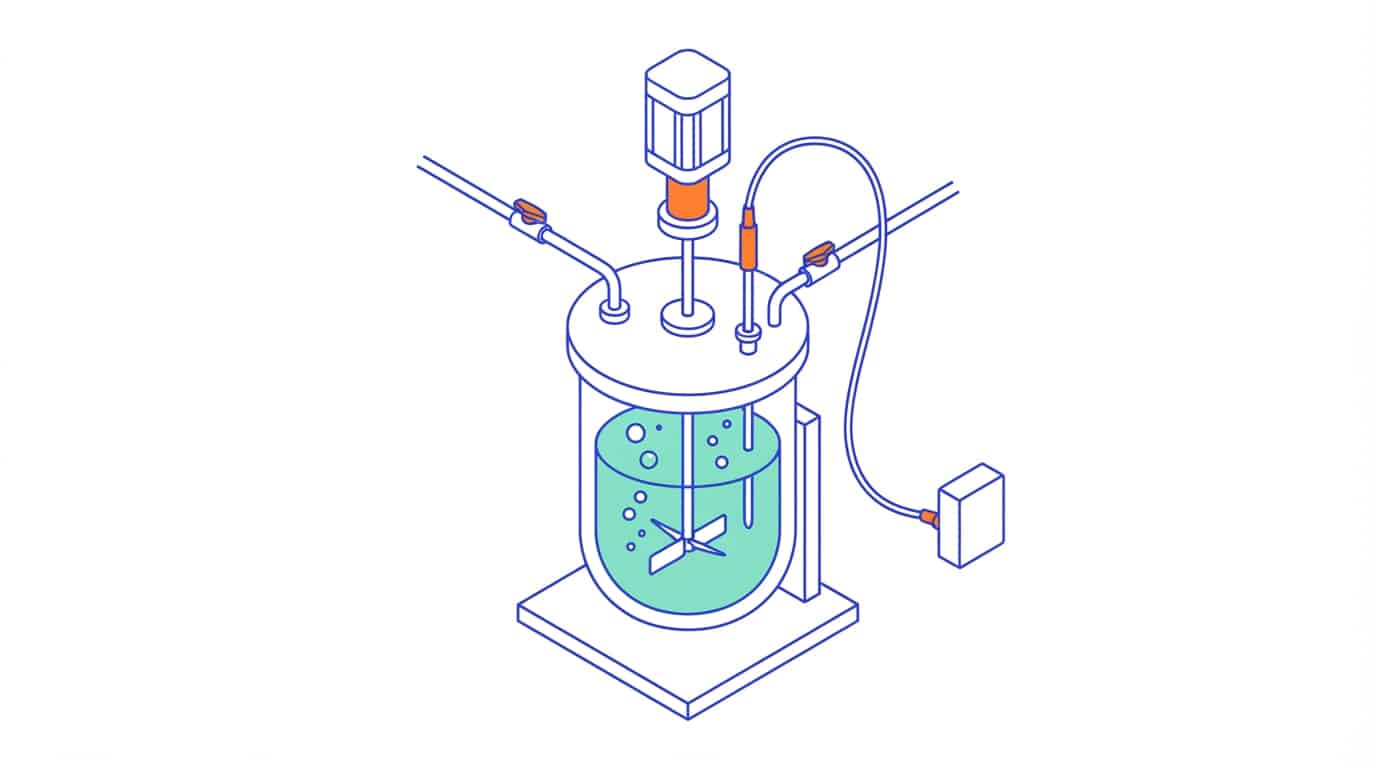
PAT means measuring a process while it runs, so you can steer it in real time instead of only testing the product at the end. Raman probes in bioreactors are a common example.
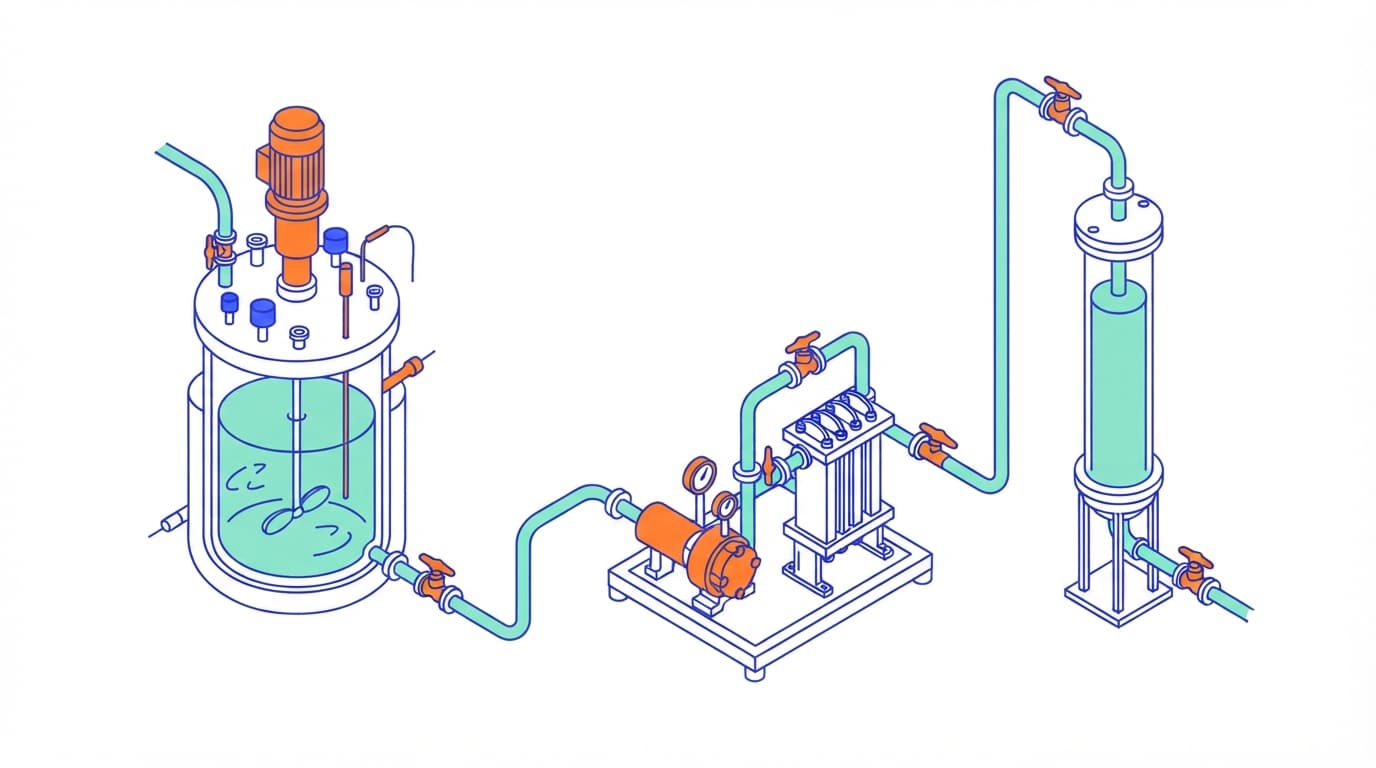
Precision fermentation uses engineered microbes in a closed tank to make one specific ingredient, such as a milk protein. Here is how it works and how it differs from traditional fermentation.
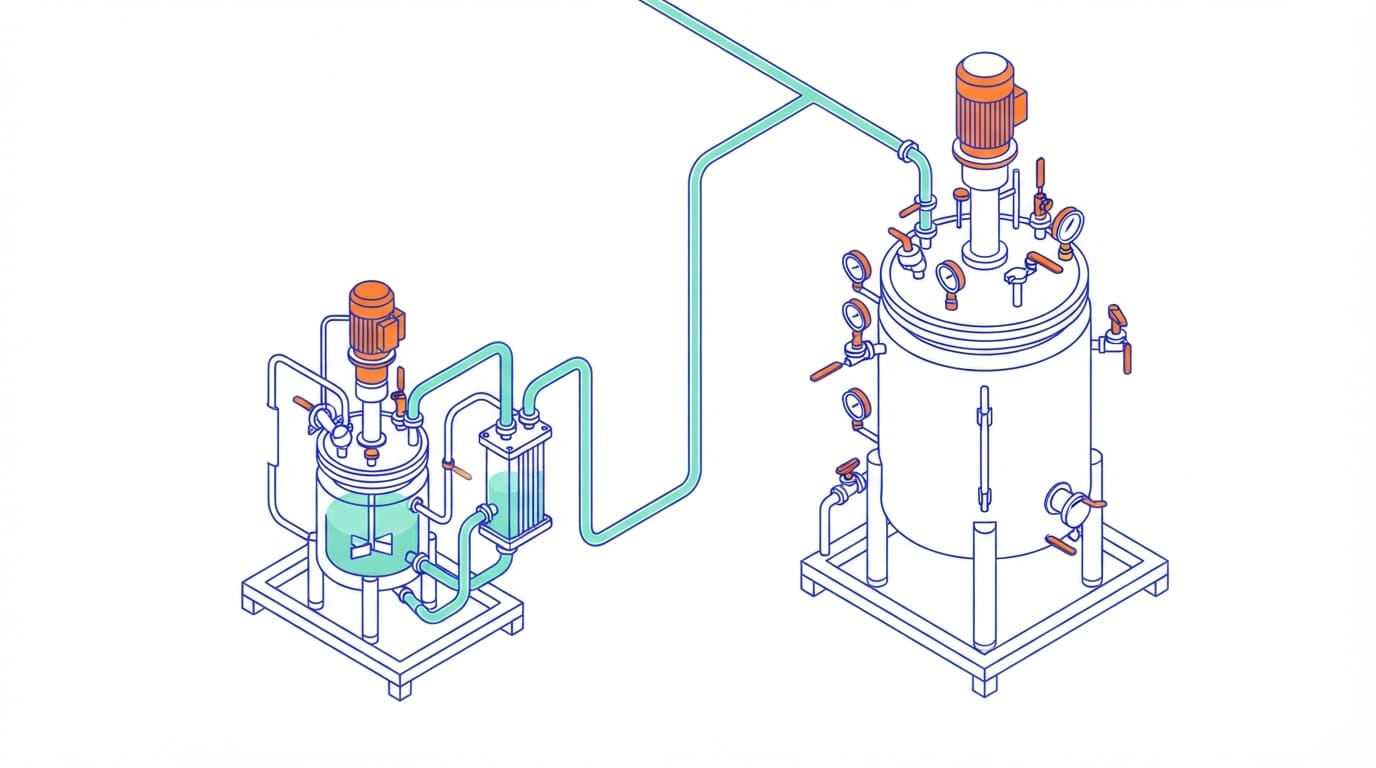
A Cytotechnology paper combines one commercial feed medium with N-1 perfusion seeding for a CHO bispecific antibody process. Final titer was 9.4 g/L against 7.6 g/L for conventional fed-batch.
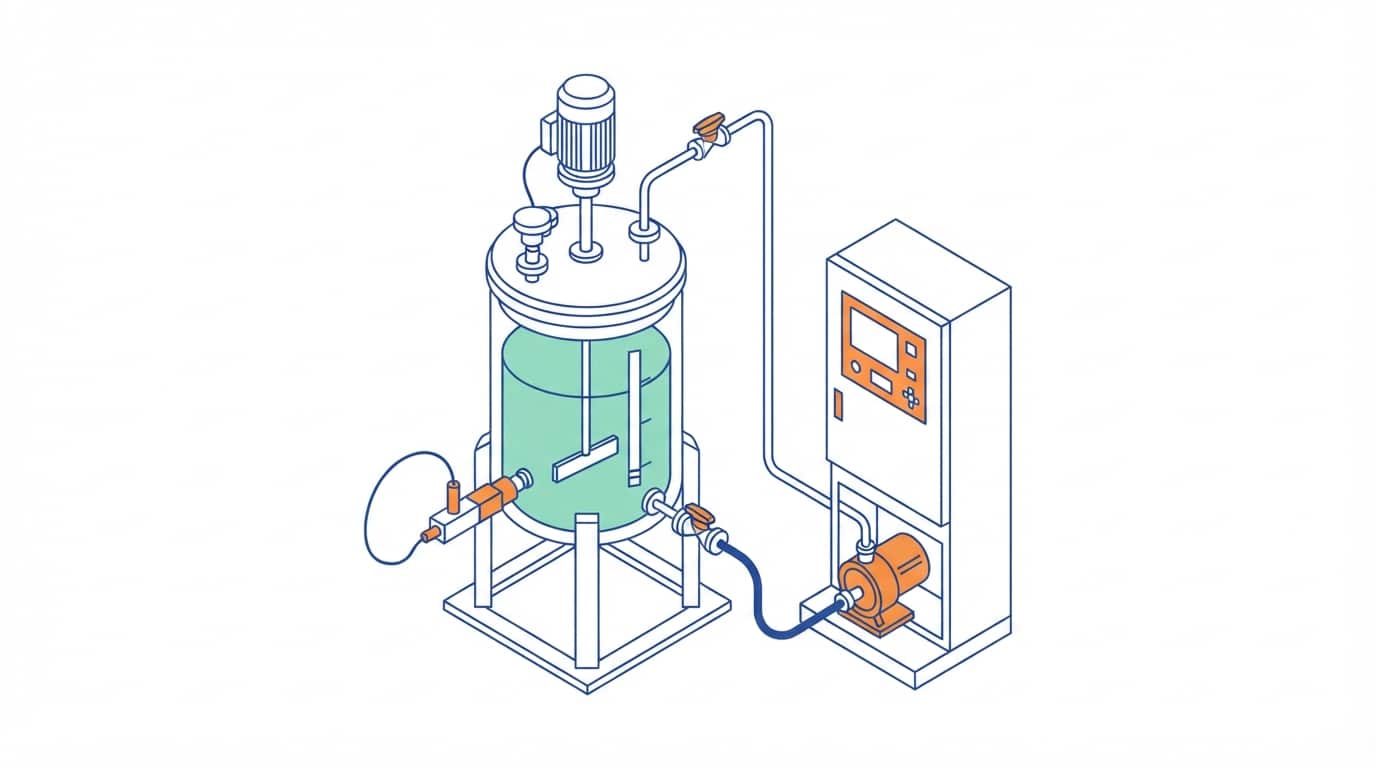
A Biotechnology and Bioengineering paper proposes recalibrating Raman chemometric models from the most recent, representative data instead of large historical datasets.
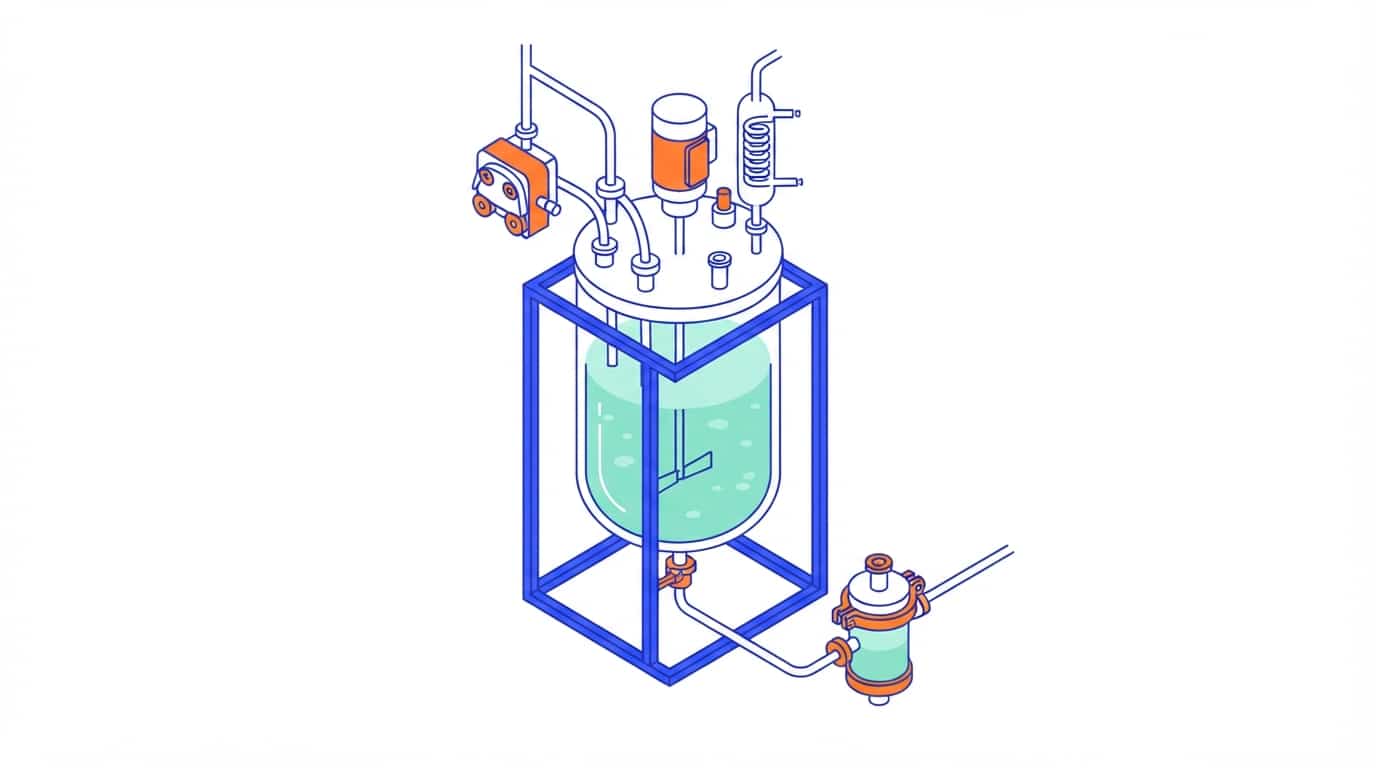
Chinese hamster ovary (CHO) cells are the most widely used mammalian cells for making recombinant proteins. Here is why plants choose them, and what they cost you.
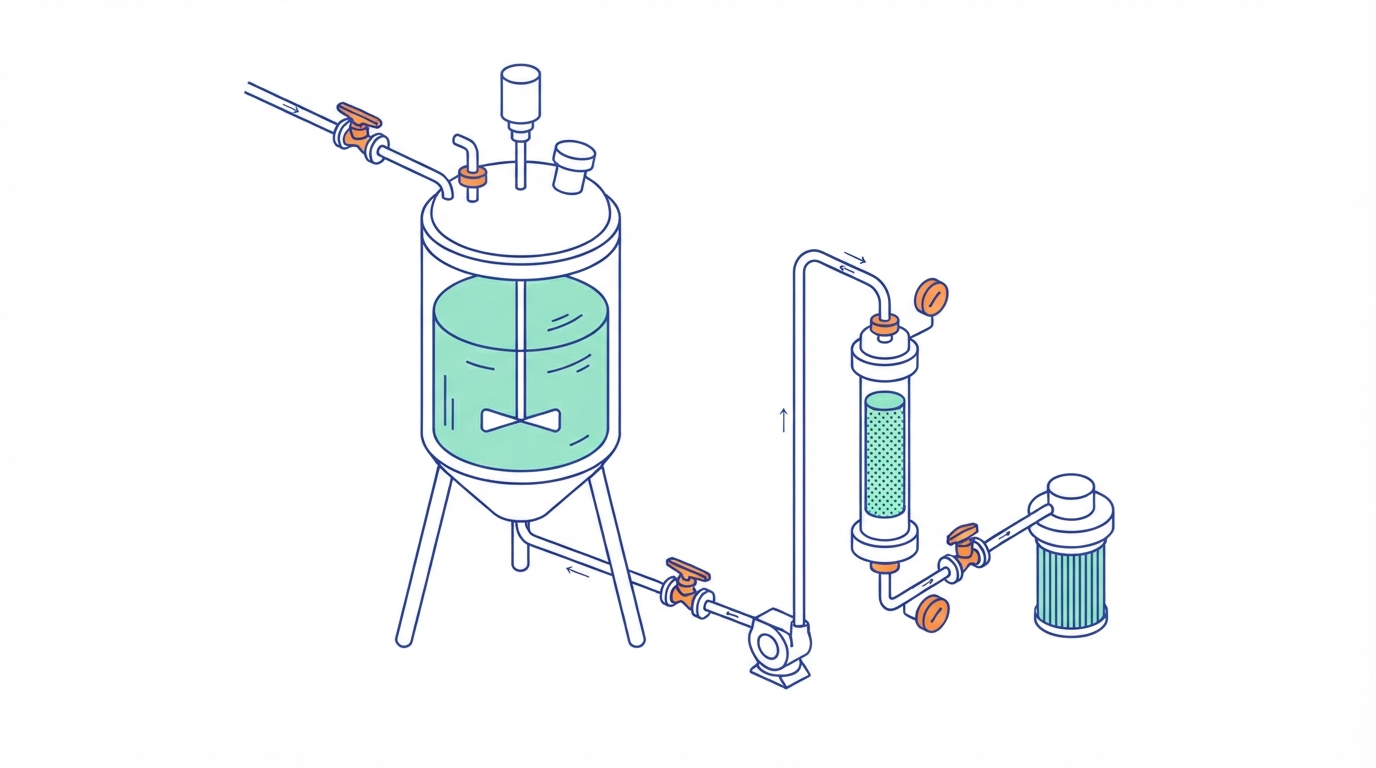
Upstream grows the cells that make the product. Downstream recovers and purifies it. Choices on both sides shape process cost.
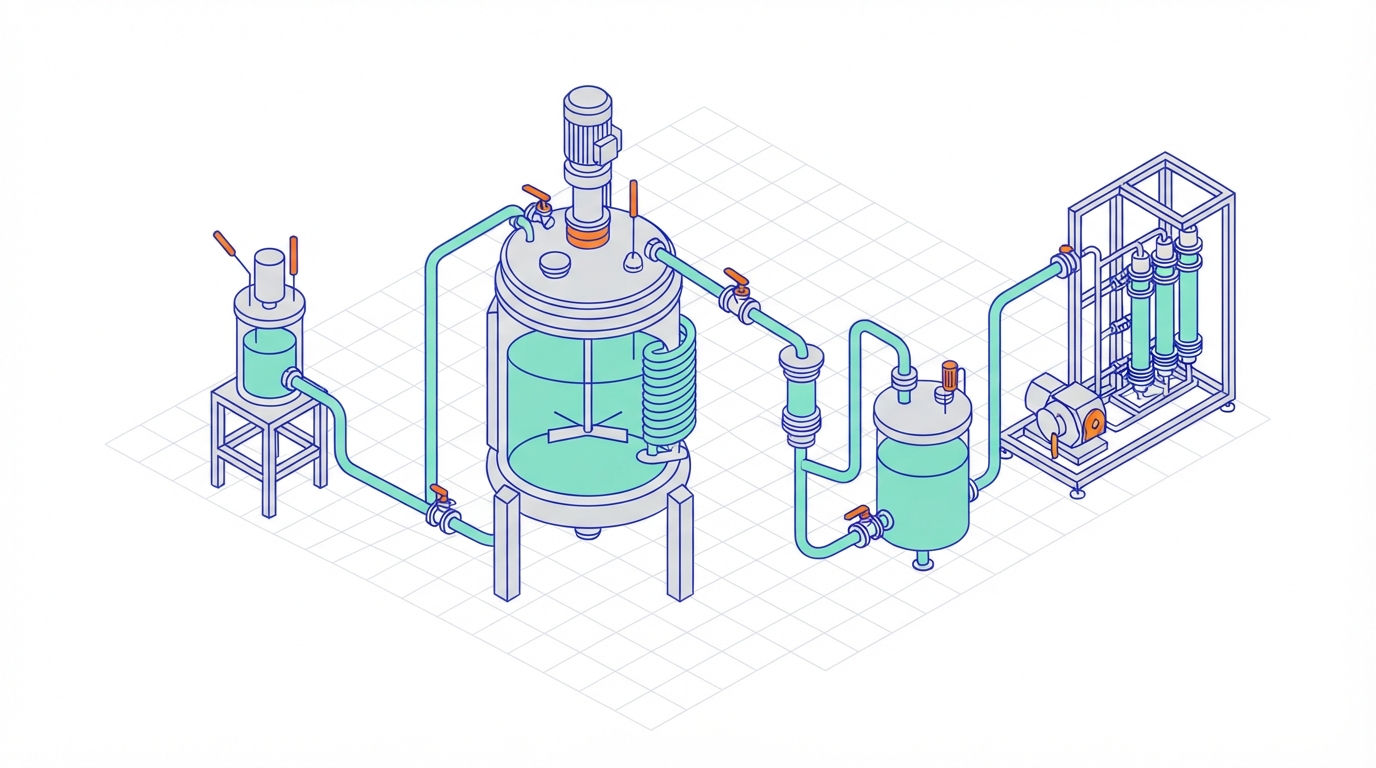
A Pharmaceutics paper from VIVEbiotech reports that mildly acidic culture and longer harvests raised lentiviral vector titers in a stable producer cell line platform.
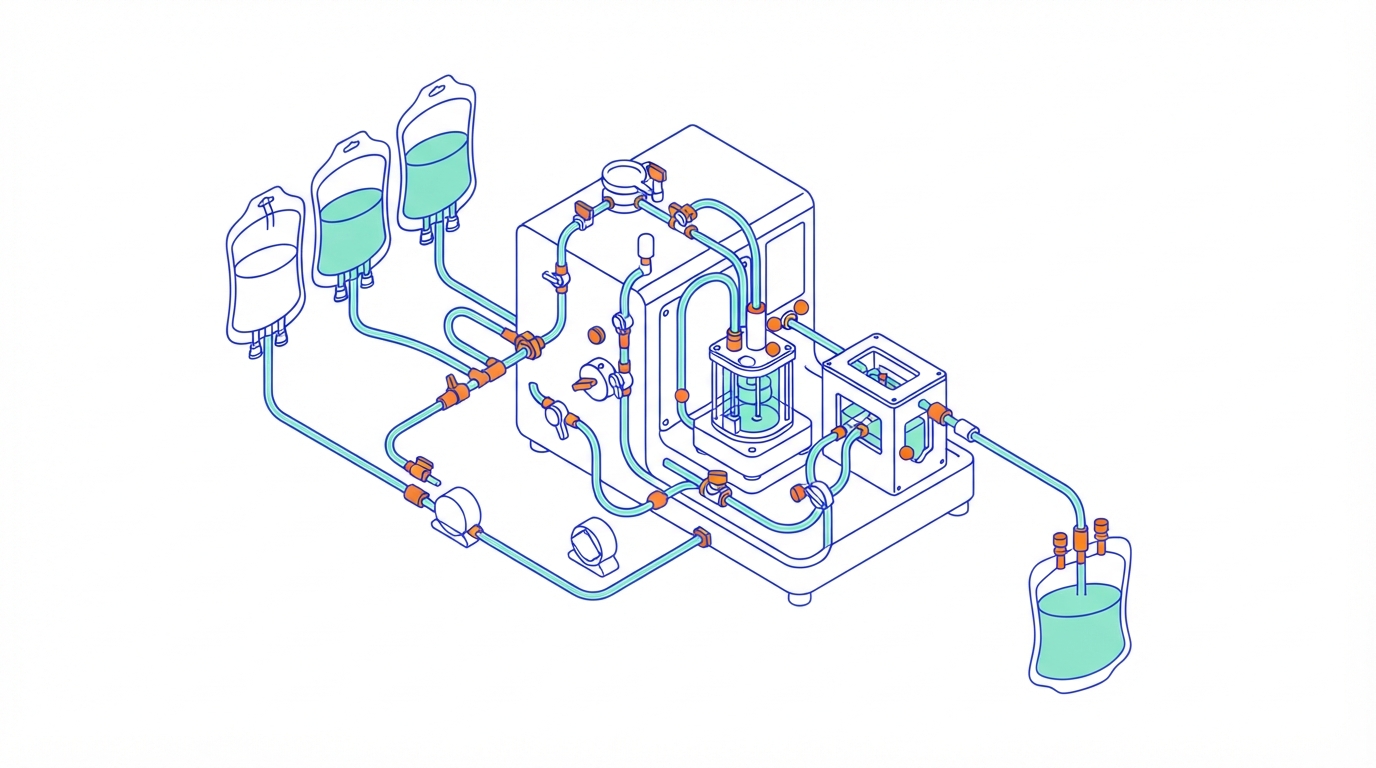
A Hamburg group reports three clinical-scale runs of an integrated, GMP-compliant process that adds lentiviral CAR transfer and CCR5 knockout in one automated platform.
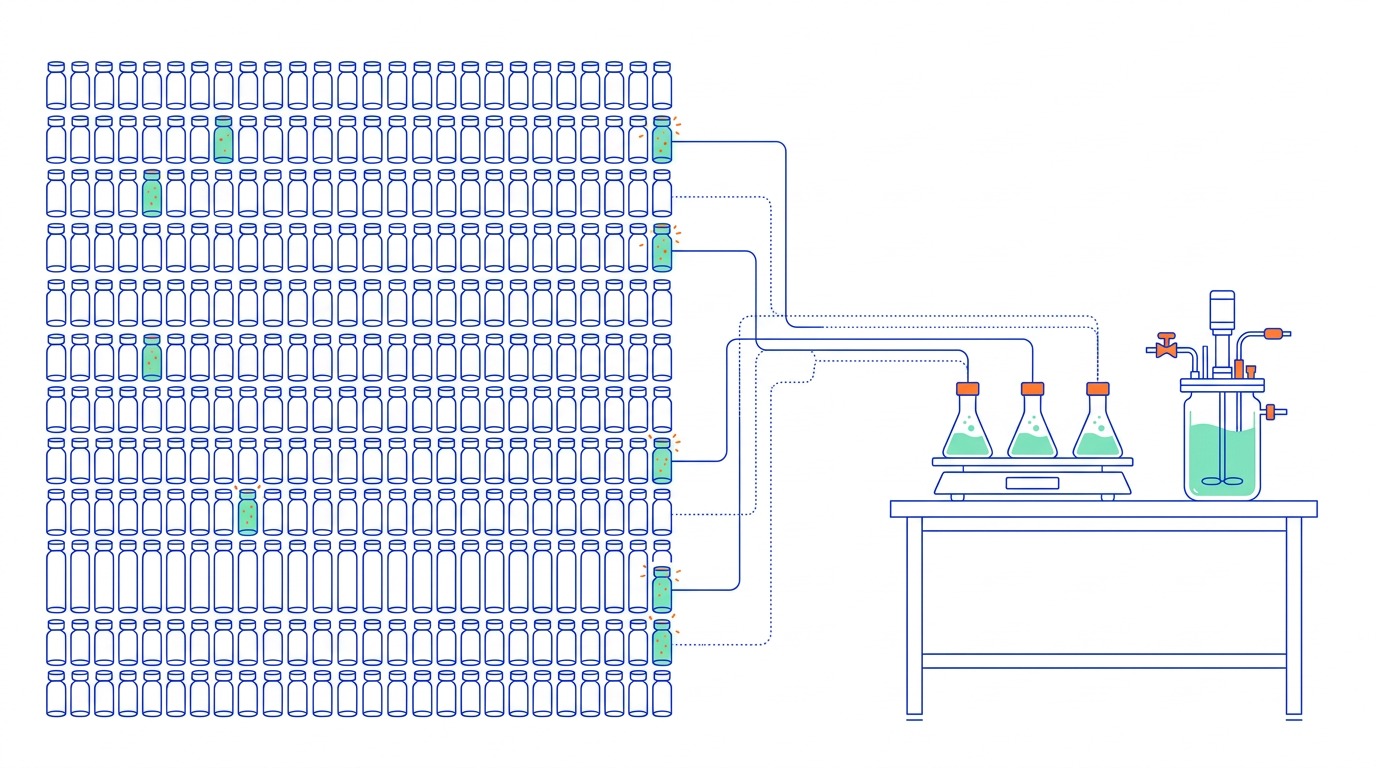
A preprint reports needing 2.5 to 7.1 times fewer designs to engineer a production strain with machine learning. We read it in full plus 40 other primary sources. The saving is in simulated designs: no strain was built. What machine learning has done with real lab data, and where the models break.