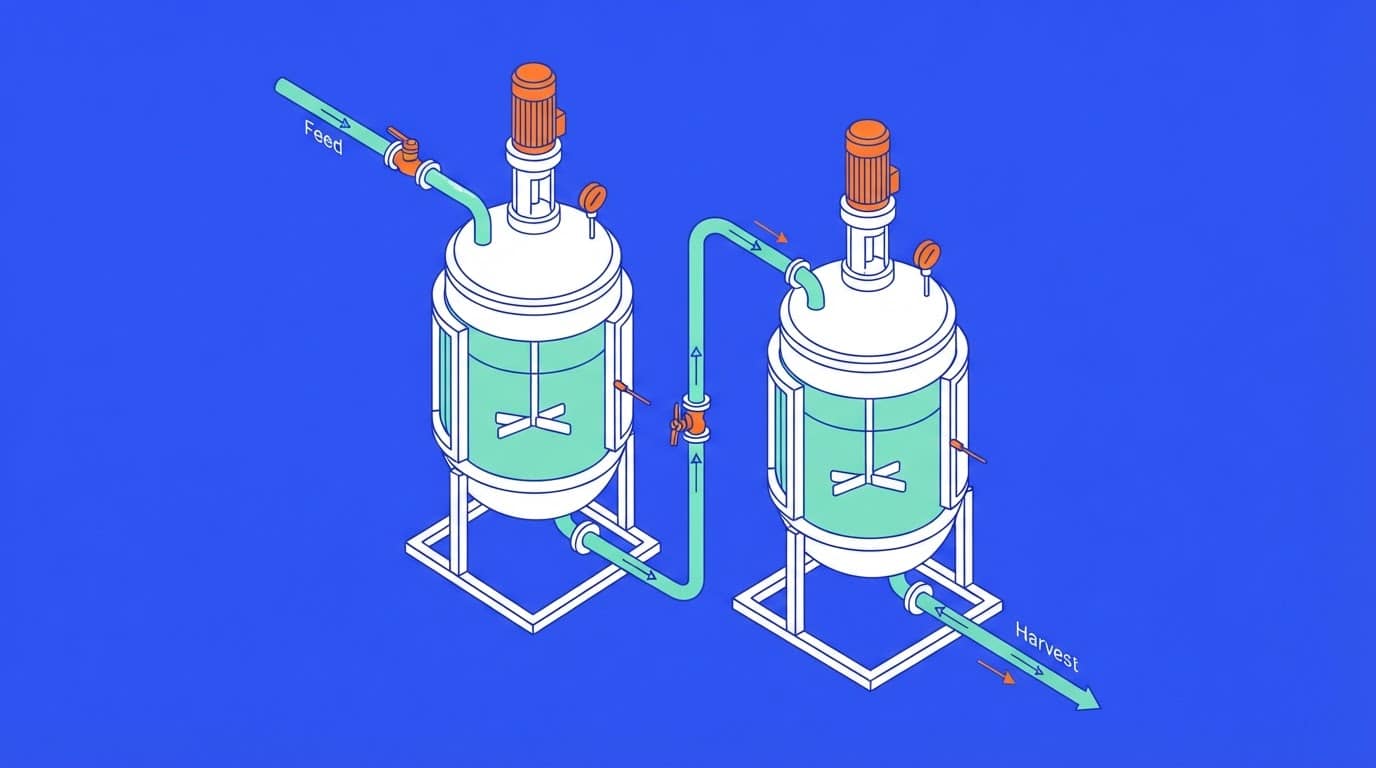
A seed-transfer digital twin for N-1 bioreactors in commercial antibody production
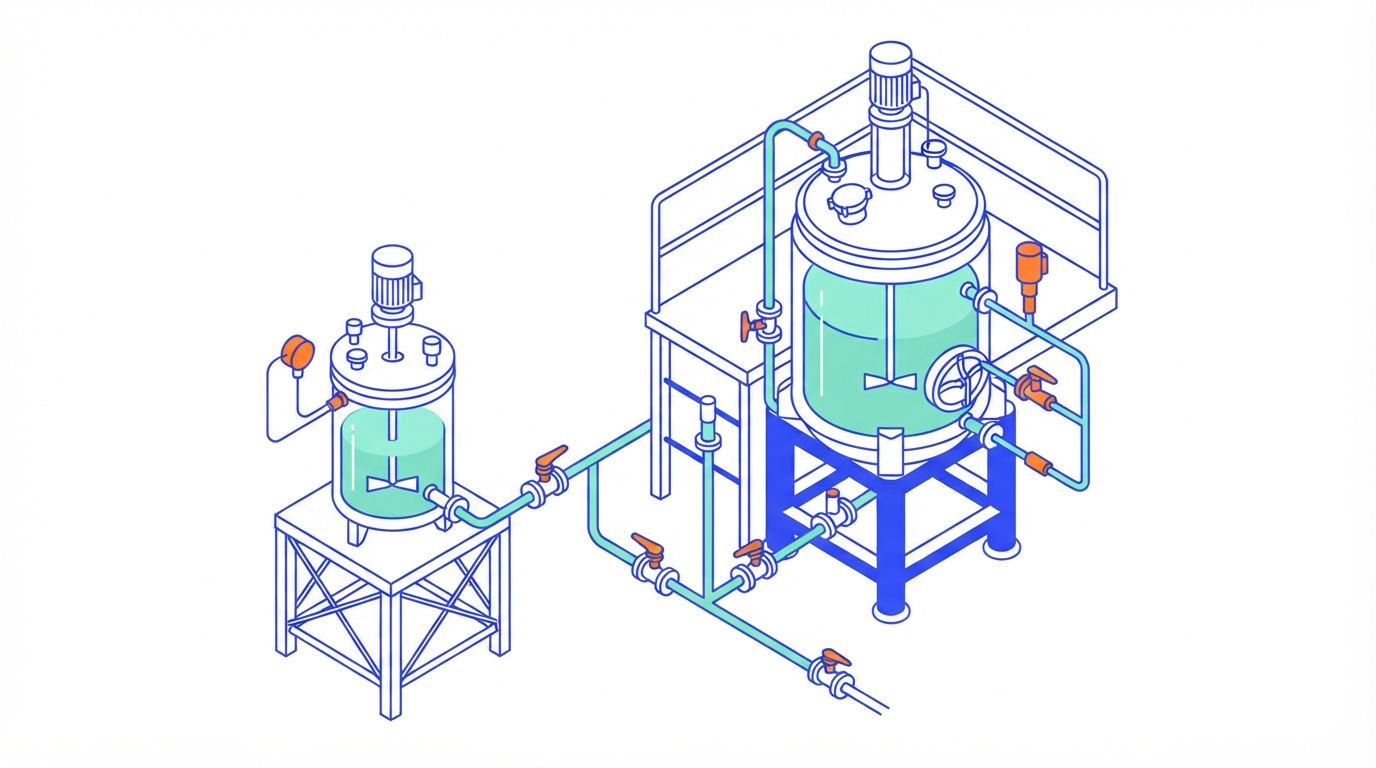
A Biotechnology and Bioengineering paper describes a digital twin that times the N-1 seed transfer for a commercial antibody process. Only the abstract was available.
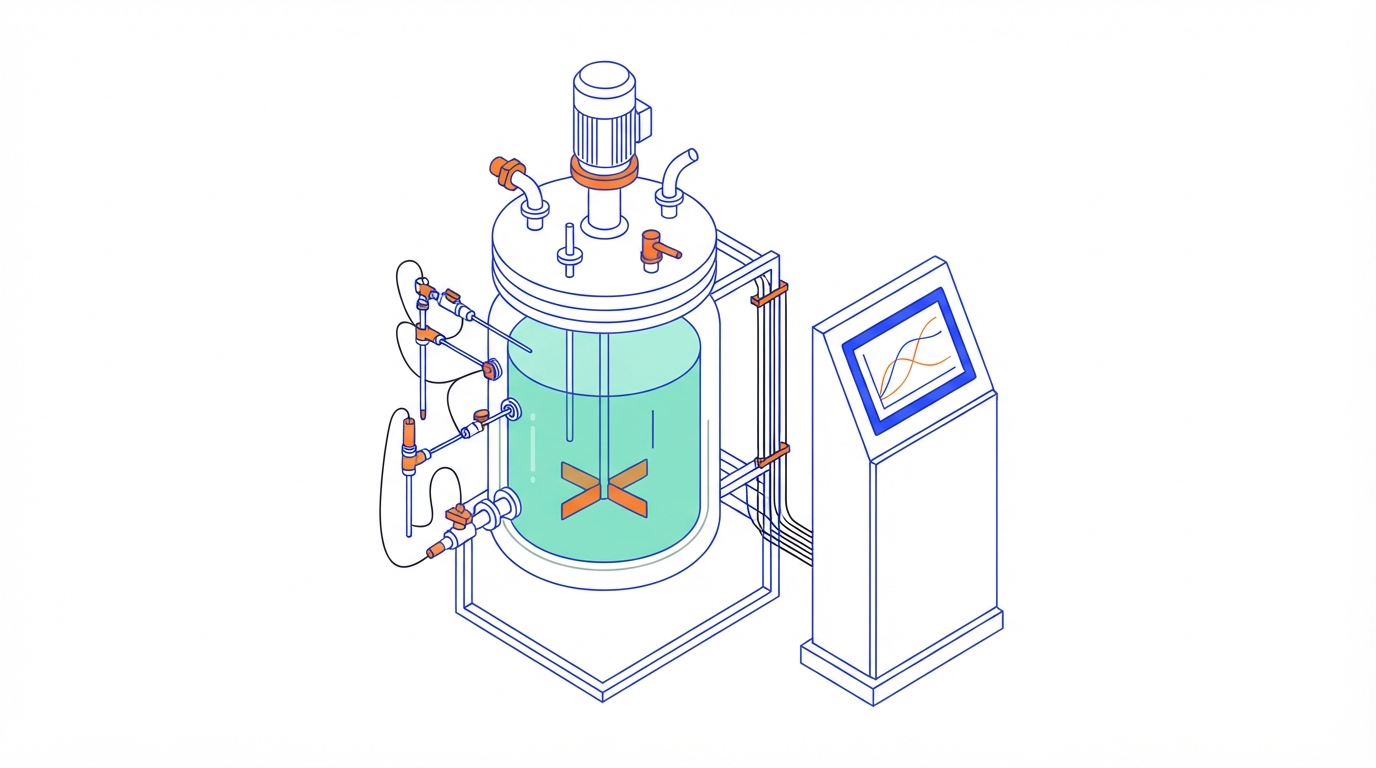
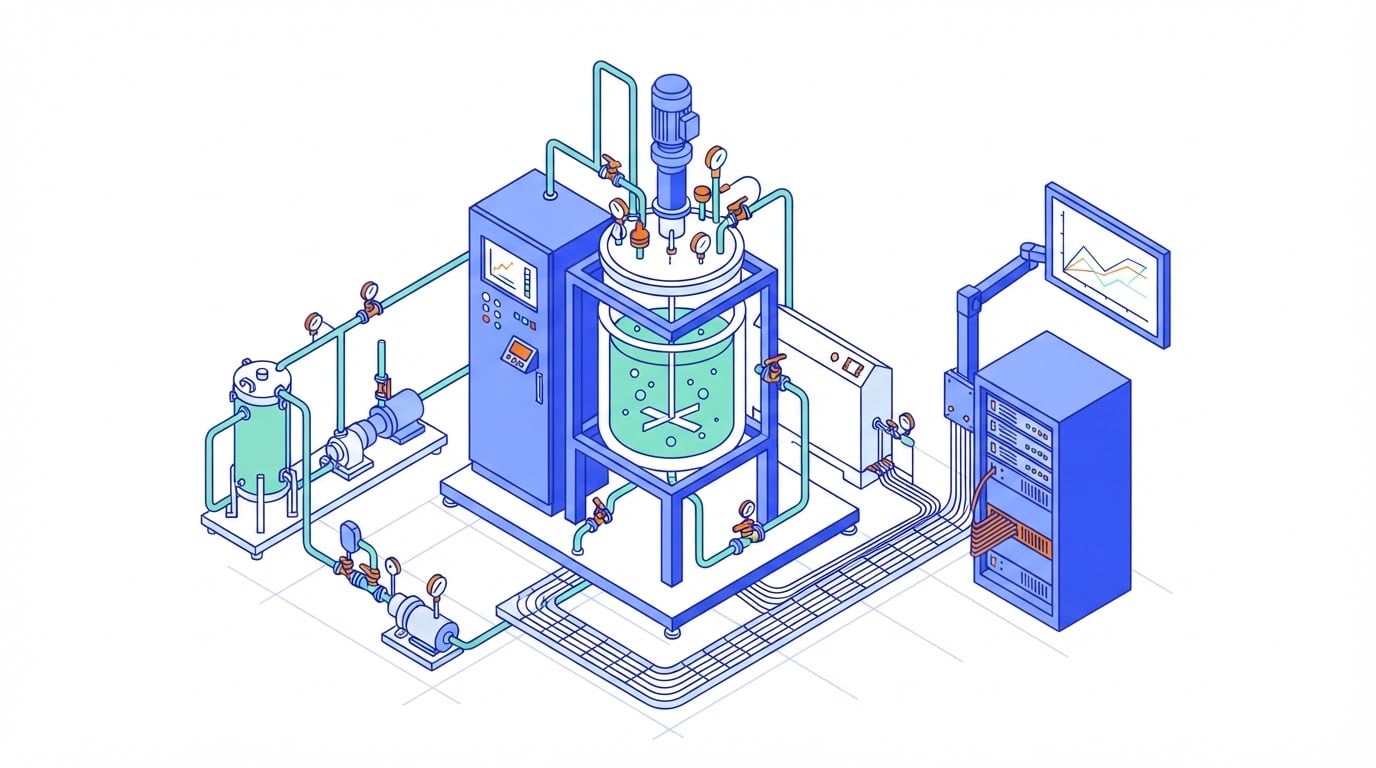
We read 43 primary sources. Raman tracks glucose well and titre poorly, capacitance counts cells until they stop growing and swell, models break when the cell line, scale or probe changes, and no regulator requires any of it.
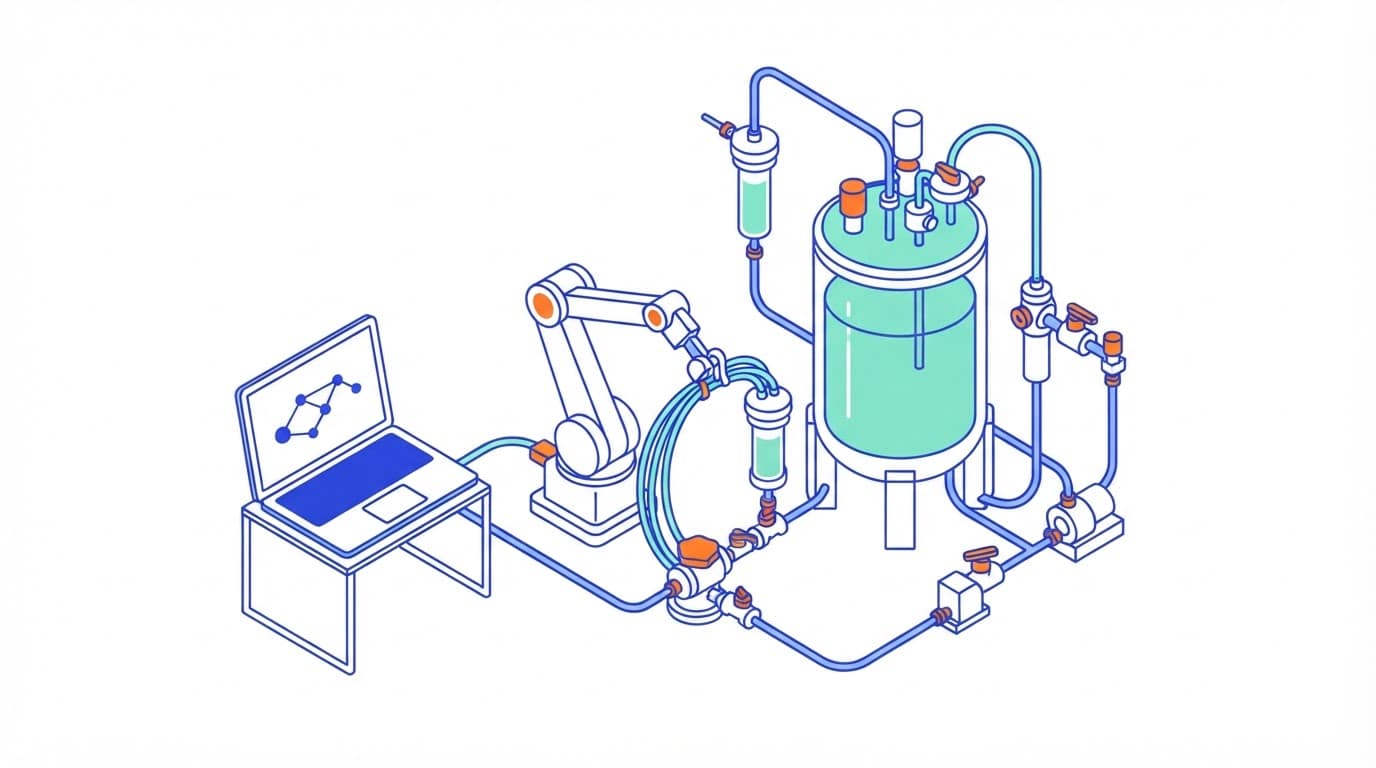
Two open reviews, from Bayer and Leibniz University Hannover, on what bioprocess automation covers today: data backbone, device standards, AI, and what is still manual.
WuXi says its Raman PAT tracks 40-plus attributes in real time. Every figure is the company’s own, and the January release reports no performance results.
GEA will deliver a food-grade line with 1,000 L and 10,000 L fermenters to BFF, a non-profit open-access site in Ede. Installation in 2026, pilot operations from 2027.
Seoul National University Hospital will test moving its gene-modified HSPC process, with a two-step transfection workflow, onto Cellares’ automated Cell Shuttle.
A February 2025 MoU targets an Egyptian platform for 100 million RNA vaccine doses a year. The three process blocks, the scale in kilograms, and what the release leaves open.
Pow.Bio and Bühler sell a continuous fermentation platform after a 3,000 L run at ATV. What the releases claim, what they leave out, and the strain-stability risk to check.
Mechanistic models, a capacitance soft sensor, 2-minute affinity HPLC and a closed hollow-fiber bioreactor: what published AAV and HEK293 work reports, with the numbers.
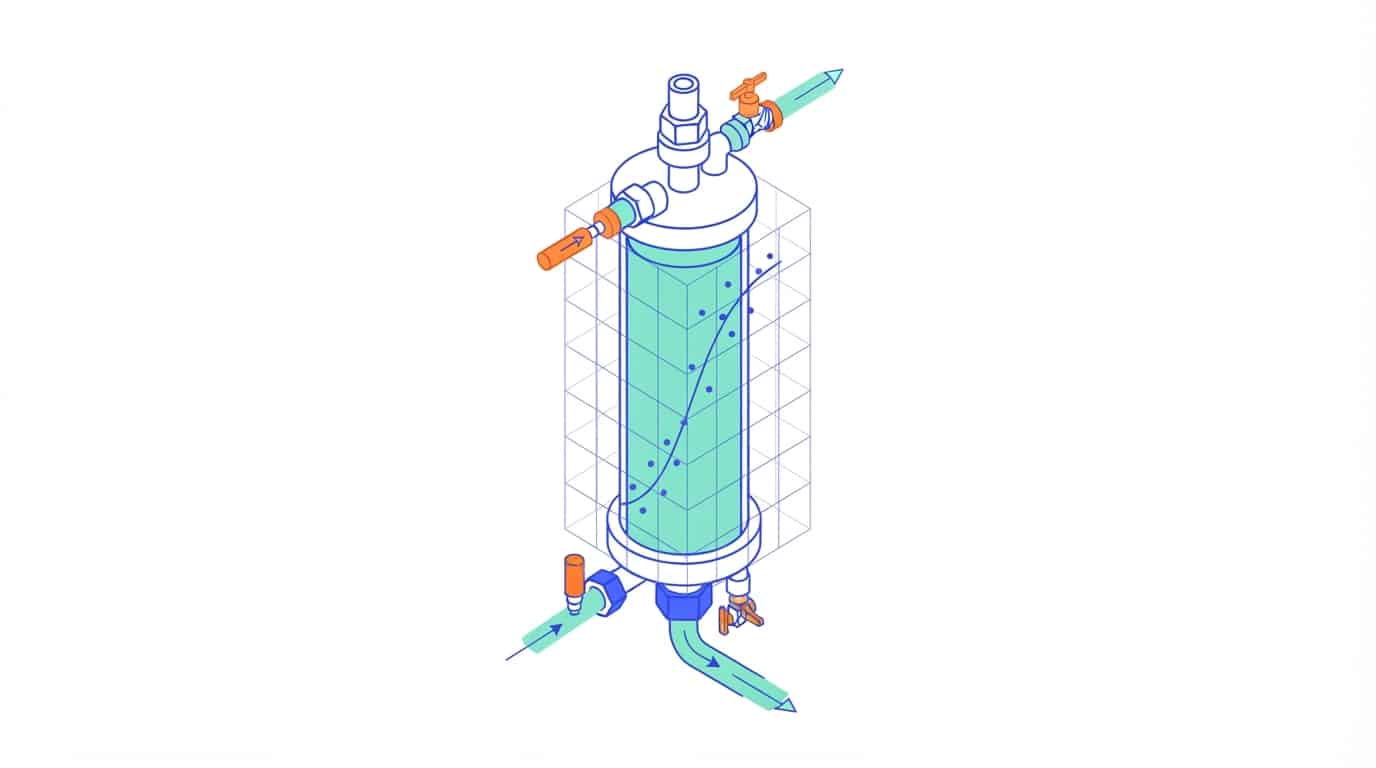
Data-driven, mechanistic or hybrid: three open-access papers set out what chromatography models predict, the measurements they need first, and the effects they still miss.