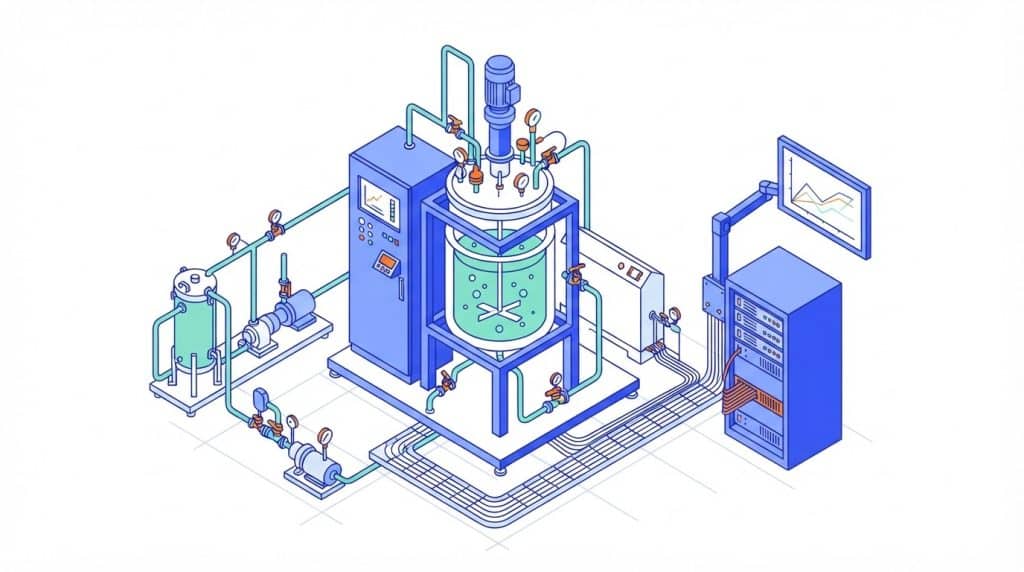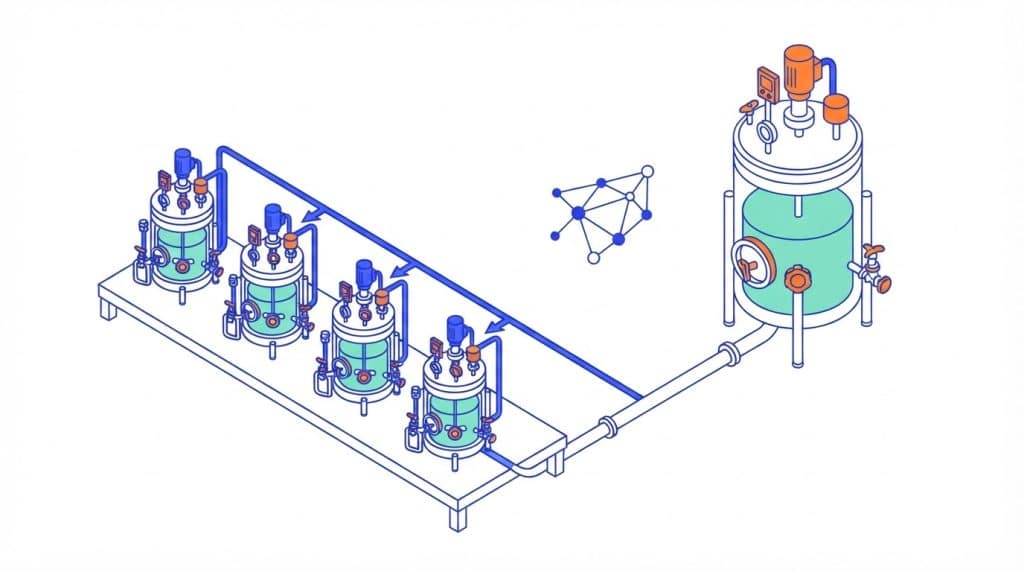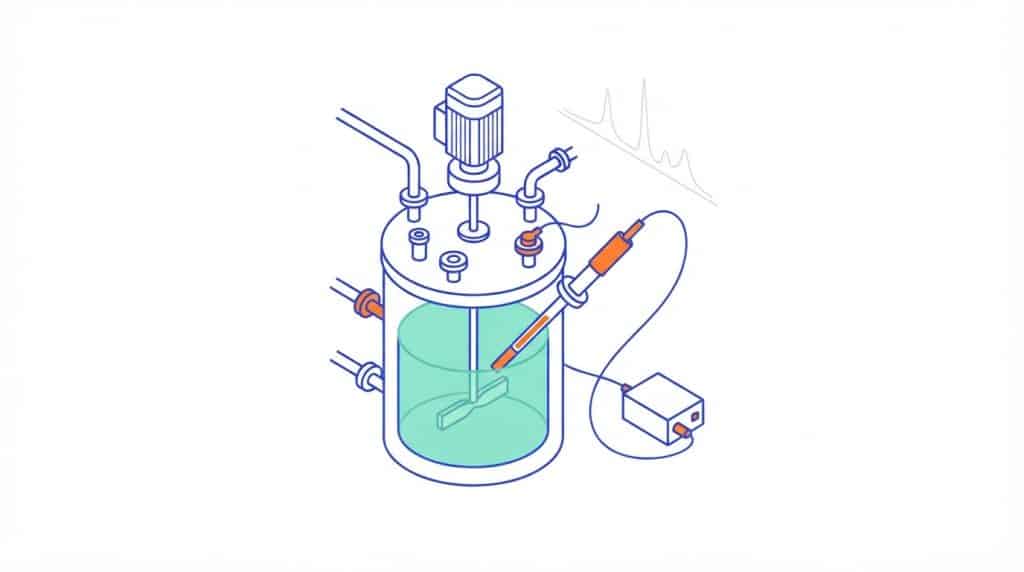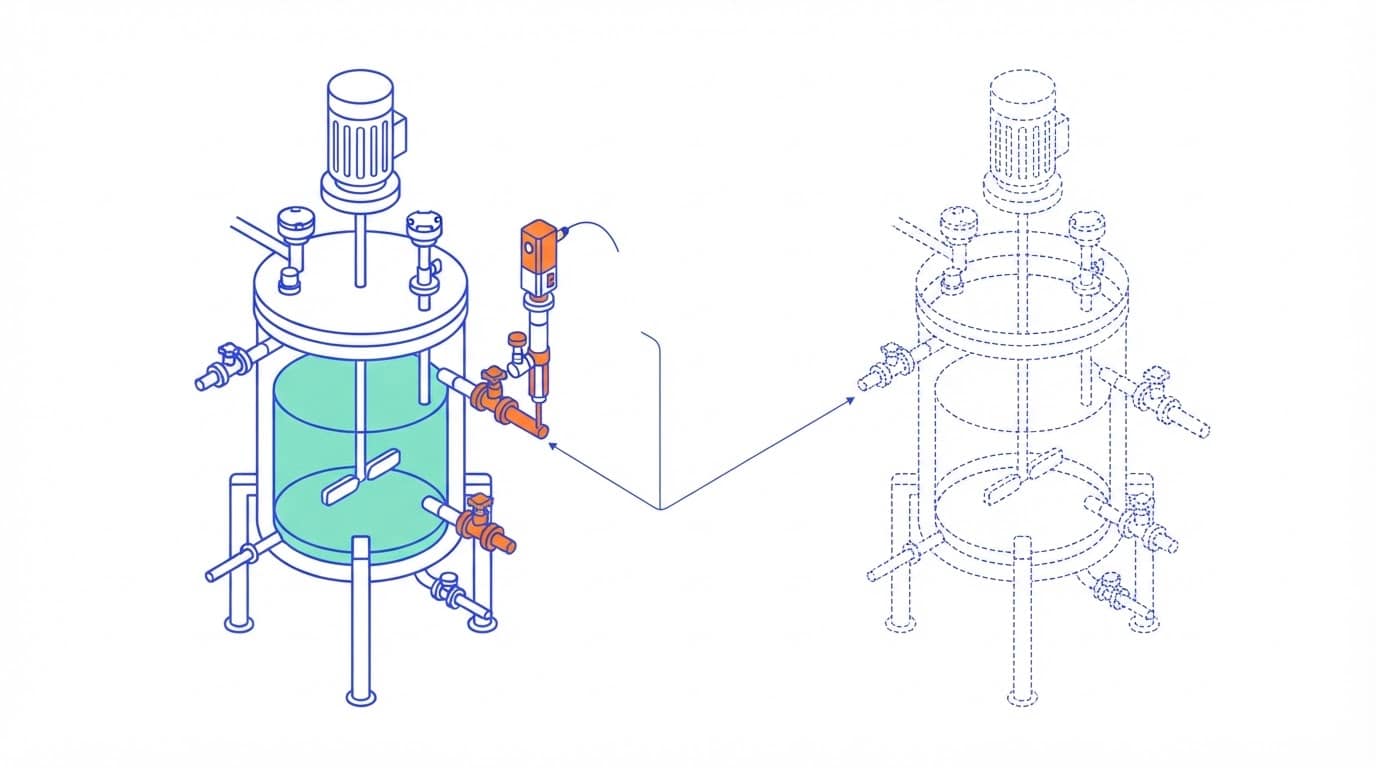
WuXi Biologics launched PatroLab, a digital twin platform built around Raman-based process analytical technology (PAT), on 12 January 2026. This is not new news: we cover it as context. Every figure below comes from the company’s own release, and the release gives no measured performance results.
What the company says PatroLab does
- Raman PAT. Real-time, non-invasive monitoring of more than 40 key process performance and product quality attributes, replacing static off-line testing.
- Data density. Nearly 1,000 times more data per batch than traditional methods, according to WuXi.
- Raw materials. Rapid chemical characterization of cell culture media and buffers at the point of use.
- Models. Data-driven and mechanistic modeling combined with digital twin concepts to build virtual bioprocess replicas, with “what-if” scenario analysis.
- Control. Model-predictive control and automated control strategies that replace manual interventions.
- Release. The company says the platform enables the application of real-time release testing (RTRT).
- Visualization. Trend analysis with out-of-trend (OOT) alerts and root cause identification.
What the release does not say
The release claims that PatroLab reduces process deviations and batch rejection rates, but gives no numbers for either. It does not list the 40-plus attributes, the scales, cell lines or modalities where the Raman models were built, how the models are maintained when media or scale change, or whether any product has been released with RTRT. There are no customer case results and no named programs.
What it means for a plant
For a sponsor evaluating a CDMO on this basis, the release is a list of capabilities, not evidence. The questions that decide whether Raman PAT is useful in a tech transfer are the ones the release leaves open: which attributes have validated models, at what scale they were calibrated, how model changes are controlled under GMP, and which of the listed functions are in routine GMP use versus development. Those answers, not the 40-plus or the 1,000 times, are what belong in a quality agreement.