Codon-optimized soybean GmPRR7-1 made in E. coli in a 5-L fed-batch run
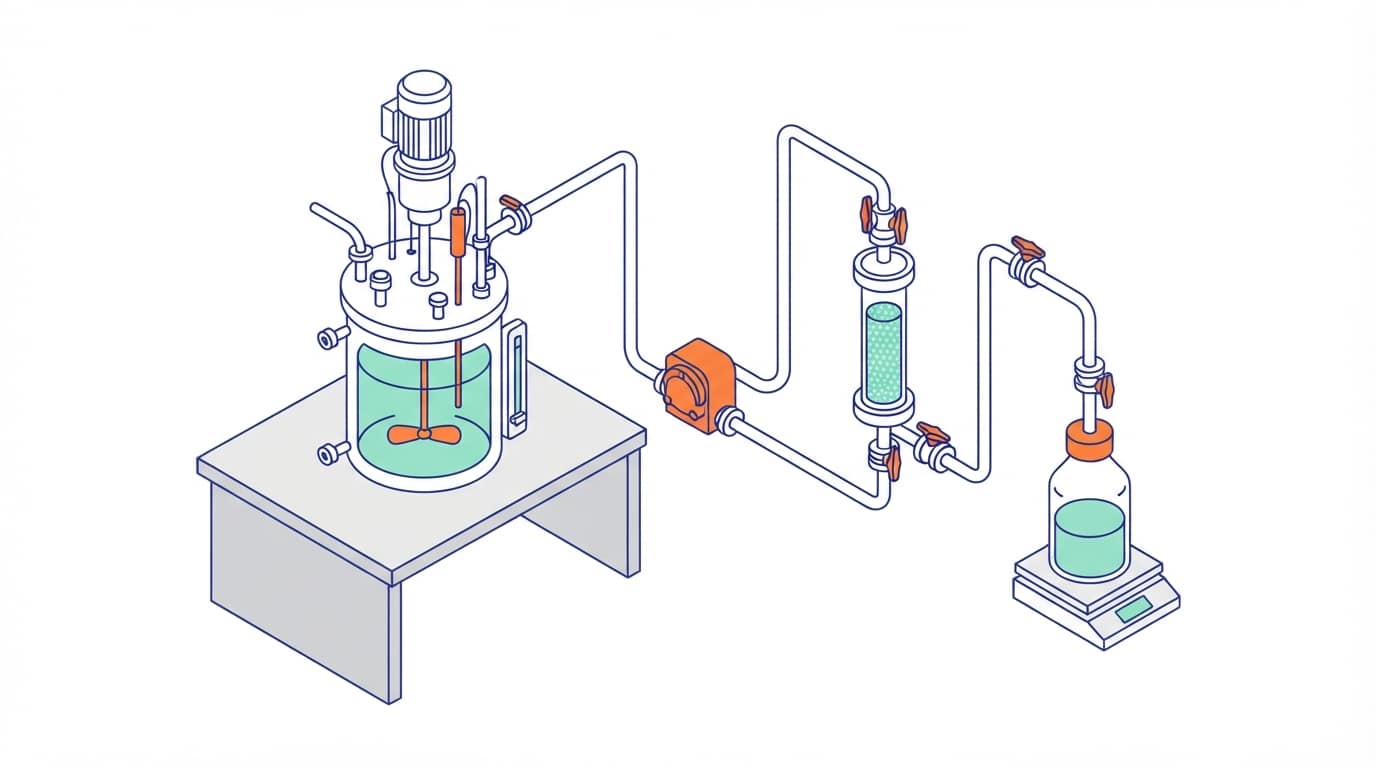
A KRIBB-led paper reports a 5-L fed-batch E. coli workflow for a soybean clock protein. The native gene gave no detectable expression; the codon-optimized gene did.
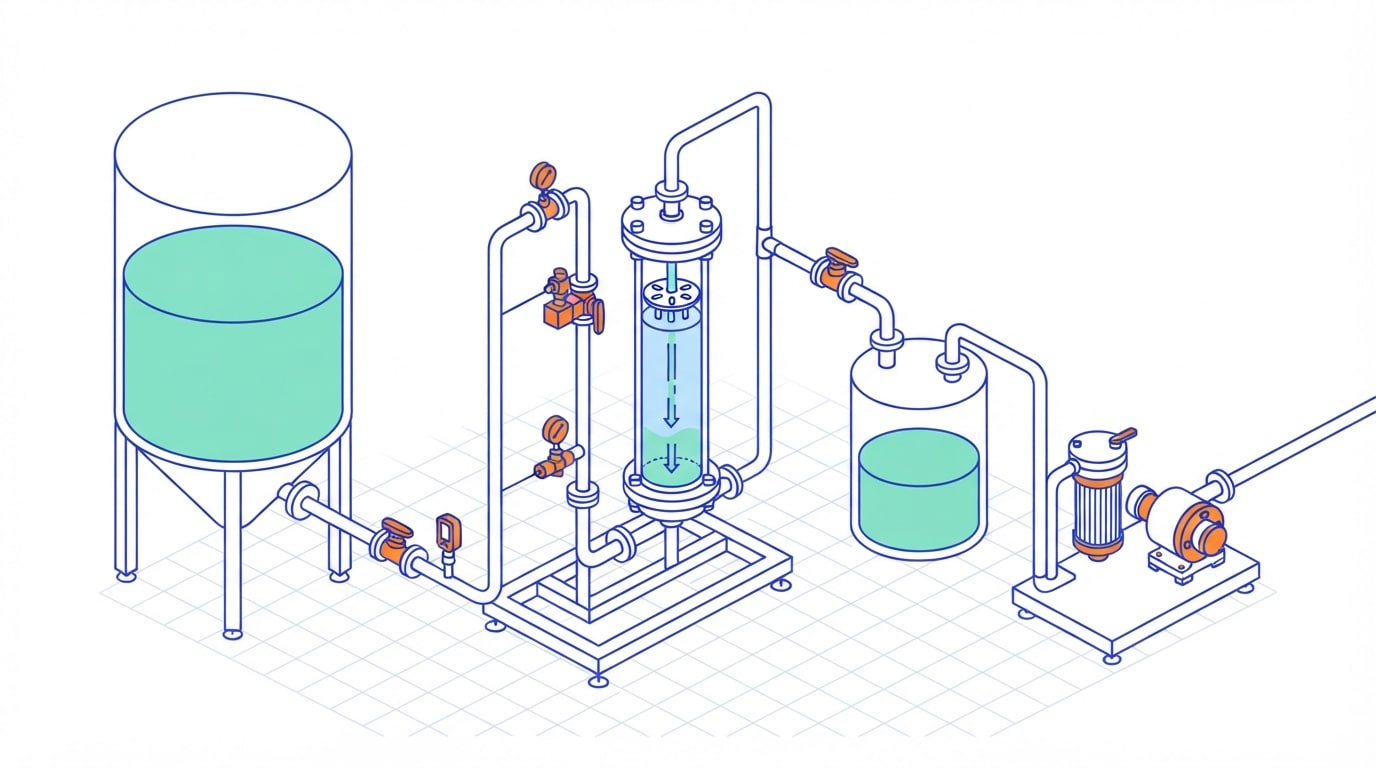
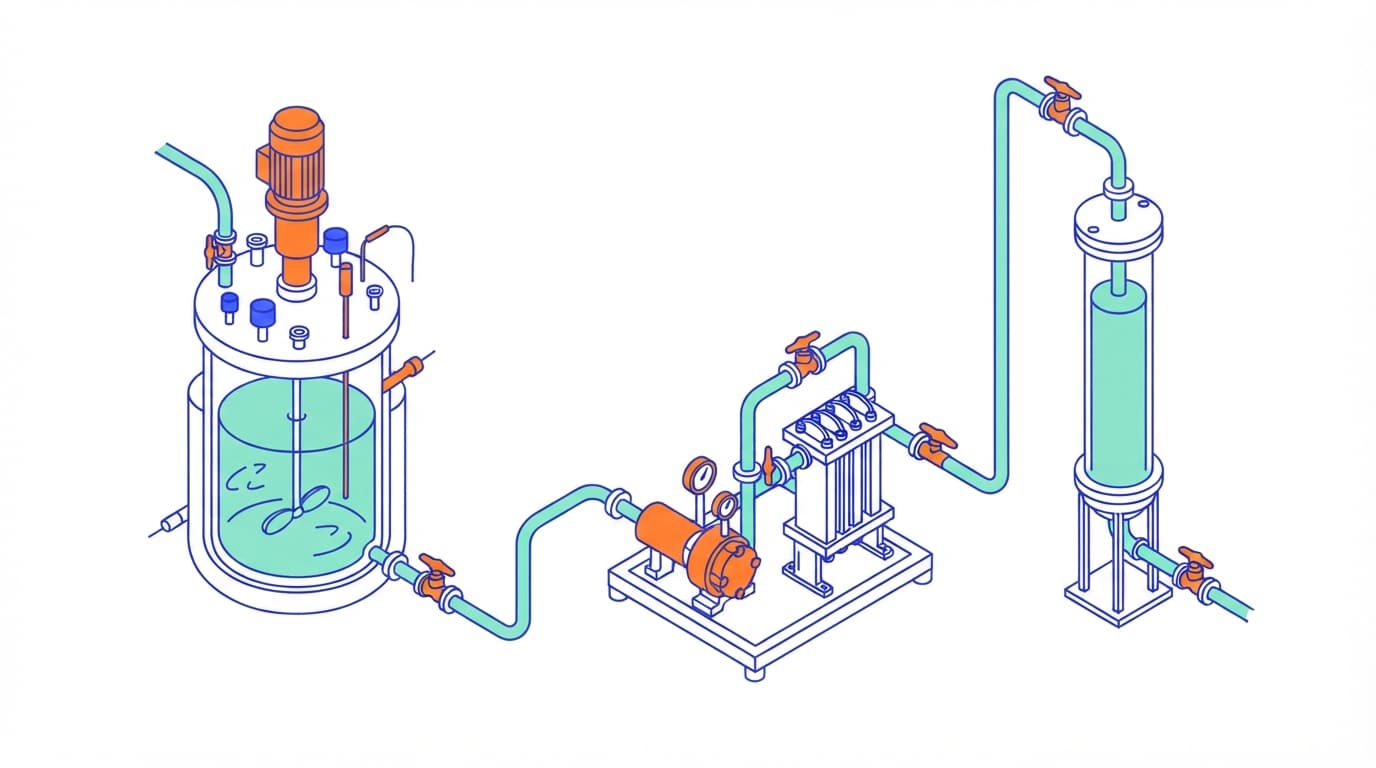
A Biotechnology and Bioengineering paper from NC State University and co-authors describes peptide resins that capture AAV from HEK293 lysate and enrich transducing capsids in one step.
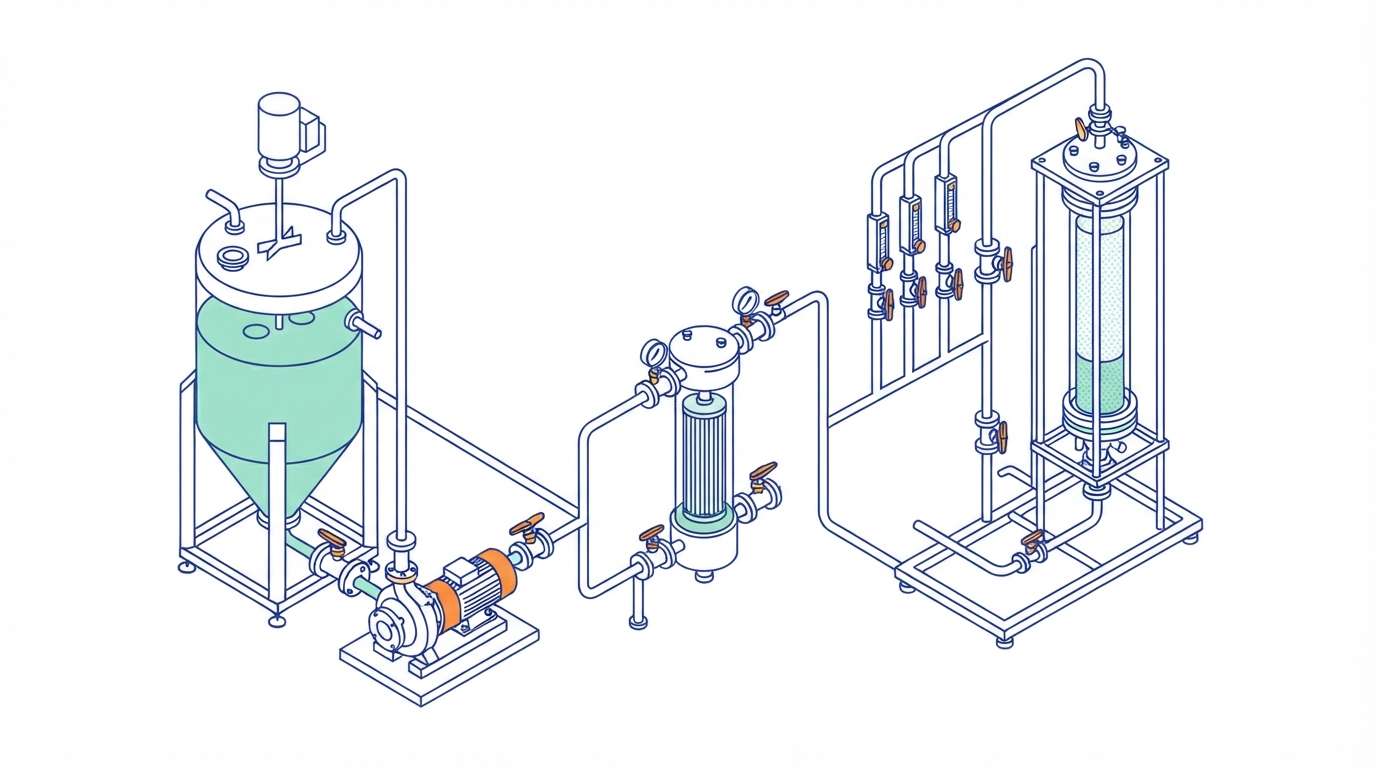
Precision fermentation uses engineered microbes in a closed tank to make one specific ingredient, such as a milk protein. Here is how it works and how it differs from traditional fermentation.
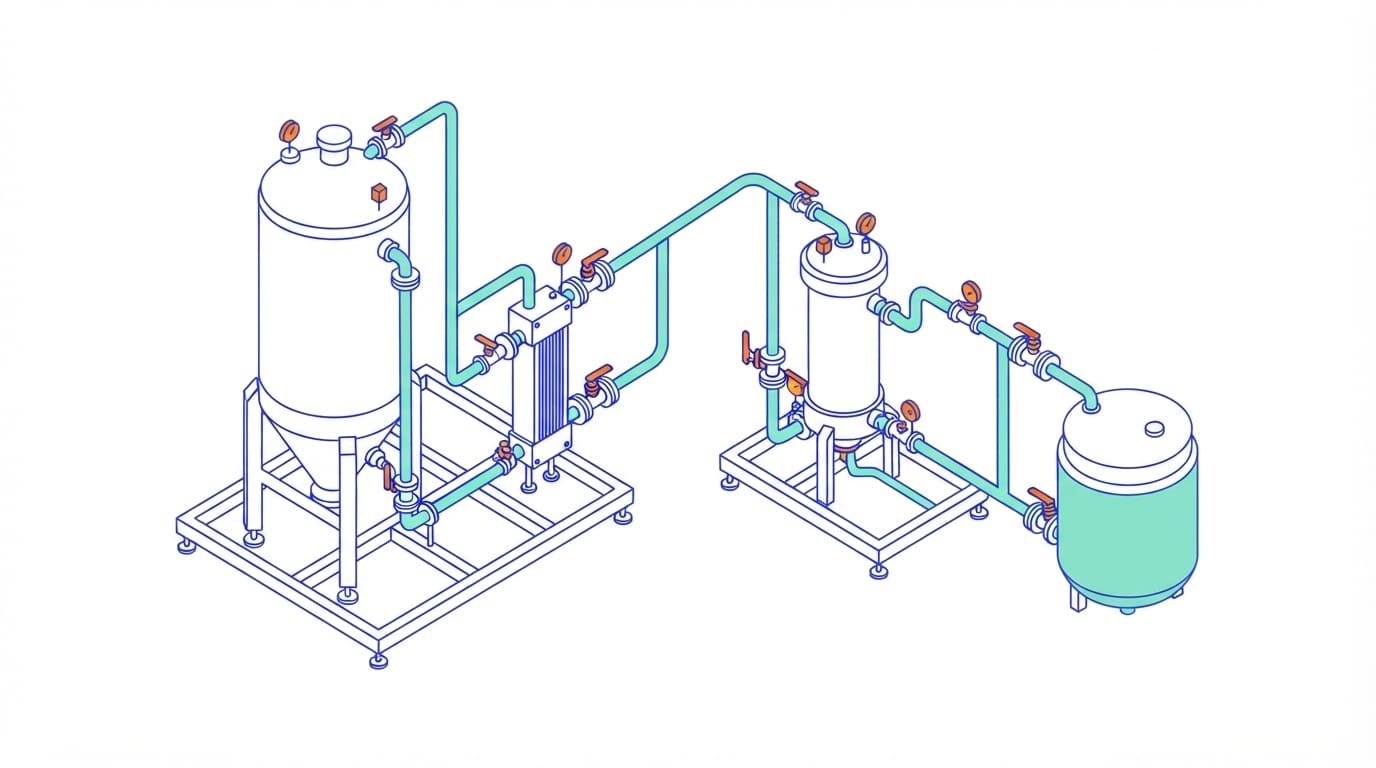
Upstream grows the cells that make the product. Downstream recovers and purifies it. Choices on both sides shape process cost.
A BOKU University study screened five cationic flocculants on mAb cell culture fluid. The best one cut host cell DNA by over 99% and total host cell proteins by up to 40%.
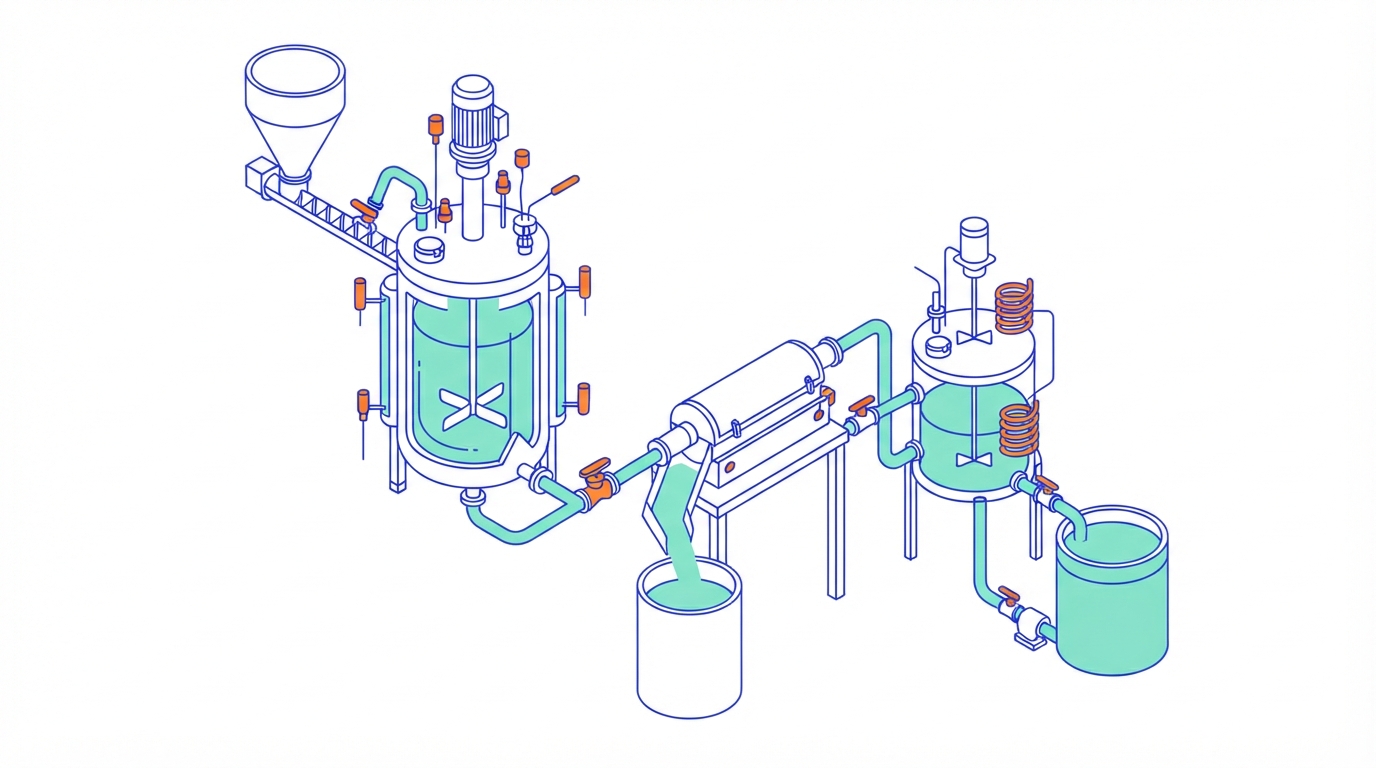
A J. Agric. Food Chem. paper extracts chitin from shrimp shell by lactic acid fermentation on coconut water plus a protease step, and repeats it in a stirred-tank bioreactor.
A Bielefeld University preprint describes AAVX nanobody fusions made in E. coli for AAV capture, ELISA and label-free BLI quantification. It has not been peer reviewed.
AstraZeneca authors report cycling an Emphaze AEX depth filter 40 times at bench scale, reaching 10,500 L/m2, about ten times the capacity of a single load to maximum.
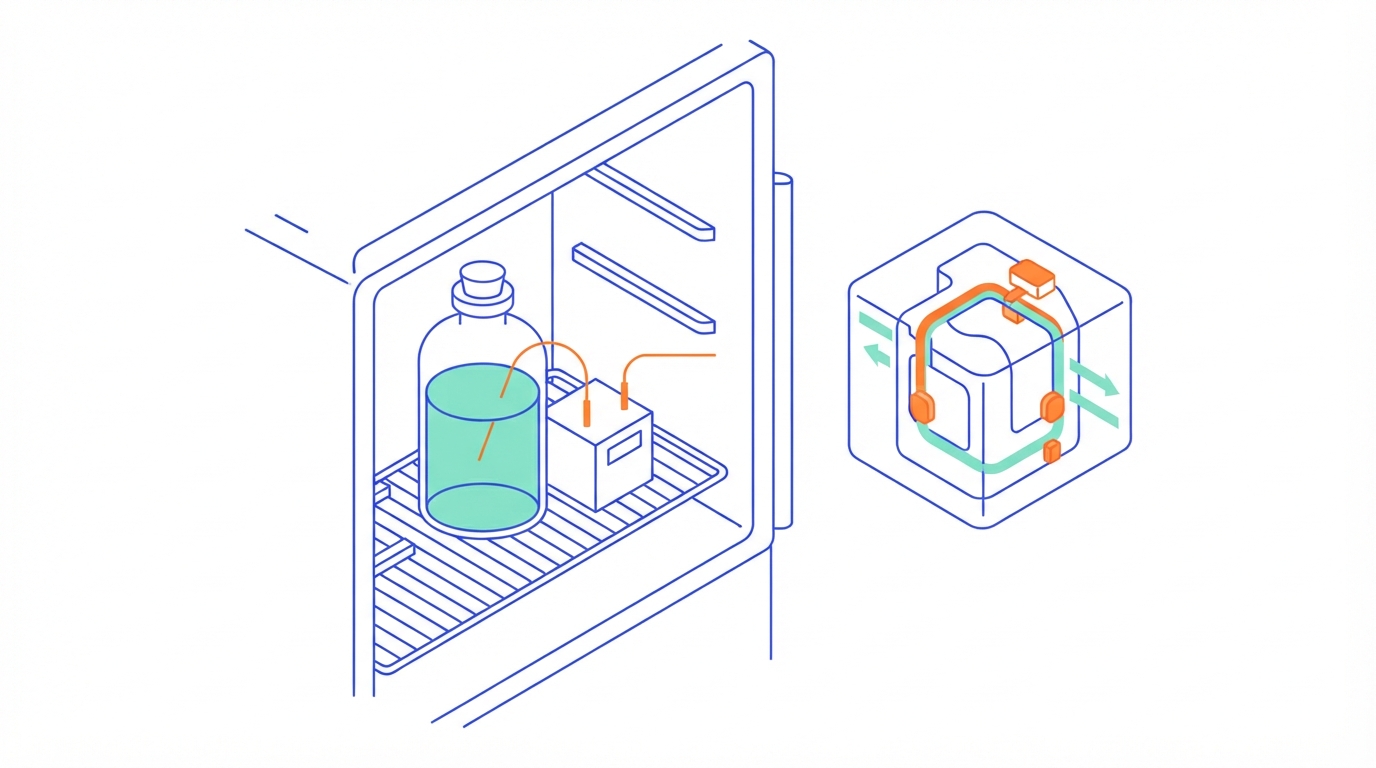
A J Pharm Sci paper compares two CFD-based scale-down devices with a 5 L PharmaTainer bottle for freezing and thawing of protein drug substance. A box-shaped device matched the bottle best.
A Biotechnology and Bioengineering study tests a monoclonal antibody polishing block run at about pH 5.0 after mild-pH Protein A elution, with no pH adjustment between steps.