Primary source Onego Bio: Onego Bio Chooses Jefferson County, Wisconsin for Flagship Egg Protein Manufacturing Facility
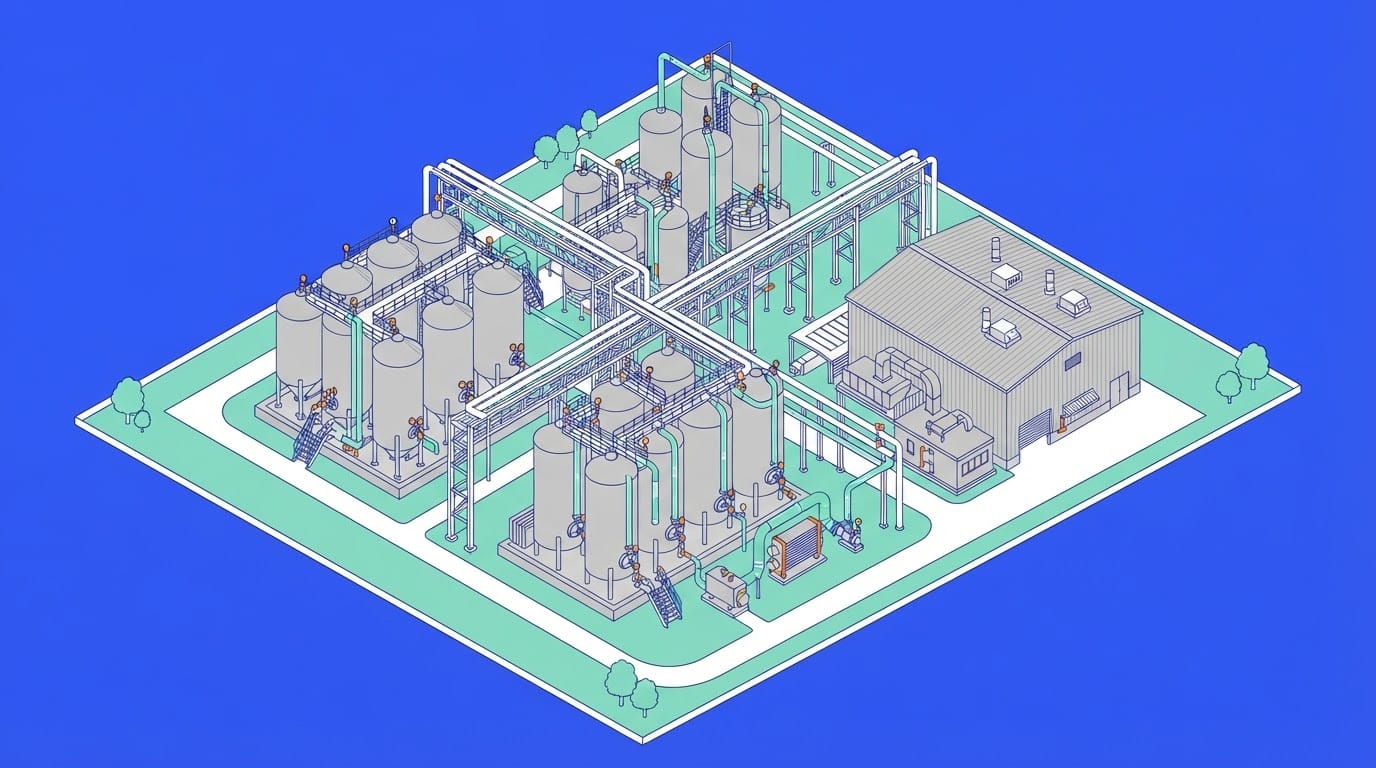
This is background, not news. In March 2025, Onego Bio announced that its flagship manufacturing facility would be built in Jefferson County, Wisconsin, with the capacity to produce egg protein equivalent to the output of 6 million laying hens and a planned start of operations by 2028. The plant is dedicated to Bioalbumen, an ovalbumin made by precision fermentation.
What Onego Bio announced in 2025
- Site: Jefferson County's Food and Beverage Innovation Campus, on the south side of the City of Jefferson. Onego Bio becomes the campus's second tenant.
- Land: a USD 777,000 purchase of 25.9 acres (about 10.5 ha).
- Role: the company's flagship manufacturing facility and its first US manufacturing facility.
- Capacity: egg protein equivalent to the output of 6 million laying hens.
- Timeline: planned to be operational by 2028.
The release gives no construction budget, no fermenter volume, no annual output in tonnes and no titre.
The process, as the company describes it
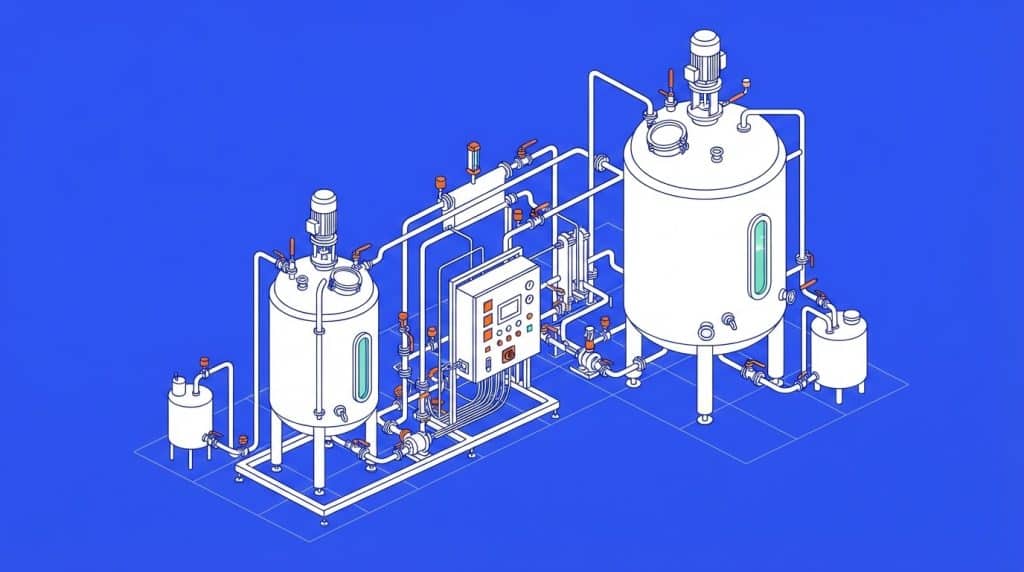
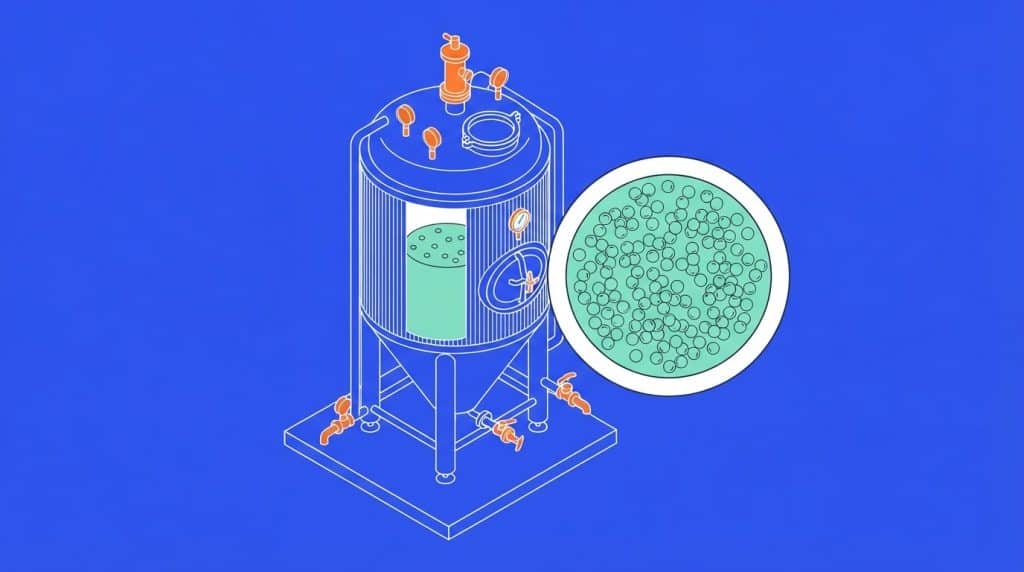
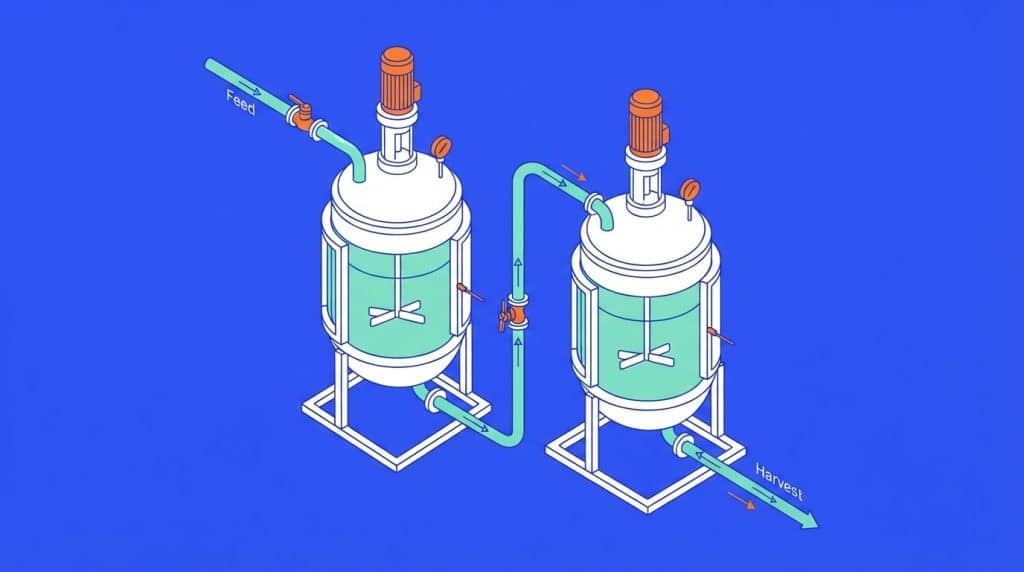
The production host is the filamentous fungus Trichoderma reesei, which the company calls the microbial platform behind Bioalbumen. In the company's words, the microorganism is fed sugar in large fermentation tanks and produces ovalbumin, the main protein in egg white; the protein is then purified and dried into a powder.
Sizing in hens, not litres
"Equivalent to the output of 6 million laying hens" is a market figure, not a process figure. It does not tell an engineer the three numbers that set the size and cost of a precision fermentation plant: installed fermenter volume, titre and productivity, and overall downstream yield from broth to dry powder. The release gives none of these, and we do not estimate them.
What changed since March 2025
On 22 September 2025, Onego Bio said the US Food and Drug Administration had issued a "no questions" letter on its GRAS conclusion for Bioalbumen (GRAS Notice No. GRN 1249). The company wrote that the milestone increases its confidence in anchoring the Jefferson County facility for its US operations.
The later releases listed in Onego Bio's newsroom (up to the most recent ones in 2026, on commercial partnerships) do not give a construction update, a capacity in tonnes or a revised start date for Jefferson County. As of this writing, the 2028 target from March 2025 is the latest date in those releases.
What it means for a plant
For anyone benchmarking precision fermentation capacity, Jefferson County is a useful data point with clear limits. It is a stated commitment to a site, a host organism and a market-sized output, from a company that has since cleared a US regulatory step. It is not yet a process disclosure. When a food-protein plant is sized in hens, the engineering questions stay open: how many cubic metres of fermentation, at what titre, with what downstream yield and at what cost per kilogram.
Sources
- Onego Bio, Onego Bio Chooses Jefferson County, Wisconsin for Flagship Egg Protein Manufacturing Facility, 11 March 2025.
- Onego Bio, Onego Bio Receives FDA “No Questions” Letter on GRAS Status of Bioalbumen®, 22 September 2025.
- Onego Bio, Onego Bio Launches “The Power of Trichoderma reesei” Series, 9 December 2025.
- Onego Bio, Our News (newsroom listing), accessed 26 September 2026.