Primary source GEA: GEA to equip BFF’s food-grade line for precision and biomass fermentation
GEA has been selected to deliver and commission a precision and biomass fermentation upscaling line for Biotechnology Fermentation Factory (BFF), a non-profit, open-access facility on the NIZO Food Innovation Campus in Ede, the Netherlands. GEA announced the contract on 13 January 2026. Installation is scheduled for 2026, with pilot operations targeted from 2027, so on that schedule the line is not yet in operation.
What is being built
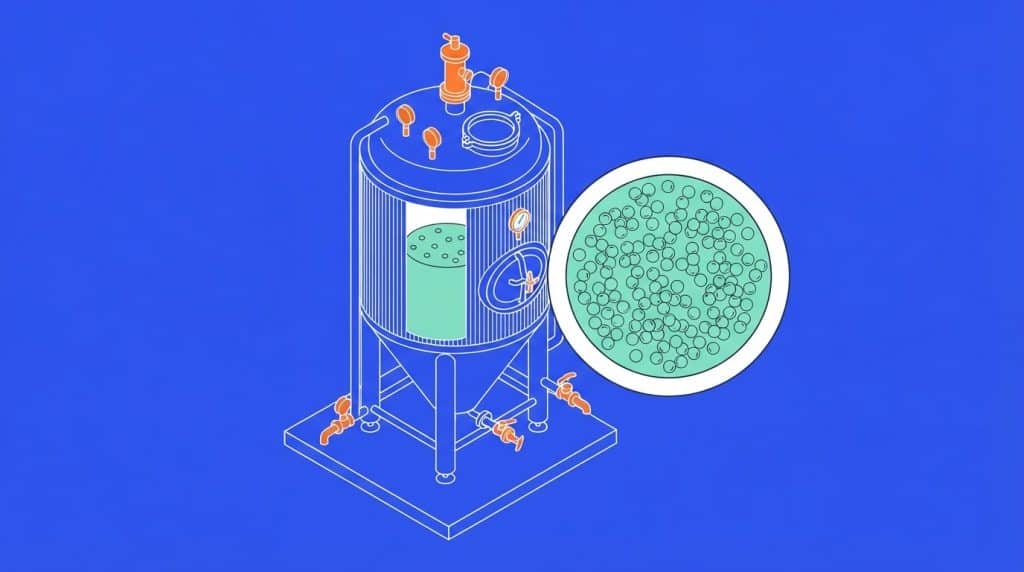
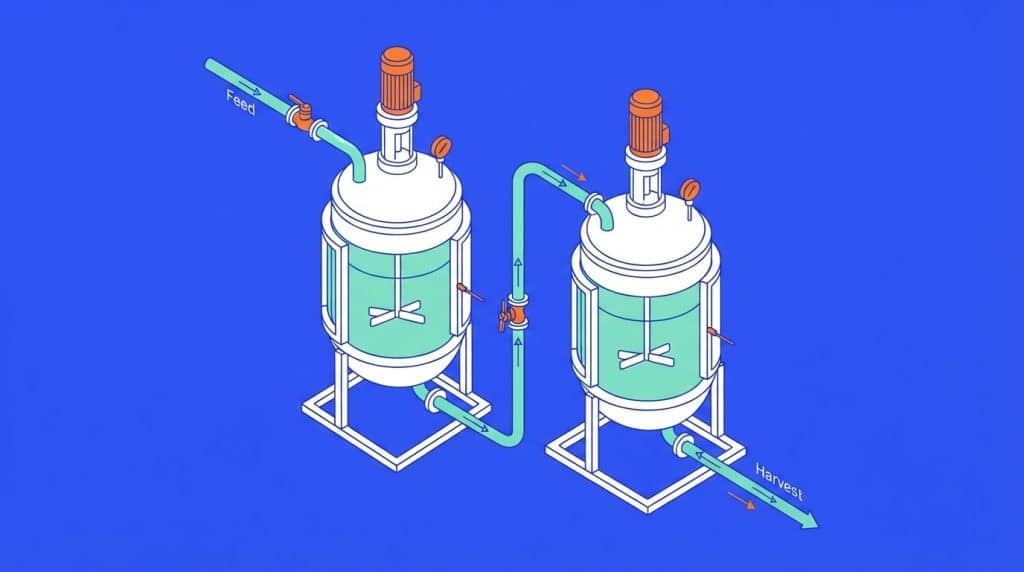
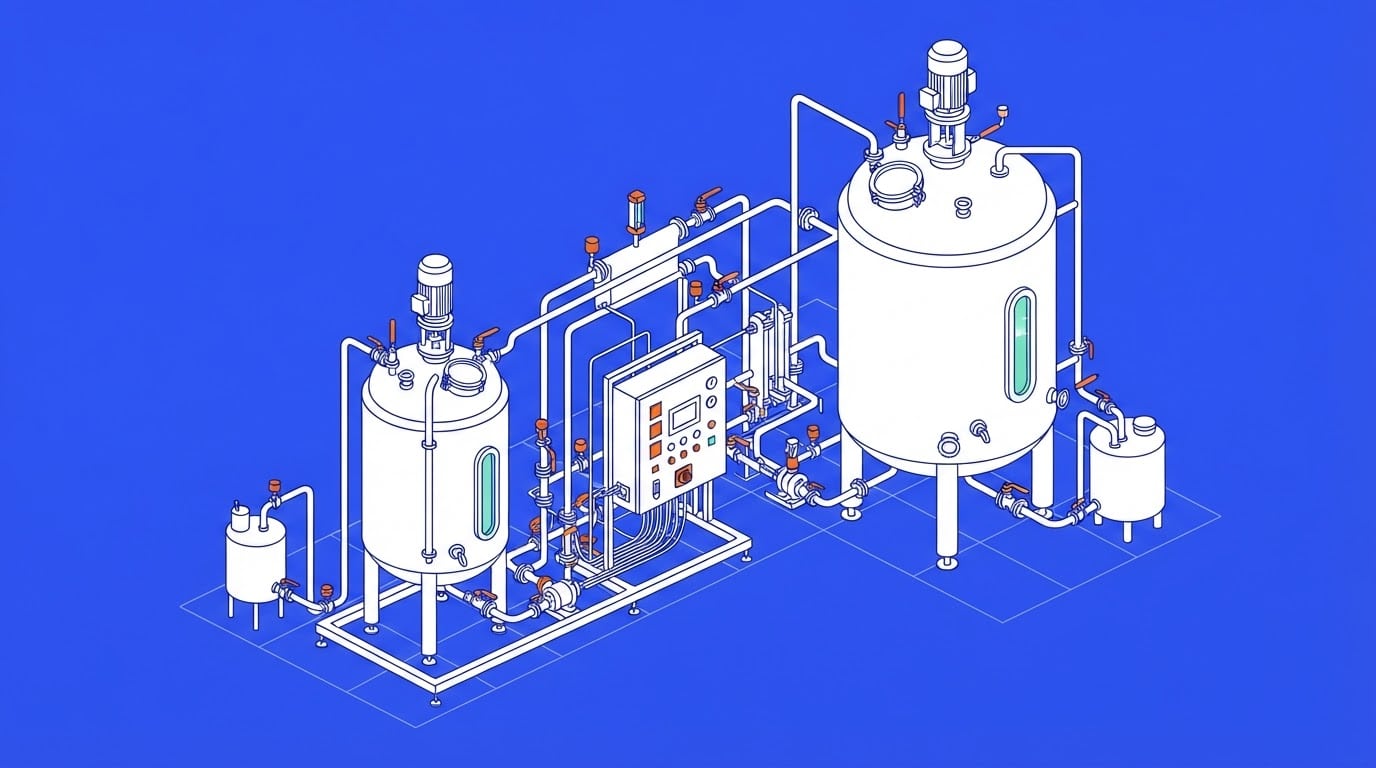
- Two main fermenters: 1,000 L and 10,000 L.
- An integrated upstream-to-downstream line for food-grade operation: media preparation, controlled fermentation, cell harvest and a filtration train for recovery and polishing.
- GEA scope: delivery, installation and commissioning, including automation, with commissioning and validation support.
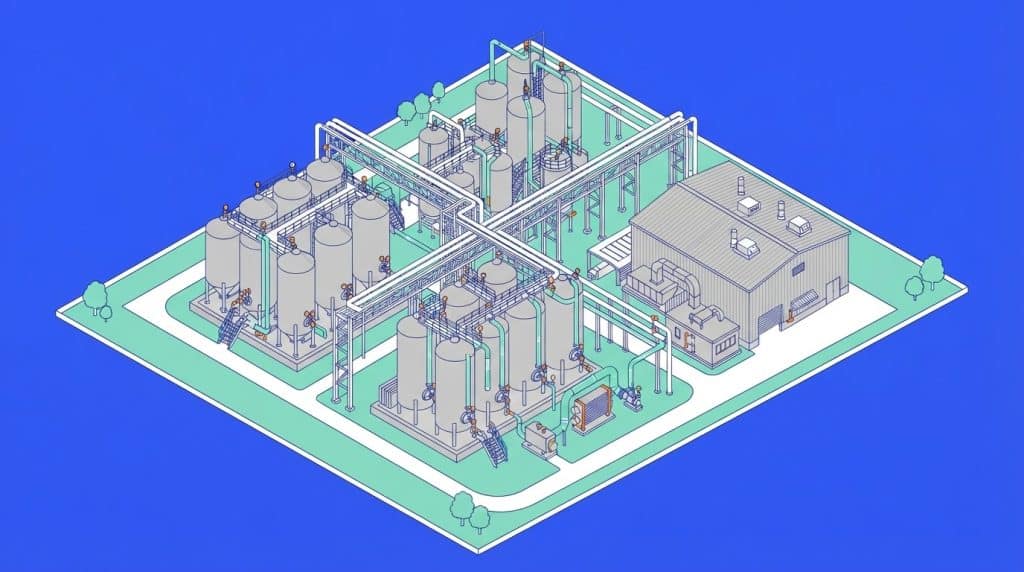
- Connection to the downstream processing (DSP) pilot plant at NIZO on the same campus, so fermentation, primary recovery, concentration and purification can run in one place.
Who it is for
BFF offers bookable upscaling capacity, process expertise and quality procedures to food and ingredient companies, so they can run pilot campaigns without building a facility of their own. GEA lists target products such as animal-free dairy proteins, egg-white proteins, specialty enzymes, flavours and fragrances. Under food-grade standards, BFF produces trial volumes for sensory evaluation and application testing. GEA says organisms, recipes and commercial figures stay confidential to each client.
The project is supported by the Dutch National Growth Fund programme Cellulaire Agricultuur Nederland (CAN), the regional development agency OOST NL and private co-funding partners such as NIZO. The release does not give the investment amount, titres, cycle times or how many campaigns a year the line can host.
What it means for a plant
The gap BFF targets is the one between lab proof-of-concept and the first commercial investment decision, where many precision fermentation projects stall. A shared 10,000 L food-grade train with downstream on the same campus lets a team generate scale-up and DSP data, plus product for application tests, before committing capital to its own plant. The practical questions for anyone booking time will be scheduling, changeover and cleaning between clients, and how well data from a shared multi-product line transfers to a dedicated commercial design. The release does not address them.