Titer vs specific productivity: which number matters?
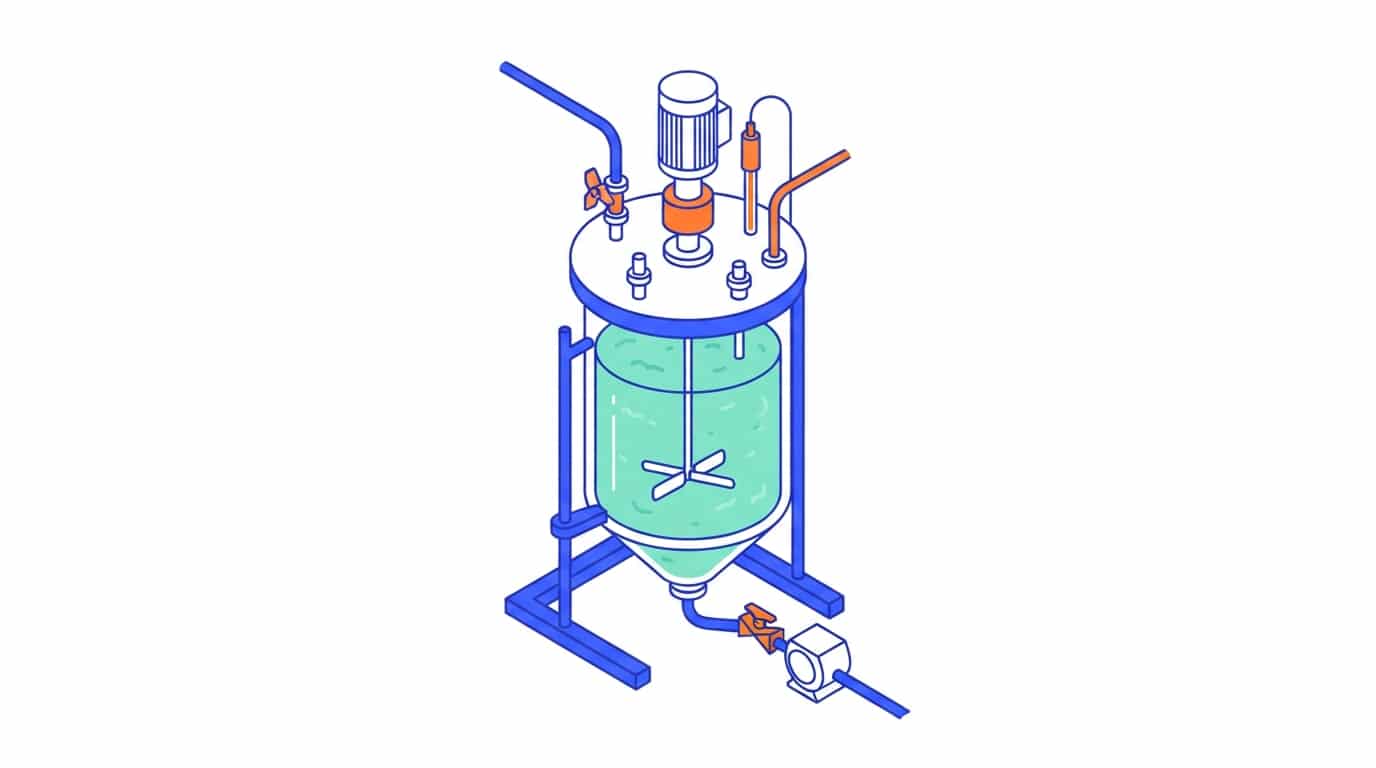
Titer is how much product is in the tank. Specific productivity is how much each cell makes. They are linked through cell density, but one can rise while the other falls.
Titer is how much product is in the tank. Specific productivity is how much each cell makes. They are linked through cell density, but one can rise while the other falls.
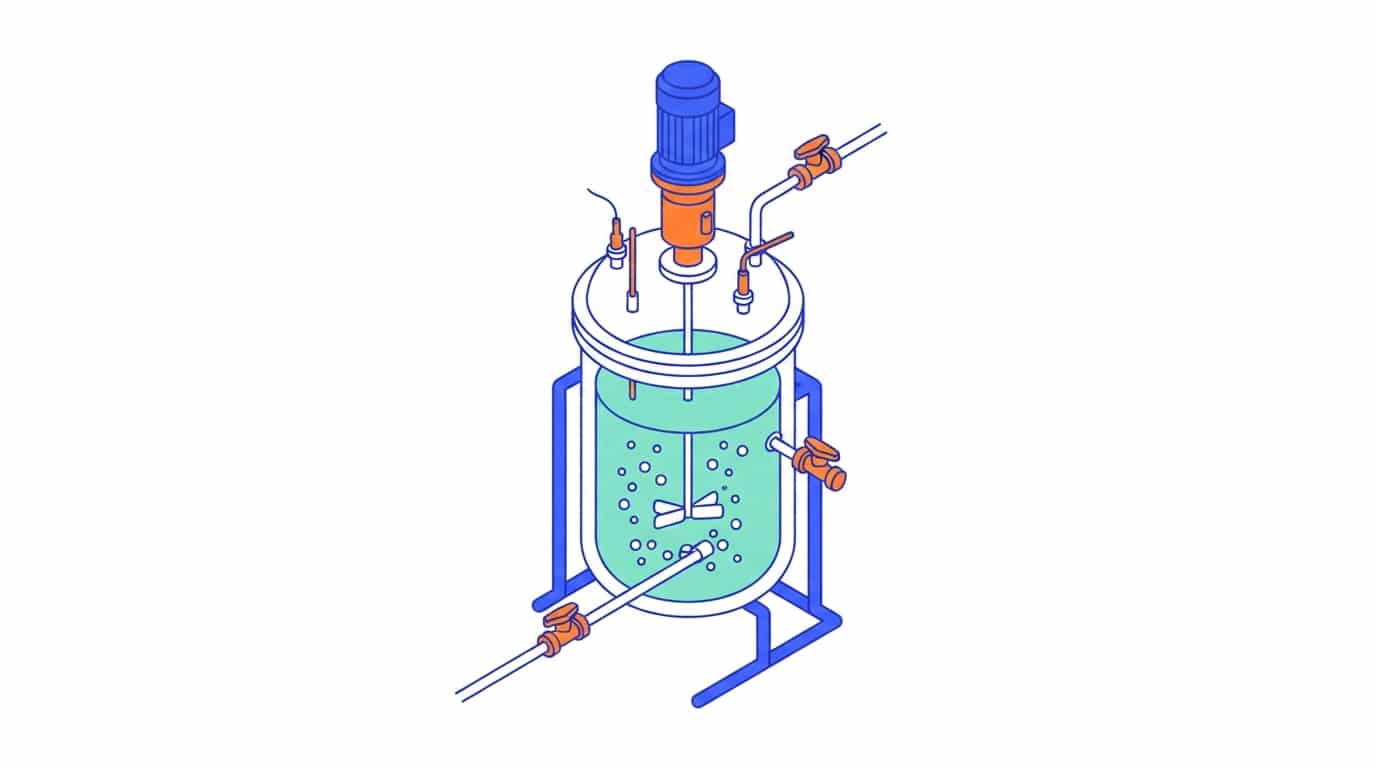
kLa measures how fast oxygen moves from gas into the liquid of a bioreactor. A culture can only use as much oxygen as the vessel delivers, so kLa sets a ceiling and guides scale-up.
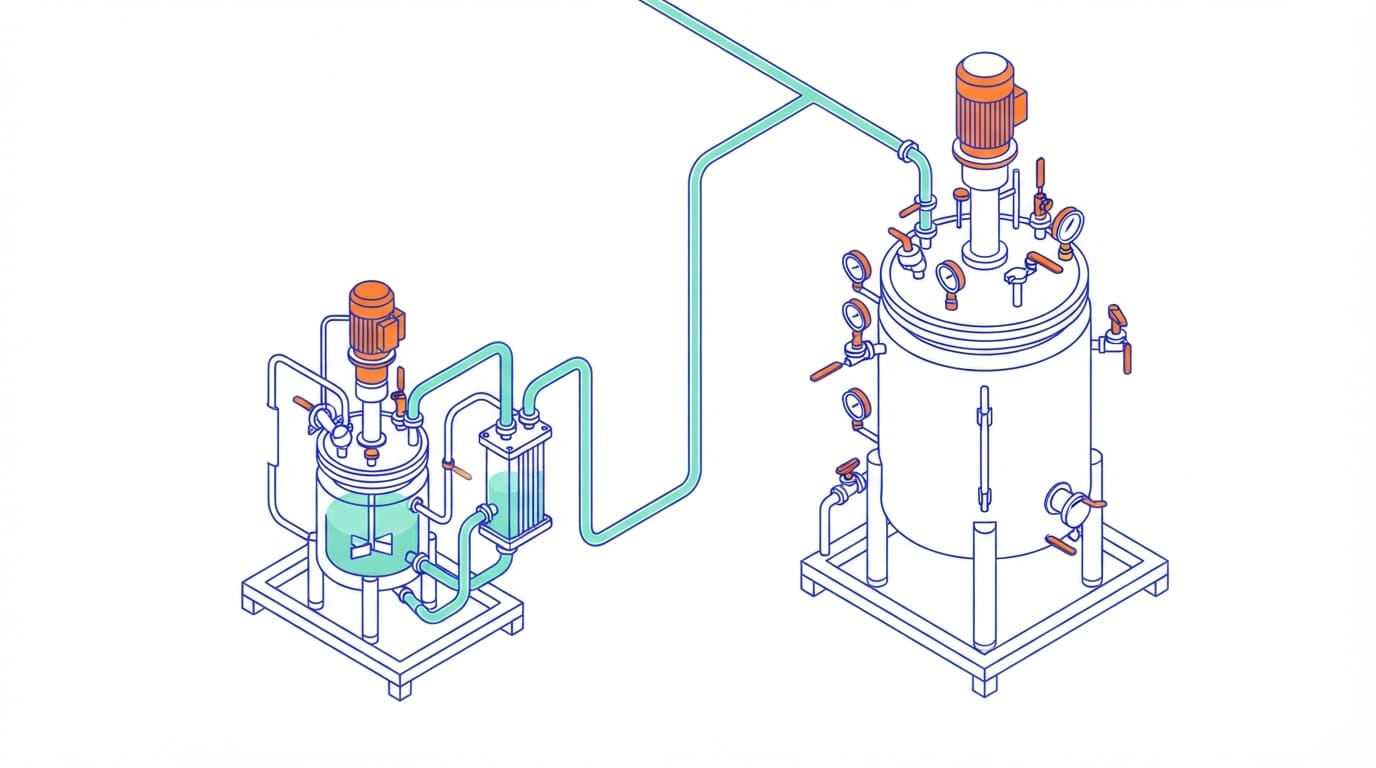
A Cytotechnology paper combines one commercial feed medium with N-1 perfusion seeding for a CHO bispecific antibody process. Final titer was 9.4 g/L against 7.6 g/L for conventional fed-batch.
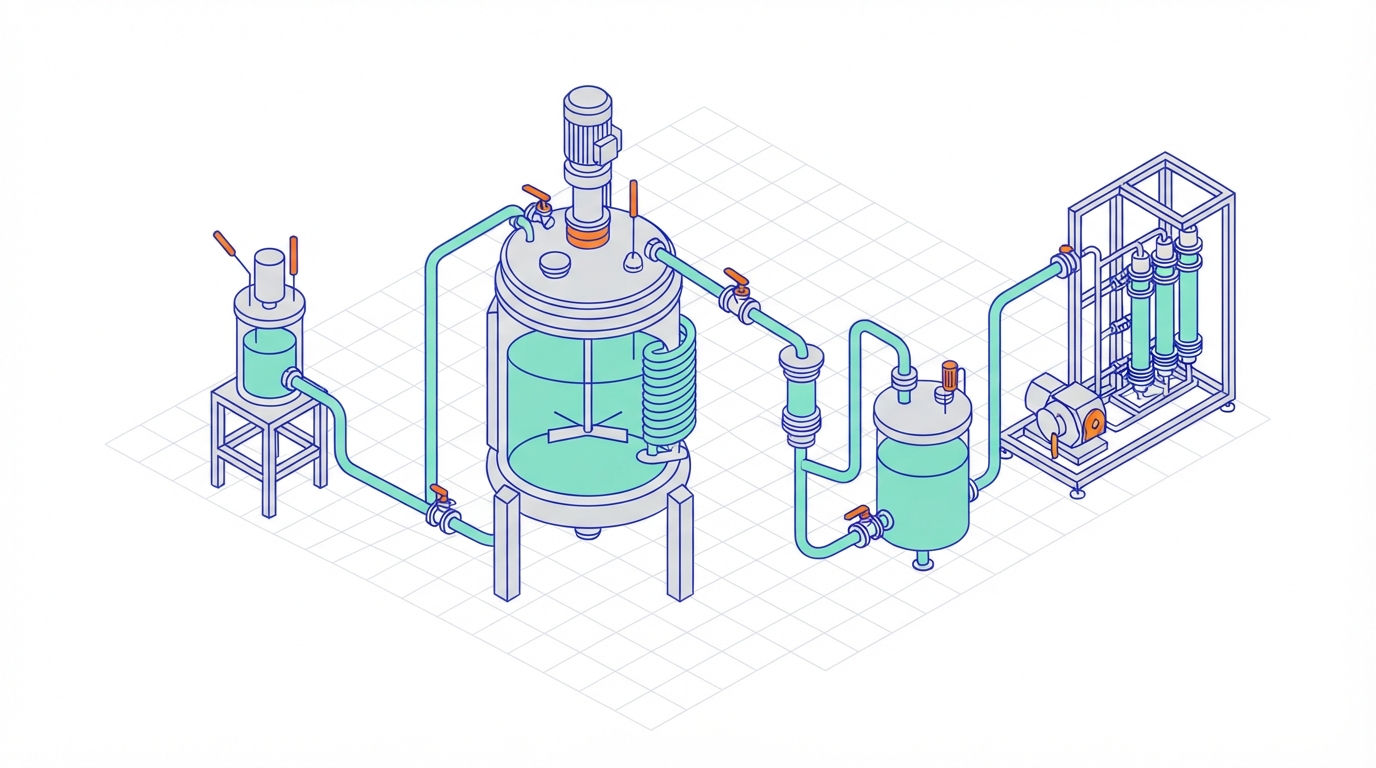
A Pharmaceutics paper from VIVEbiotech reports that mildly acidic culture and longer harvests raised lentiviral vector titers in a stable producer cell line platform.
A BOKU University study screened five cationic flocculants on mAb cell culture fluid. The best one cut host cell DNA by over 99% and total host cell proteins by up to 40%.
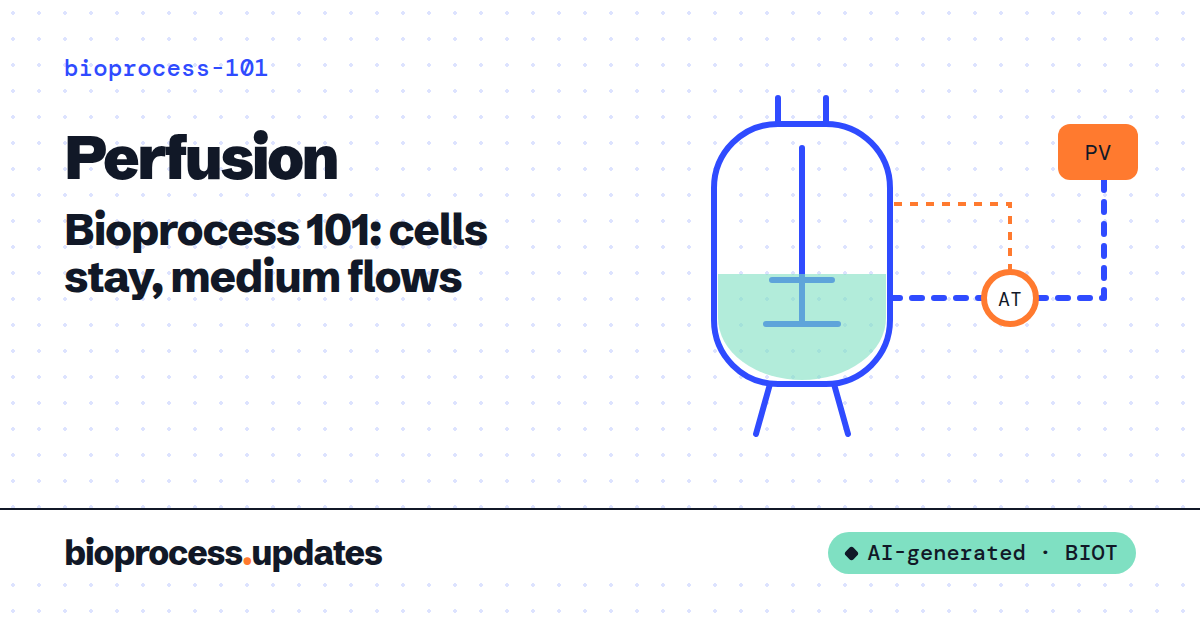
Perfusion keeps cells in the bioreactor while fresh medium flows in and spent medium flows out. It packs in more cells, and it costs more medium and more equipment.
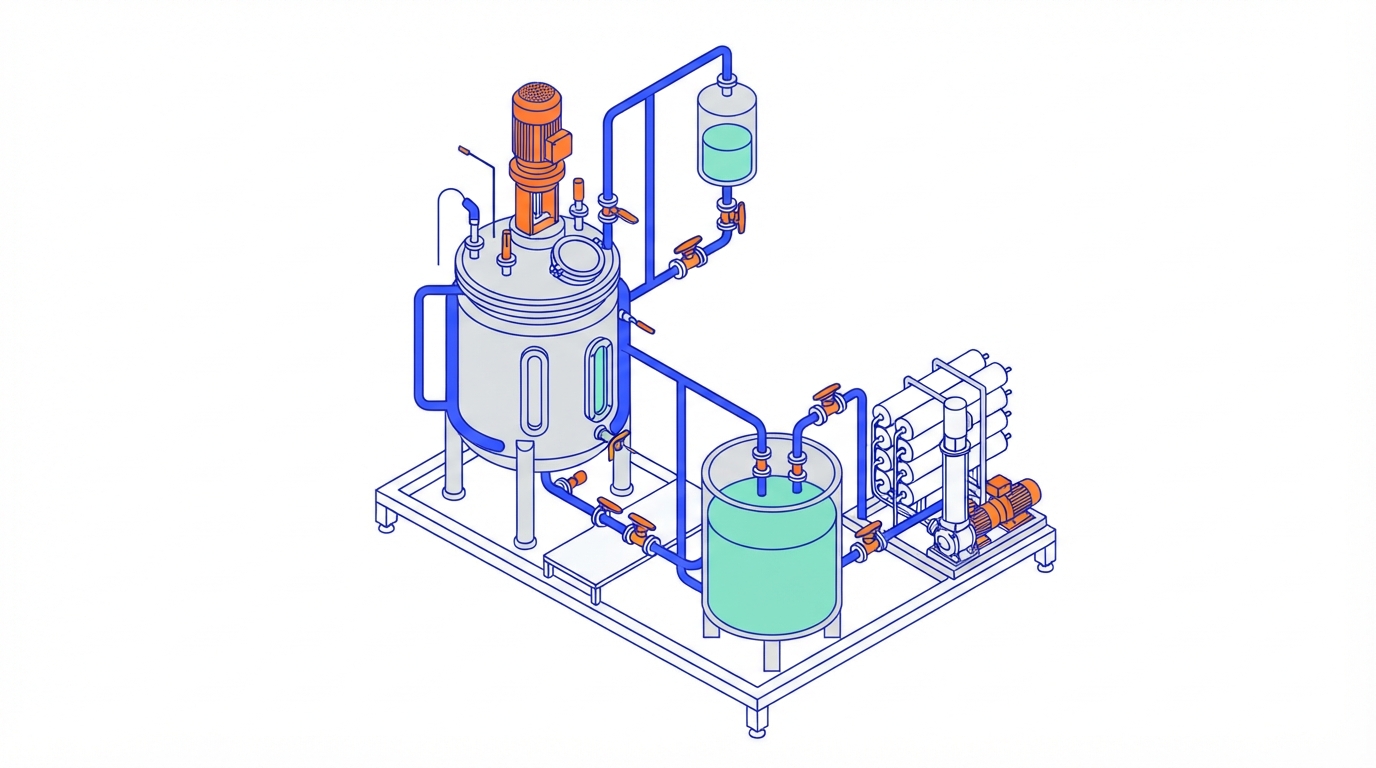
A Jiangsu University of Science and Technology team expressed mulberry (Morus alba) urease in Pichia pastoris, tuned the medium and agitation, and moved to a 3 L fed-batch fermenter.
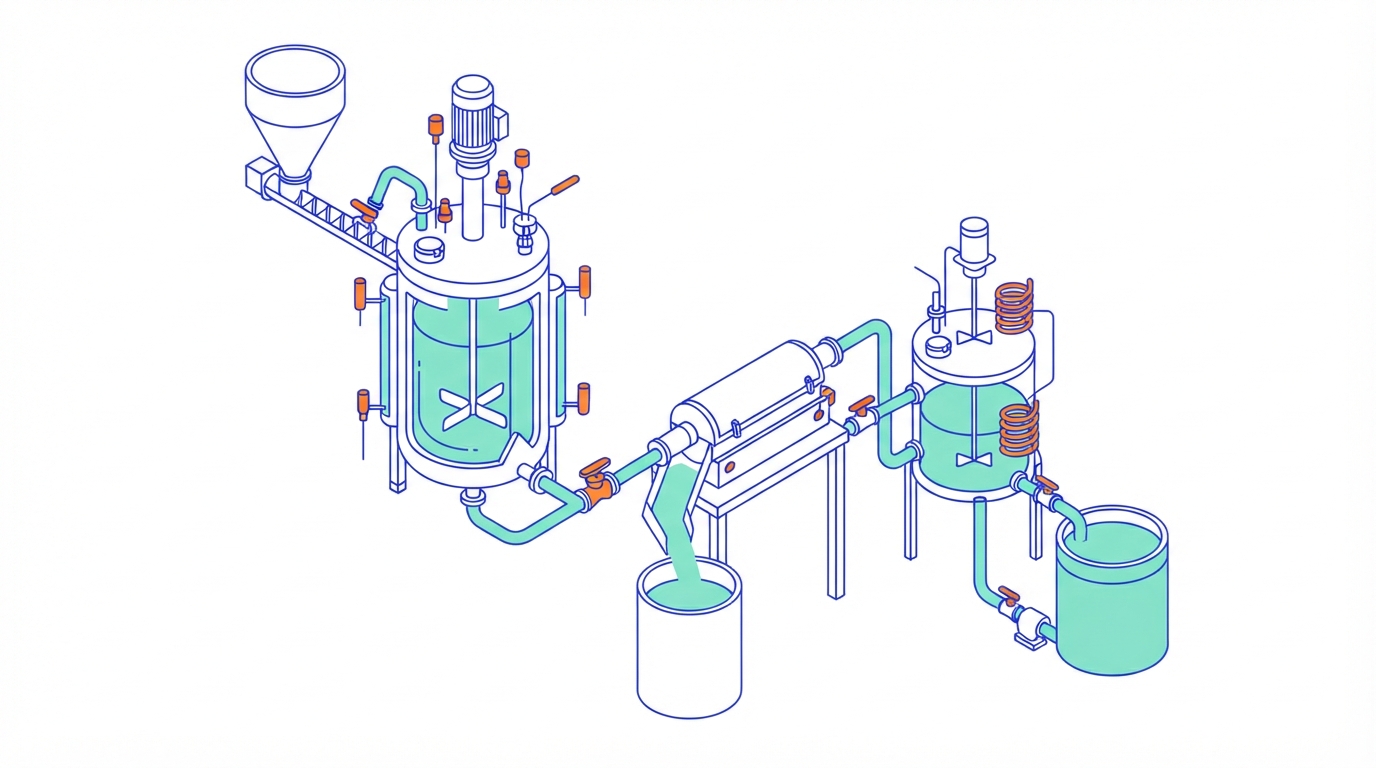
A J. Agric. Food Chem. paper extracts chitin from shrimp shell by lactic acid fermentation on coconut water plus a protease step, and repeats it in a stirred-tank bioreactor.
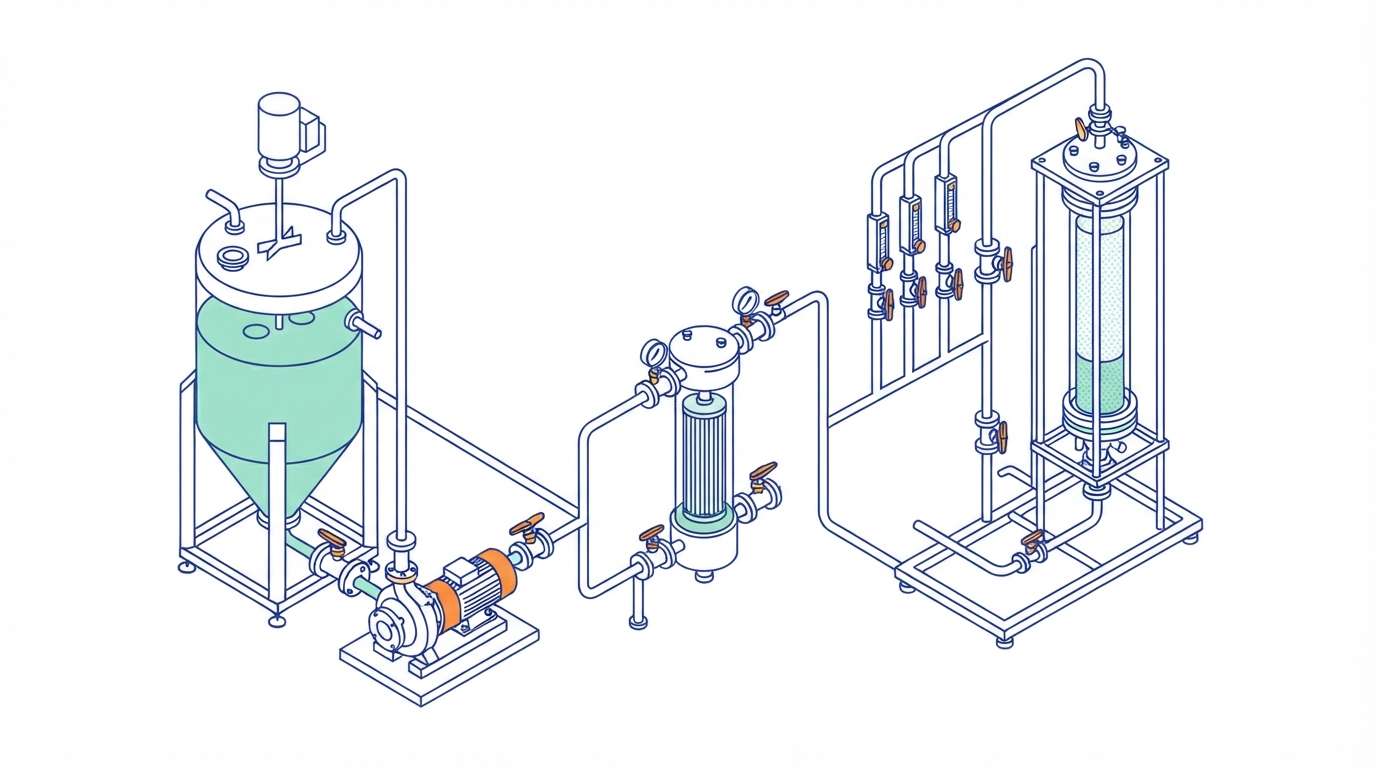
AstraZeneca authors report cycling an Emphaze AEX depth filter 40 times at bench scale, reaching 10,500 L/m2, about ten times the capacity of a single load to maximum.
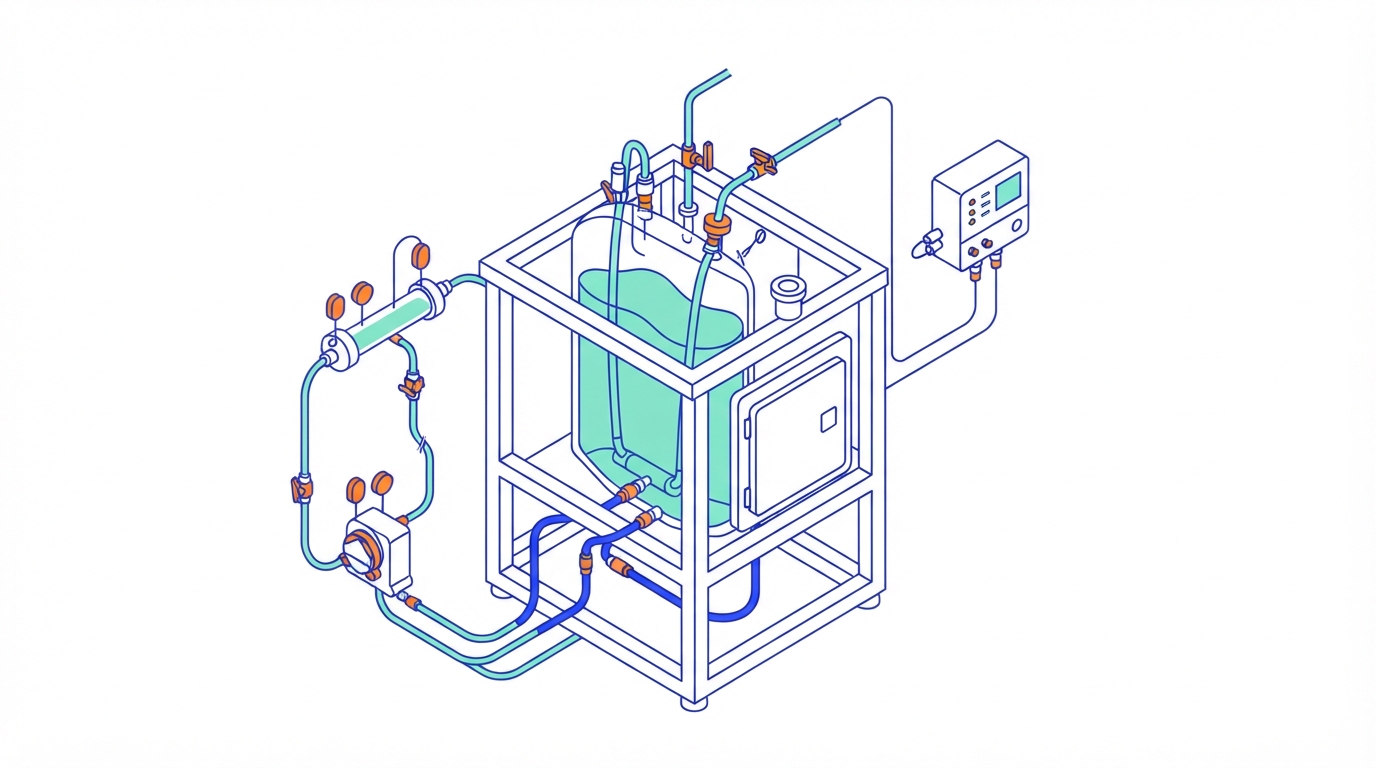
A Biotechnology Progress paper compared four single-use bioreactor designs for high-density CHO perfusion. Only one met both oxygen supply and CO2 removal at 50 and 1,000 L.