On 23 September 2026, Cellares and Seoul National University Hospital (SNUH) announced a proof-of-concept to evaluate whether SNUH’s manufacturing process for a gene-modified hematopoietic stem and progenitor cell (HSPC) therapy can be moved onto Cellares’ automated Cell Shuttle platform. The therapy targets paroxysmal nocturnal hemoglobinuria (PNH). This brief covers the manufacturing side only.
What is being tested
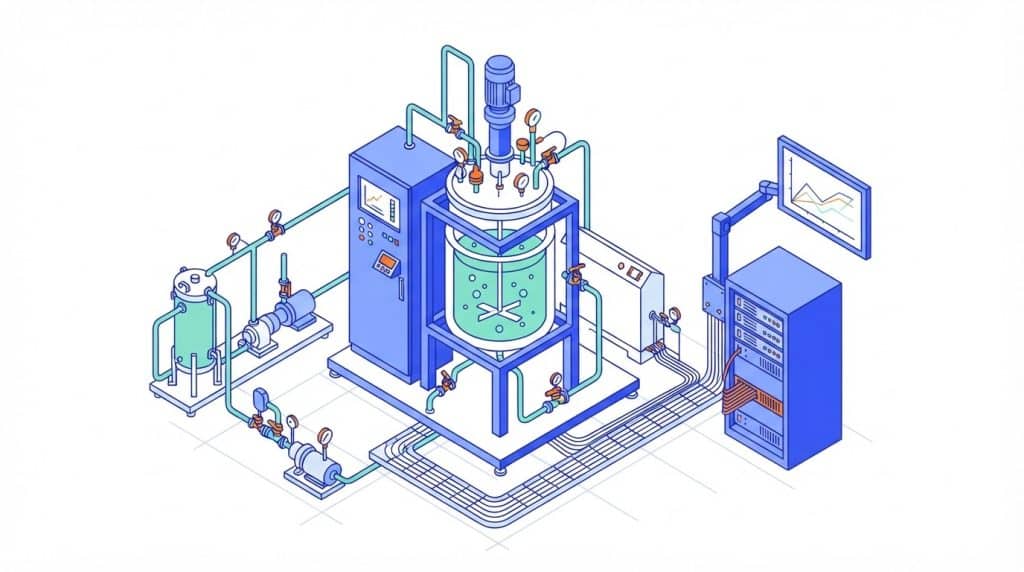
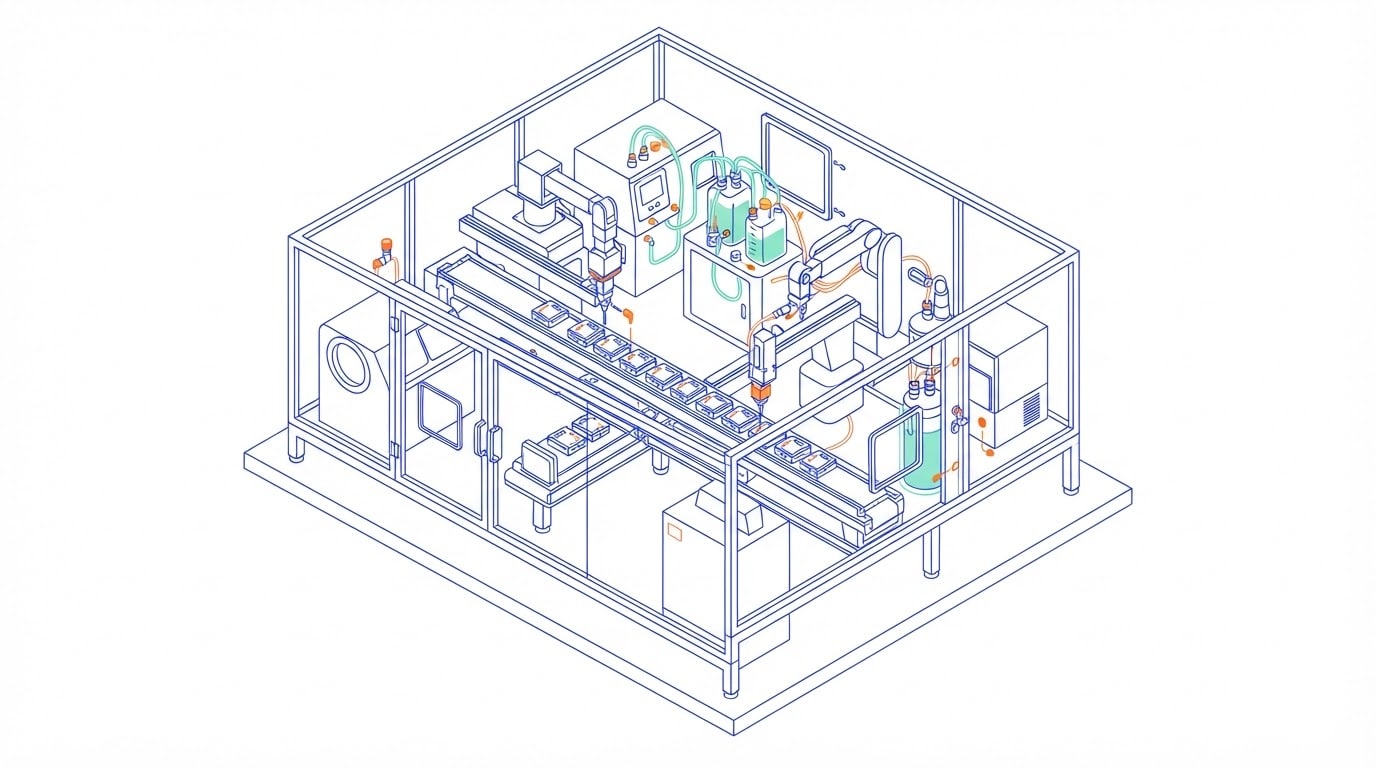
- Process translation. The collaboration will evaluate the translation of SNUH’s gene-modified HSPC manufacturing process to the Cell Shuttle, which Cellares describes as an end-to-end automated platform for autologous cell therapy manufacturing.
- Two-step transfection. The focus is on supporting a two-step transfection workflow through Cellares’ fully integrated, single-use electroporation module.
- Scope. Cellares will support preclinical development and IND-enabling manufacturing workflows, with the stated goal of a scalable manufacturing strategy for future U.S. clinical development of SNUH’s program.
- Stage. The release calls it a proof-of-concept that will assess the potential to automate the process. It reports no batch data, cell yields, transfection efficiencies, timelines or costs.
Why the process matters more than the partner
Cellares states that gene-modified HSC manufacturing remains labor-intensive, variable and difficult to scale. The test here is whether SNUH’s two-step transfection workflow can run inside an automated system. The director of the SNUH GMP Facility frames the goal as evaluating how automation can strengthen manufacturing reliability and scalability.
It is not Cellares’ first announcement on stem cell manufacturing: its newsroom lists a 3 February 2026 release titled “Cellares to Expand Automated Manufacturing to Gene-Edited Stem Cell Therapies”. The company says the SNUH deal is its second collaboration in Asia.
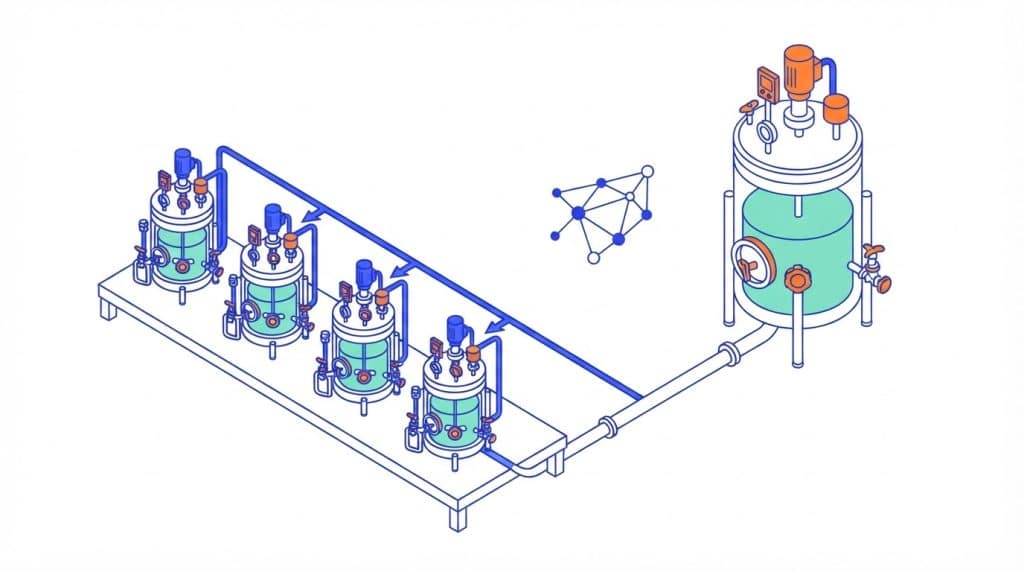
The platform figures in the release are Cellares’ own and are not tied to this project: up to 10 times more cell therapy batches than conventional CDMOs with comparable footprint and headcount, and a 100% automation success rate across more than a dozen automated processes.
What it means for a plant
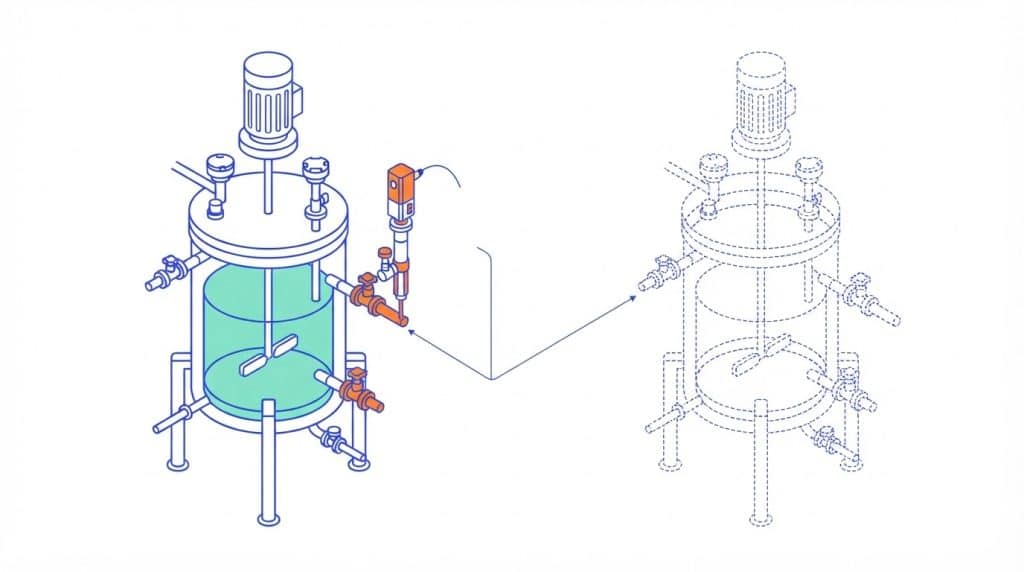
For process and MSAT teams, the useful signal is the unit operation: a two-step transfection workflow run through a single-use electroporation module integrated into the automated line. Moving such a step is where tech transfer usually needs comparability evidence between the manual and the automated process. The release publishes none yet, so the point to watch is whether the proof-of-concept results, and not only the partnership, are made public.