
🎣 Using a fishing metaphor, he described AI as enhancing prediction, replacing guesswork.
📊 Case studies from companies like Amgen showcased efficiency gains through deep learning and smart manufacturing.
👩🔬 Undey stressed the importance of skilled personnel in achieving these advancements.
🔄 The goal is a self-optimizing ecosystem, enhancing speed, cost-effectiveness, and sustainability.
Introduction:
This article discusses insights shared by Dr. Cenk Undey at the Bioprocessing Summit in Boston, focusing on the transformative potential of data, artificial intelligence (AI), and automation in the biomanufacturing landscape. Dr. Undey illustrates the necessity of moving beyond mere digital solutions to harness predictive capabilities that can significantly enhance biologics development and manufacturing processes.
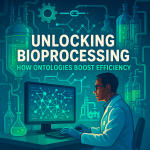
- Transitioning to Bioprocessing 4.0 involves integrating advanced analytics and machine learning with automated systems to improve the efficiency, speed, and cost-effectiveness of biologics production.
- Dr. Undey uses a personal anecdote to illustrate how AI can replace guesswork with predictive capabilities in bioprocessing.
- Several case studies highlight advancements in machine learning, including Amgen’s reduction of analysis time from 40 hours to 3 hours through deep learning techniques.
- Sanofi’s “iLab” initiative aims to scale digital transformation efforts across thousands of users and laboratories, emphasizing the importance of workforce upskilling and reskilling.
- The ultimate goal is to create a self-optimizing laboratory ecosystem that is not only efficient but also more environmentally sustainable.
Conclusion:
The insights presented at the Bioprocessing Summit indicate a pivotal shift in biologics development through the application of AI and automation. By fostering a culture that prioritizes skill development alongside technological advancement, organizations can ensure that their bioprocessing operations are not only competitive but also aligned with sustainable practices. The future promises a proactive ecosystem that anticipates needs rather than merely reacting to them.