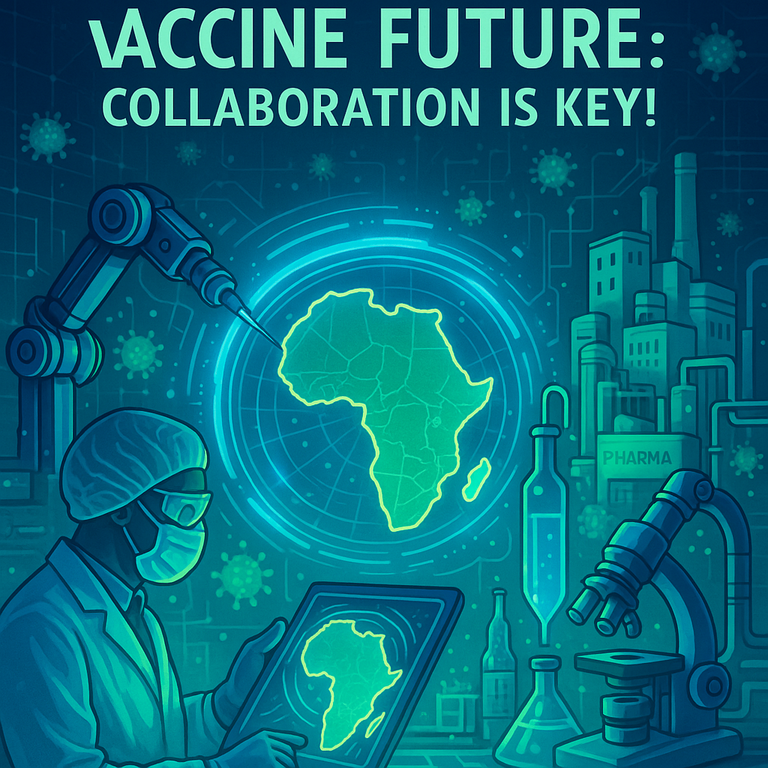
🏭 National efforts can hinder widespread capacity building. Countries like South Africa and Kenya are making progress, but isolation impedes broader development.
🔍 Access to technology and training is crucial. AI and automation can enhance research and manufacturing capabilities in Africa.
🏗️ With proper infrastructures, vaccine access can dramatically improve.
Introduction:
The article discusses the critical need for a robust vaccine manufacturing ecosystem in Africa, emphasizing the limitations of current national-level initiatives and the necessity for cross-border collaboration and support from contract development and manufacturing organizations (CDMOs) to enhance vaccine access across the continent.
- Current vaccine manufacturing efforts in Africa are often hindered by a lack of collaboration and public-private partnerships, which are essential for building a comprehensive ecosystem.
- National efforts to develop vaccine manufacturing capacities may exacerbate workforce challenges and impede overall capacity building due to small population sizes affecting economic viability.
- Access to bioprocessing systems and CDMOs is limited in Africa, which restricts local manufacturers from efficiently producing vaccines.
- Technological transfer and support from suppliers are critical for enhancing production capabilities and reducing supply timelines in emerging vaccine markets.
- Artificial intelligence and automation could play a role in enhancing local manufacturing capacity, but the focus should be on foundational capacity-building rather than solely on process optimization.
Conclusion:
The development of a sustainable vaccine ecosystem in Africa requires a shift from isolated national efforts to collaborative strategies that leverage local capabilities and technology transfer. Addressing workforce, supply, and capacity-building challenges through partnerships with CDMOs and suppliers will be crucial to improve vaccine accessibility and production on the continent. Future initiatives should prioritize building foundational capabilities while utilizing new technologies like AI to maximize impact.