Introduction:
Biopharmaceutical manufacturing is shifting towards cost effectiveness and resilience. Transitioning to smart operations requires the proactive use of data analytics and operations management to inform daily decisions. This article discusses the challenges in biopharmaceutical manufacturing and presents a roadmap for transitioning to smart operations.
- Key challenges in biopharmaceutical manufacturing include process uncertainty, batch-to-batch variability, manufacturing dynamics, and market pressure to meet growing demands at lower costs.
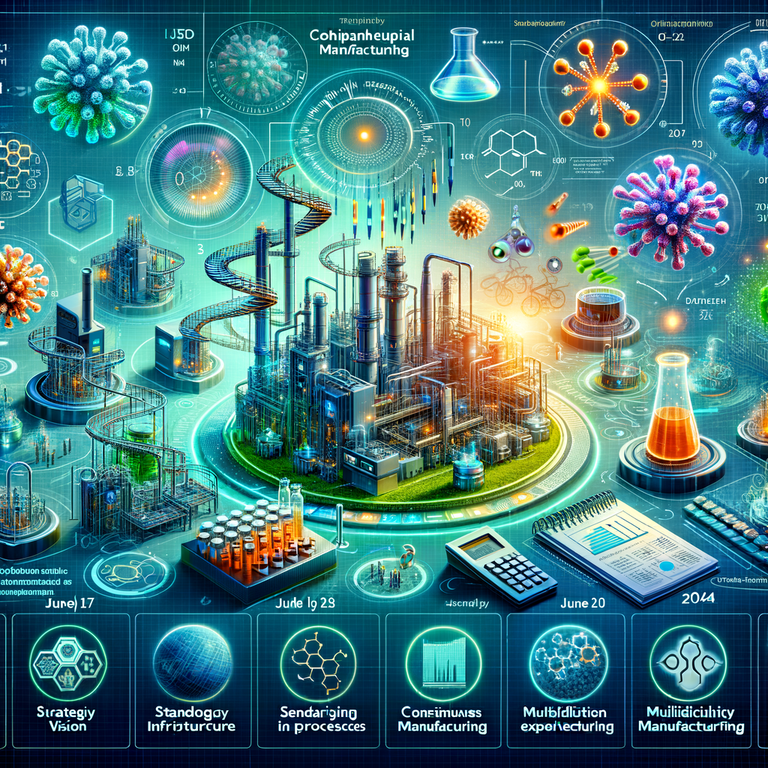
- Transitioning to smart operations requires a strategic vision and the right technology infrastructure, such as continuous manufacturing and real-time release testing.
- Continuous manufacturing systems generate large amounts of process data, which can be analyzed to achieve optimal performance.
- Standardizing processes and utilizing multidisciplinary expertise are crucial for improving operations and results.
- The roadmap presented in the study can inspire new research at the intersection of operations management, data science, and biomanufacturing.
Conclusion:
Transitioning to smart operations in biopharmaceutical manufacturing is essential for achieving cost effectiveness and resilience. By leveraging data analytics and operations management, biomanufacturers can optimize processes and improve overall performance. Standardizing processes and fostering multidisciplinary collaboration are key steps in this transition. The roadmap presented in the article can guide future research and industry practices in the field.