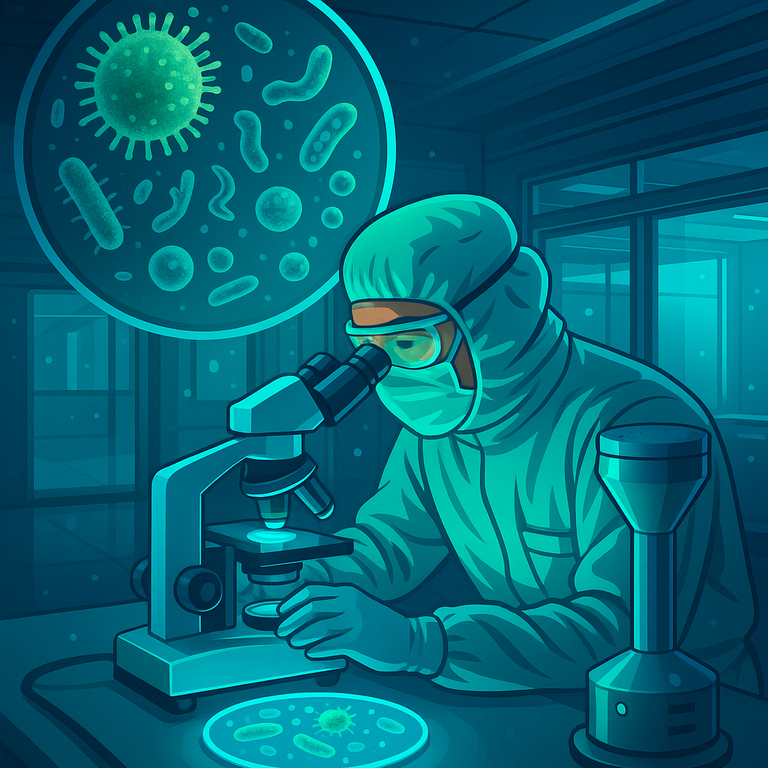
🔍 These contaminants come from various taxonomic groups, emphasizing the need for improved monitoring.
💡 High-volume air sampling identified bacteria linked to operators, highlighting persistent contamination risks.
🔄 Semi-open cleanroom designs can reduce contaminant transfer and improve efficiency.
⚠️ Advanced detection methods are crucial to ensure safety before patient treatment.
Introduction:
The article discusses the findings of recent research that reveals the limitations of traditional monitoring methods in cleanroom environments. It emphasizes the need for advanced microbiome analysis techniques to detect previously unrecognized microbial contaminants that pose risks in pharmaceutical and therapeutic product manufacturing.
- Conventional monitoring methods, focused on culture growth, overlook significant microbial diversity in cleanrooms.
- New microbiome analysis techniques identified multiple taxonomic groups of microbes that previous methods failed to detect.
- Skin-related and environmental bacteria were found in various cleanroom grades, indicating persistent contamination despite regulatory efforts.
- Localized airflow patterns and work activities are influential in microbial distribution, challenging existing cleanroom zoning protocols.
- Innovative air-barrier cleanroom designs are proposed to minimize contamination, along with advancements in detection methods to identify residual risks.
Conclusion:
The study underscores the importance of integrating advanced sequencing technologies alongside traditional methods to enhance microbial monitoring in cleanrooms. While complete microbial elimination is unattainable due to the nature of human involvement, improved detection strategies can help manage and mitigate contamination risks effectively, ultimately safeguarding product integrity before reaching patients.