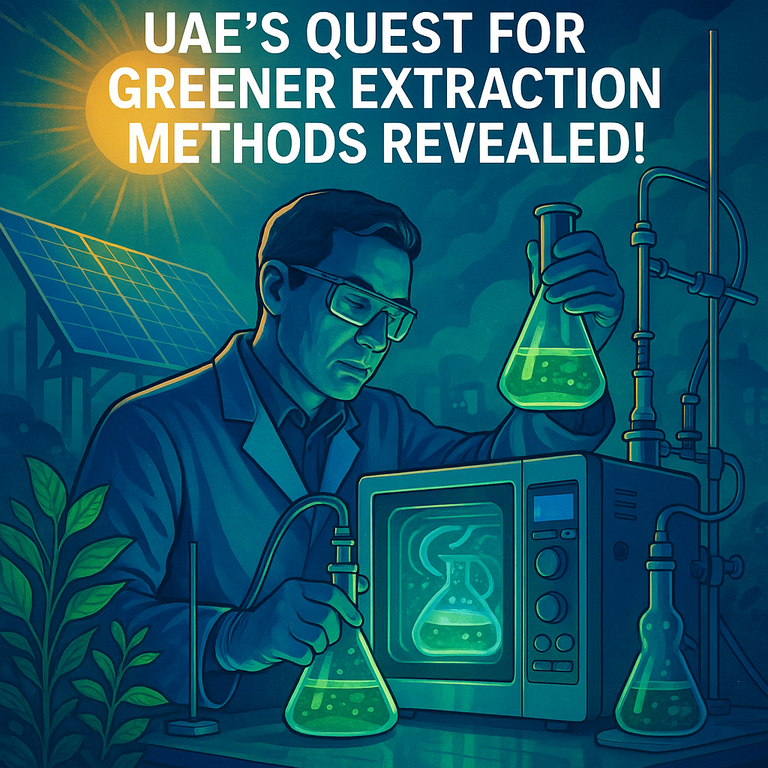
🔬 Techniques like microwave-assisted extraction minimize harmful chemicals and energy use. Transitioning requires investment but offers significant environmental benefits.
🏗️ The UAE has a track record of successfully undertaking large projects, implying a potential for successful bioprocessing improvements.
Introduction:
The article explores the potential for enhancing sustainability within the bioprocessing sector in the United Arab Emirates (UAE) through the adoption of green extraction techniques. Highlighted by the country’s impressive solar energy capacity, the discussion centers on innovative methods to minimize environmental impact while improving drug development processes.
- The UAE is recognized for its commitment to sustainability, particularly in solar energy, and aims to extend this commitment to bioprocessing.
- Research led by Khalil Rafiq Al-Battat identifies traditional drug development as energy-intensive and environmentally harmful, underscoring the need for greener alternatives.
- Green extraction techniques, such as supercritical CO2 and microwave-assisted extraction, are promising solutions for improving sustainability in bioprocessing.
- Investment in environmentally friendly extraction methods can significantly reduce energy consumption and solvent usage in pharmaceutical production.
- Building a greener bioprocessing infrastructure in the UAE is feasible, drawing parallels with the country’s successful completion of massive construction projects like the Burj Khalifa.
Conclusion:
The movement towards greener bioprocessing in the UAE represents an essential opportunity to align the pharmaceutical industry with sustainability goals. By investing in innovative extraction technologies, the UAE can minimize environmental harm and enhance the efficiency of drug development, positioning itself as a leader in sustainable bioprocessing initiatives.