🤖 The article highlights AI’s role in reducing time and costs in experiments.
🔬 This innovation allows researchers to access biological data more efficiently.
🌱 Ultimately, it promises accelerated advancements in fields like medicine and agriculture. The future of biology looks bright!
Introduction:
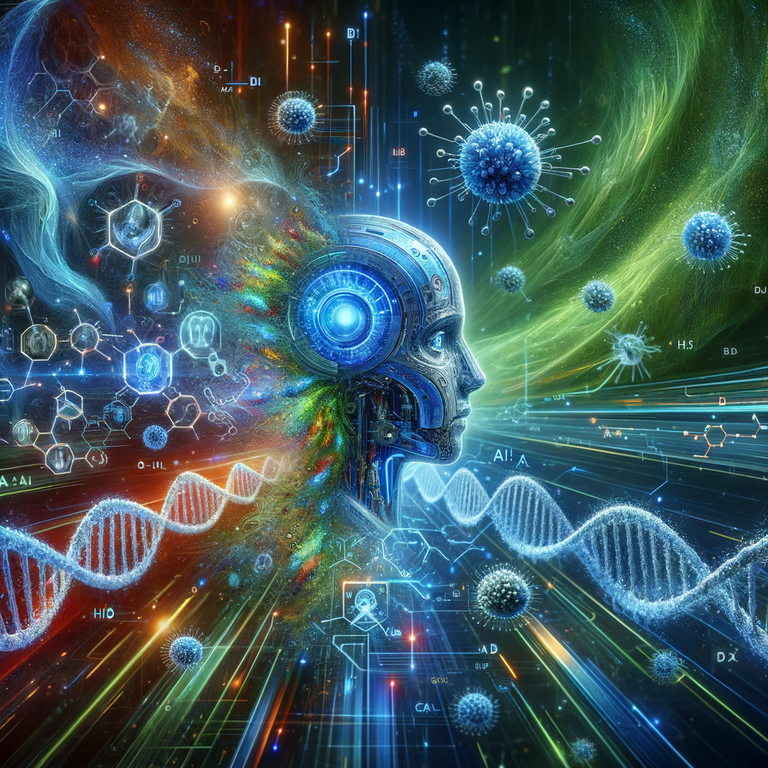
The article titled “Breaking the Bottleneck: On-Demand Biology in the Age of AI” explores the transformative potential of artificial intelligence (AI) in biological research and its application in biotechnology. The author discusses the challenges and limitations currently faced in biological processes and highlights how AI can mitigate these obstacles through on-demand solutions.
- AI technologies can streamline biological research by automating data analysis and interpretation, effectively reducing the time and resources required for experimental processes.
- The integration of AI in bioinformatics enhances the accuracy of genomic data analysis, facilitating personalized medicine and targeted therapies.
- AI-driven platforms allow for real-time monitoring and adjustments during biological experiments, improving the efficiency and reproducibility of research outcomes.
- On-demand biology powered by AI enables customized solutions tailored to specific research needs, providing flexibility and adaptability in experimental design.
- The potential ethical concerns surrounding the use of AI in biology are addressed, emphasizing the importance of responsible AI deployment in research to ensure safety and integrity.
Conclusion:
The article emphasizes that AI is poised to revolutionize the field of biology by overcoming existing bottlenecks and enhancing the efficiency of research. The implications for future research directions include the necessity for ongoing discussions on ethical concerns and the importance of developing standardized frameworks for AI application in biological sciences. As AI technologies continue to evolve, they hold significant promise for advancing biomedical innovation and improving patient outcomes.