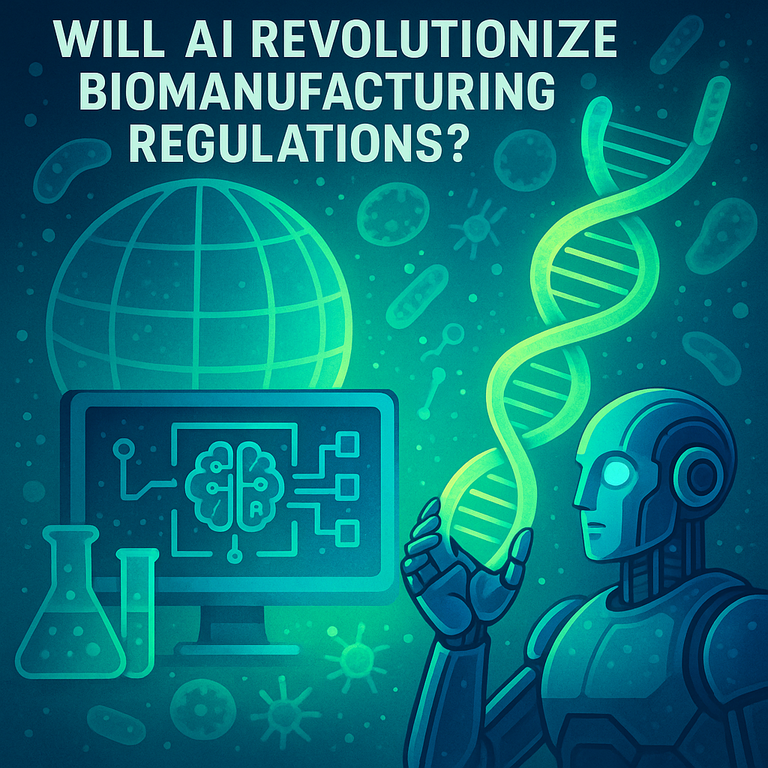
🌍 Meanwhile, the EMA is developing AI guidelines for better efficiency. However, clear regulations on AI use in manufacturing remain elusive.
🔄 Researchers call for flexible, adaptive regulatory frameworks. They’re essential for innovation while ensuring public safety.
🌐 Collaboration is crucial. A unified global approach can help maintain high standards in healthcare technology.
Introduction:
The integration of artificial intelligence (AI) within the biomanufacturing sector presents promising advancements for drug regulation and oversight. However, there remains a significant gap in specific regulatory frameworks governing the safe and effective utilization of AI technologies in manufacturing processes. This article explores recent developments in AI regulation by various drug regulatory entities and underscores the need for adaptable and harmonized guidelines.
- Drug regulators, including the FDA and EMA, are increasingly adopting AI technologies to enhance their efficiency but lack clarity on regulating AI in manufacturing contexts.
- AI is becoming integral to drug development, but current regulations do not adequately address its application in manufacturing processes.
- Regulatory bodies must develop flexible, adaptive regulatory frameworks that can keep up with the rapid evolution of AI technologies.
- Capacity building, including establishing AI-focused teams and continuous training for regulators, is essential for adapting to AI advancements.
- There is a critical need for international harmonization of AI regulations in the pharmaceutical industry to prevent fragmented and incompatible guidelines across different countries.
Conclusion:
As AI technology becomes more prevalent in biomanufacturing, regulatory agencies must reconsider and revamp existing frameworks to accommodate this shift. An innovative and collaborative regulatory approach will ensure that AI integration enhances public health and safety in drug manufacturing. Developing global harmonized regulations will also facilitate a cohesive advancement in AI applications across the pharmaceutical landscape.