🔬 Researchers from Vignan’s Foundation explore innovative bioprocessing methods to enhance PBP production.
🚀 These pigments show promise in biomedical applications, like cancer therapy and drug delivery.
💡 Smarter engineering, AI, and genetic tools can optimize their production.
🌱 This approach may lead to sustainable alternatives in various industries.
Introduction:
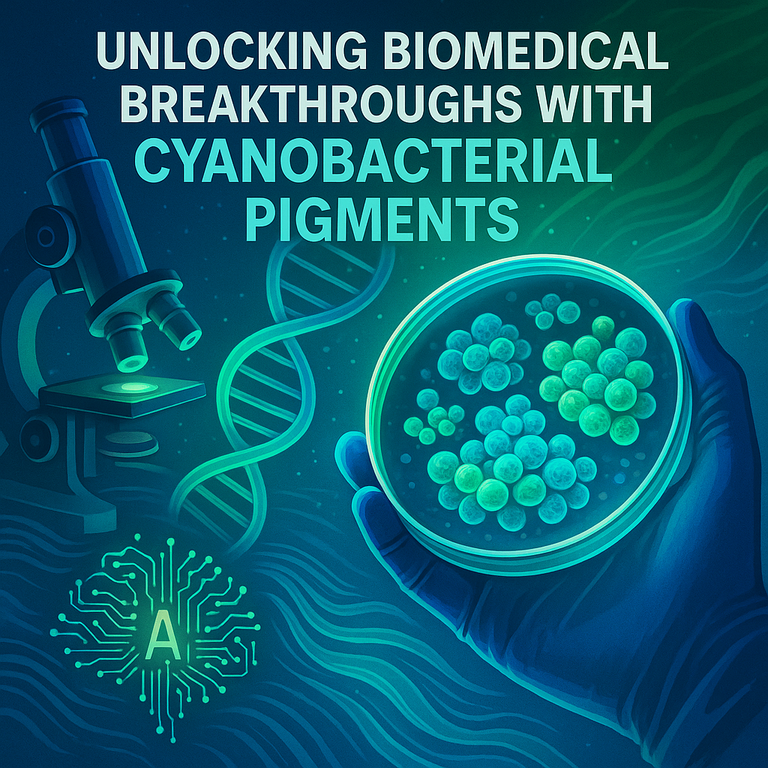
The article discusses groundbreaking advancements in the biomanufacturing of phycobiliproteins (PBPs), valuable pigments derived from cyanobacteria, which are emerging as vital components in the fields of biomedicine and industrial applications. Utilizing innovative bioprocessing strategies developed by scientists at Vignan’s Foundation for Science, Technology, and Research in India, the production of these pigments has the potential to be significantly enhanced, making them more accessible for varied applications, including cancer therapy and drug delivery.
- Phycobiliproteins (PBPs) are not only essential for photosynthesis in cyanobacteria but also possess properties that combat oxidative stress and inflammation, opening new avenues for biomedical applications.
- The production of PBPs faces numerous industry challenges, including high costs and slow growth rates of cyanobacterial strains, necessitating smarter bioprocess engineering.
- Innovative strategies, such as optimizing nutrient supply and manipulating environmental conditions (light, temperature, pH), can dramatically enhance PBPs production efficiency.
- Advanced engineering solutions like next-generation photobioreactors and AI-driven cultivation practices can facilitate improved production scales and lower operational costs.
- Despite progress, obstacles remain in the extraction and purification processes of PBPs, as well as regulatory challenges concerning engineered strains which could delay commercial applications.
Conclusion:
The promising advancements in cyanobacterial pigment production herald a shift towards more sustainable, biologically-based alternatives for various industrial applications. By fostering collaborations between academia and industry, there is potential to leverage these innovations effectively, thereby moving PBPs from niche products to mainstream solutions in biomedicine and bioprocessing. This could drive greener practices while contributing to a new era of biomedical technologies.