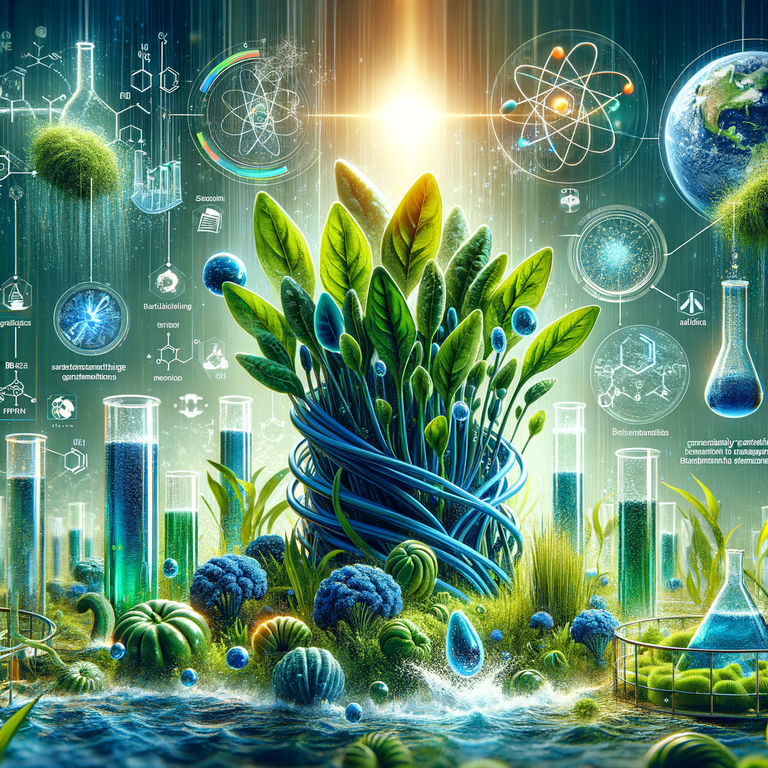
The article discusses the potential of **Spirulina**, a blue-green algae. 🦠 It produces metabolites that may treat various diseases.
💧 Spirulina thrives in diverse environments, making it easy to cultivate. It can be farmed sustainably using rainwater. 🌱
🔬 More research is needed to confirm its effectiveness in biopharmaceuticals. Promising, but challenges remain. 🧬
Introduction:
This article discusses the bioprocessing potential of blue-green algae, specifically Spirulina, by exploring its capabilities in producing valuable metabolites and the challenges associated with its cultivation for pharmaceutical applications.
- Spirulina can produce metabolites that have potential applications in treating various diseases, including bacterial infections and cancer.
- It thrives in diverse environments, showcasing adaptability by utilizing both photosynthesis and sulfur-based chemical reactions for metabolism.
- Farming Spirulina is water-intensive, but sustainable methods such as rainwater usage and media recycling can improve its cultivation.
- Adjusting growing conditions, such as light exposure in photobioreactors, can optimize the production of specific metabolites like vitamin B12.
- Further research is necessary to validate Spirulina’s therapeutic applications and fully harness its potential in biopharmaceuticals.
Conclusion:
The article emphasizes the promise of Spirulina as a resource for biopharmaceutical development. However, it highlights the need for continued investigation to confirm its efficacy and optimize the conditions for its cultivation and use as a bioactive material in disease prevention and treatment.