🌱 Plant cells offer advantages such as the ability to produce complex proteins and sequester toxic molecules.
🌱 Plant glycosylation mechanisms can be overcome through genetic modification.
🌱 Plant cell expression systems have cost benefits compared to animal cell systems.
🌱 Plant-based production is scalable and can be carried out in greenhouses, reducing costs.
Introduction:
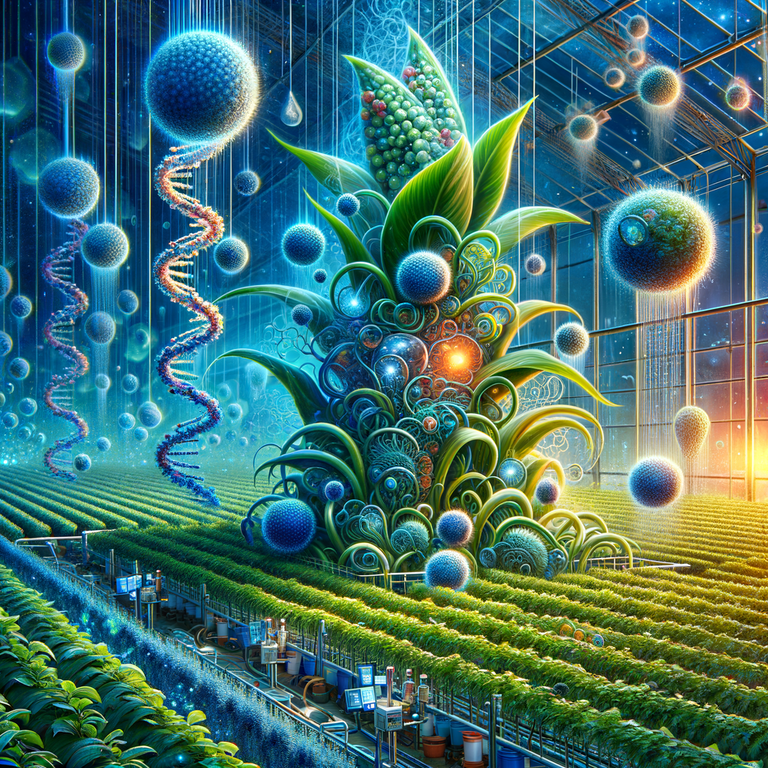
This article discusses the potential of genetic engineering in producing commercial-scale plant-based protein. It explains that while plant-based expression systems have advantages over other systems, they have not been widely used for protein production. The article highlights the benefits of genetic modification in overcoming the issue of plant glycosylation mechanisms and reducing the cost of goods sold. It also emphasizes the scalability of plant-based production and the compatibility of downstream processing operations with mammalian cell-based expression systems.
- Genetic engineering can help biopharma achieve commercial-scale, plant-based protein production.
- Plant cells have advantages over other systems, such as the ability to produce complex proteins and sequester toxic molecules.
- Glycosylation mechanisms in plants can be modified to add the same sugar residues as in humans.
- Plant cell expression systems offer cost benefits, as plant cultivation is cheaper than animal cell cultivation.
- Plant-based production is easily scalable, and downstream processing operations can be carried out using technology used for mammalian cell-based expression systems.
Conclusion:
Genetic engineering holds promising potential for commercial-scale plant-based protein production. By overcoming the challenges associated with plant glycosylation mechanisms and offering cost and scalability advantages, plant-based expression systems could become a viable option for biopharma in the future. Further research and development in this field could lead to the widespread use of genetic engineering in producing plant-based proteins.