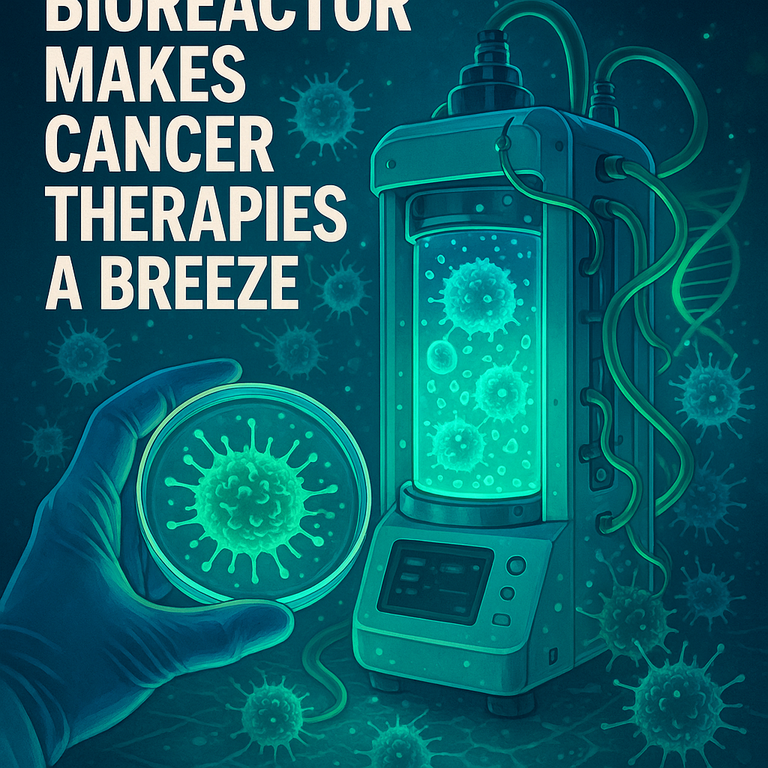
🔬 Developed by Richard C. Koya and team, this “plug-and-play” bioreactor simplifies T cell engineering.
⏳ It reduces labor, time, and blood collection needs, allowing for rapid cell generation.
💪 The resulting T cells show improved longevity and effectiveness against cancer.
🚀 This innovation could make advanced treatments more accessible for patients.
Introduction:
The article presents an innovative automated approach developed by Richard C. Koya, MD, PhD, and his colleagues at the University of Chicago, aimed at streamlining the production of personalized T-cell therapies for cancer treatment. This advancement in T-cell receptor-engineered T cells (TCR-T) promises to improve patient outcomes while reducing the associated burdens of the current therapies.
- The new automated system utilizes a “plug-and-play” hollow-fiber bioreactor that integrates critical steps in TCR-T cell production: activation, transduction, and expansion.
- This method requires a smaller quantity of starting material, significantly reducing the need for extensive apheresis procedures and minimizing patient discomfort.
- The automated process allows for the generation of billions of engineered T cells in under ten days, thereby expediting the treatment timeline.
- Cells produced through this approach demonstrate enhanced characteristics, such as a T central memory phenotype, which is associated with improved longevity and anti-tumor efficacy.
- This system dramatically reduces the complexity of the manufacturing process, enabling it to be managed by a single operator and lowering the risk of contamination.
Conclusion:
This novel method holds great potential for broader accessibility to personalized immunotherapies, promising to reduce the physical burden on patients while also improving the effectiveness of TCR-T treatments. Continued testing and validation of this system could facilitate its adoption within clinical settings, ultimately enhancing patient care in the realm of cancer therapy.