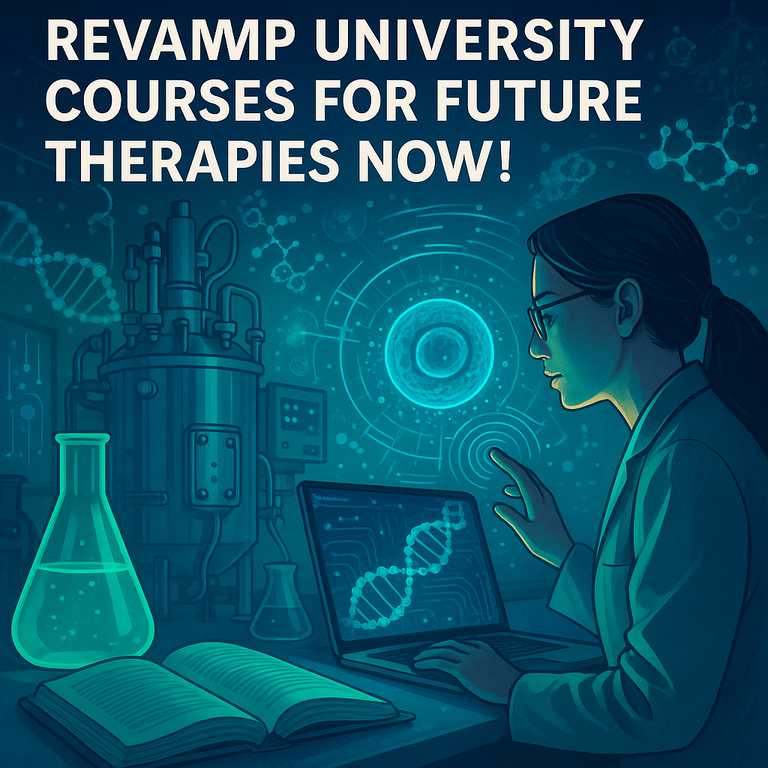
🔍 Research shows a lack of specialized training in top institutions. Skills in workflow design and automation are increasingly important.
🤝 Collaborations with biotech firms for internships and hands-on experiences are essential.
💻 Virtual simulations could also help overcome facility access issues in training.
Introduction:
The article discusses the pressing need for universities to enhance educational curricula to adequately prepare engineering students for careers in cell and gene therapy manufacturing. Author Andy Tay emphasizes that current educational programs are largely focused on traditional biopharmaceutical production techniques, which do not address the specialized skills required for this emerging field.
- The current educational landscape for cell and gene therapy is inadequate, with few programs offering the necessary training.
- Manufacturing processes for cell and gene therapies are distinct from traditional drug production, necessitating a different set of skills and knowledge.
- Specific subjects, such as workflow design, are insufficiently covered in current curricula, which could lead to skill gaps in the industry.
- Collaboration with biotechnology firms for internships and practical training could enhance educational offerings and student preparedness.
- Virtual training technologies may provide additional avenues for education in cell manufacturing processes, addressing facility access issues.
Conclusion:
In conclusion, the call for universities to revamp their curricula in alignment with the needs of the cell and gene therapy sector is critical. By integrating specialized training modules and fostering partnerships with industry, educational institutions can better prepare students for high-demand roles in this field. Additionally, leveraging virtual technologies may present creative solutions to overcome logistical challenges associated with traditional training methods.