
🔍 In-line analytics and AI-linked sensors are enhancing process visibility.
🔗 Standardized protocols are essential for interoperability among vendors.
🤖 Automation and real-time data insights will improve efficiency in manufacturing.
📈 The future promises more automated processes, integrating AI for robust biotherapeutics.
Introduction:
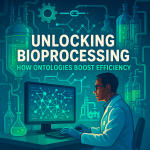
This article discusses the ongoing transformation in bioprocessing technology, focusing on the transition from traditional monitoring methods to more integrated systems utilizing real-time analytics and advanced sensors. The advancement toward unified platforms promises to enhance efficiency, improve automation, and facilitate data-driven decision-making in biomanufacturing processes.
- Current bioprocessing technologies face limitations in developing complex biologics, prompting a shift toward in-line monitoring and analytics for better process visibility.
- Integrated platforms that combine sensing, analysis, and control are being developed to enhance process management and mitigate reliance on retrospective data.
- Struggles with connectivity and communication among diverse equipment from different vendors hinder seamless integration and workflow efficiency within bioprocess systems.
- Adoption of standardized communication protocols, such as the Open Platform Communication (OPC) standard, is critical for enabling interoperability among devices and enhancing data integration.
- Future advancements in automation and AI are expected to significantly streamline sampling and analysis processes in biomanufacturing, with increased integration of real-time data leading to more responsive systems.
Conclusion:
The shift toward unified platforms in bioprocess monitoring and control highlights the need for enhanced connectivity, standardization, and automation. These developments aim to improve operational efficiency and reduce the risks associated with biomanufacturing. As technology evolves and regulatory frameworks adapt, the future of bioprocessing will see a more automated, interconnected approach that relies heavily on real-time data and intelligent decision-making.