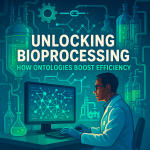

🔬 These technologies analyze data, optimize pathways, and create efficient microbes for drug-resistant infections, boosting therapeutic production.
🌱 While AI aids in developing compounds, innovations in genetic engineering are also crucial. Together, they promise significant advancements in bioprocessing.
Introduction:
The article discusses the transformative role of artificial intelligence (AI) and machine learning in the fields of pharmaceutical research and microbial engineering. It highlights how these technologies can enhance the efficiency and effectiveness of producing biotherapeutics by optimizing microbial processes and addressing various production challenges.
- AI and machine learning can analyze large datasets and optimize metabolic pathways, significantly improving microbial production processes.
- These technologies can assist in developing efficient microbes for the sustainable production of biotherapeutics, especially against drug-resistant infections.
- AI-based tools can help manage the production of lipophilic compounds, which typically pose challenges during microbial fermentation.
- Membrane engineering techniques in combination with AI may facilitate the enhancement of microbial cell membranes, breaking the limits of lipophilic compound production.
- AI alone cannot solve all problems; comprehensive advancements in genetic engineering and related disciplines are also crucial for the optimization of microorganisms.
Conclusion:
The integration of AI and machine learning into microbial engineering holds promise for advancing bioprocessing and improving the production of complex biological compounds. By addressing key challenges alongside innovations in other scientific areas, these technologies could significantly catalyze the development of novel and effective therapeutics for various medical needs.