Primary source Food Standards Agency: Review: Technical Production Methods of Precision-Fermented Foods
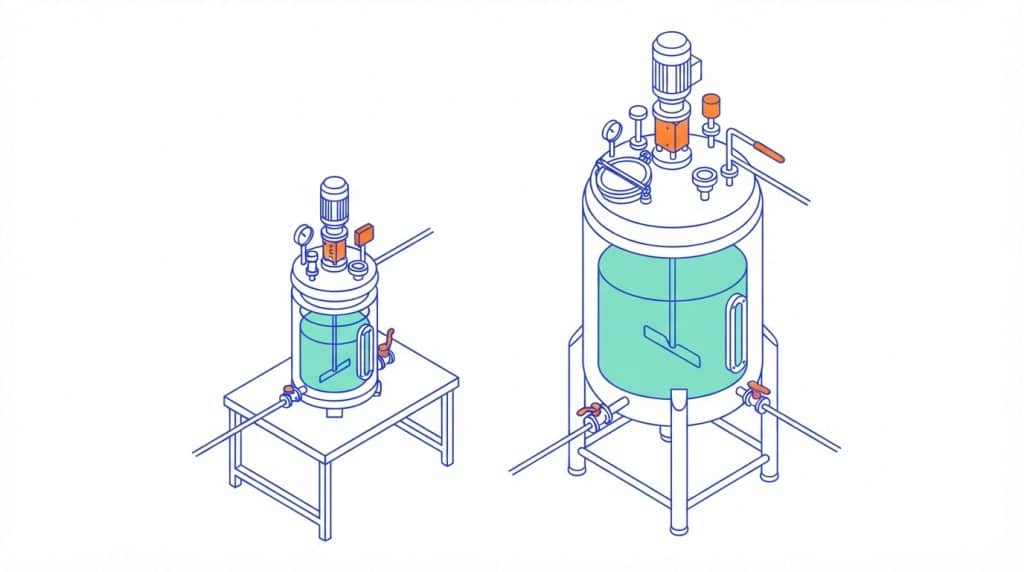
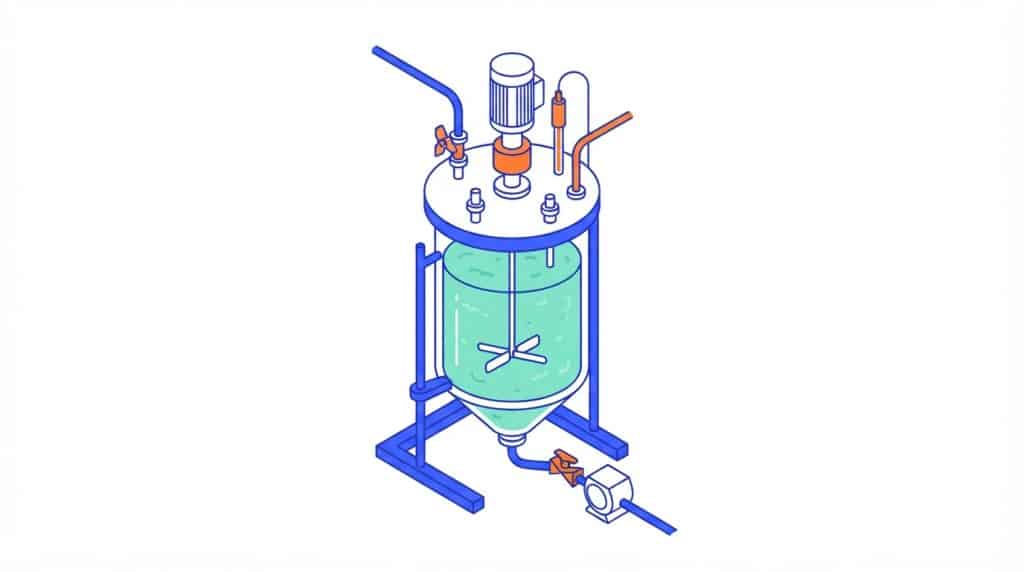
Precision fermentation uses genetically modified microorganisms, grown in a closed tank, to make one specific food ingredient, such as a milk protein, instead of a whole food. The microbe is engineered to produce the target molecule, and the tank output is then purified.
How it differs from traditional fermentation
In natural fermentation, microbes that happen to be on the raw material or equipment do the work, with no pure cultures or engineered strains added. It is culturally important but lacks standardisation. Traditional fermentation adds a starter culture, as when a bit of an earlier sourdough batch is mixed into new dough.
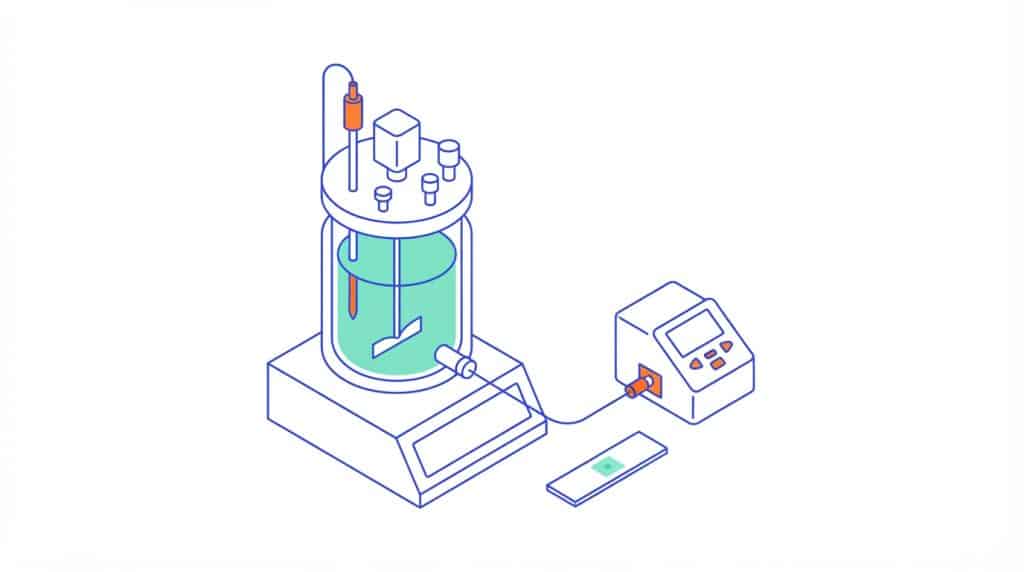
Precision fermentation is a controlled process. An engineered strain grows in sterile conditions, with pH, temperature and aeration (air supply) closely monitored. The product is a specific functional component, for example a protein or an enzyme, not the fermented food itself.
Which microbes do the work
Industrial production mostly uses yeasts and filamentous fungi (moulds that grow as threads), plus some Bacillus bacteria. The choice depends on the target. A simple enzyme can come from the bacterium E. coli, which grows fast. Complex animal proteins such as caseins (milk proteins) or collagen need a host that can fold and chemically modify the protein after it is built (post-translational modification), such as the yeasts Komagataella phaffii or Saccharomyces cerevisiae.
Each host has a trade-off. Filamentous fungi secrete proteins well and grow on cheap substrates, but they grow slowly, so batches stay longer in the bioreactor and tanks must be bigger. Bacteria and yeasts grow rapidly, but many give low yields and are harder to recover product from.
The steps in the plant
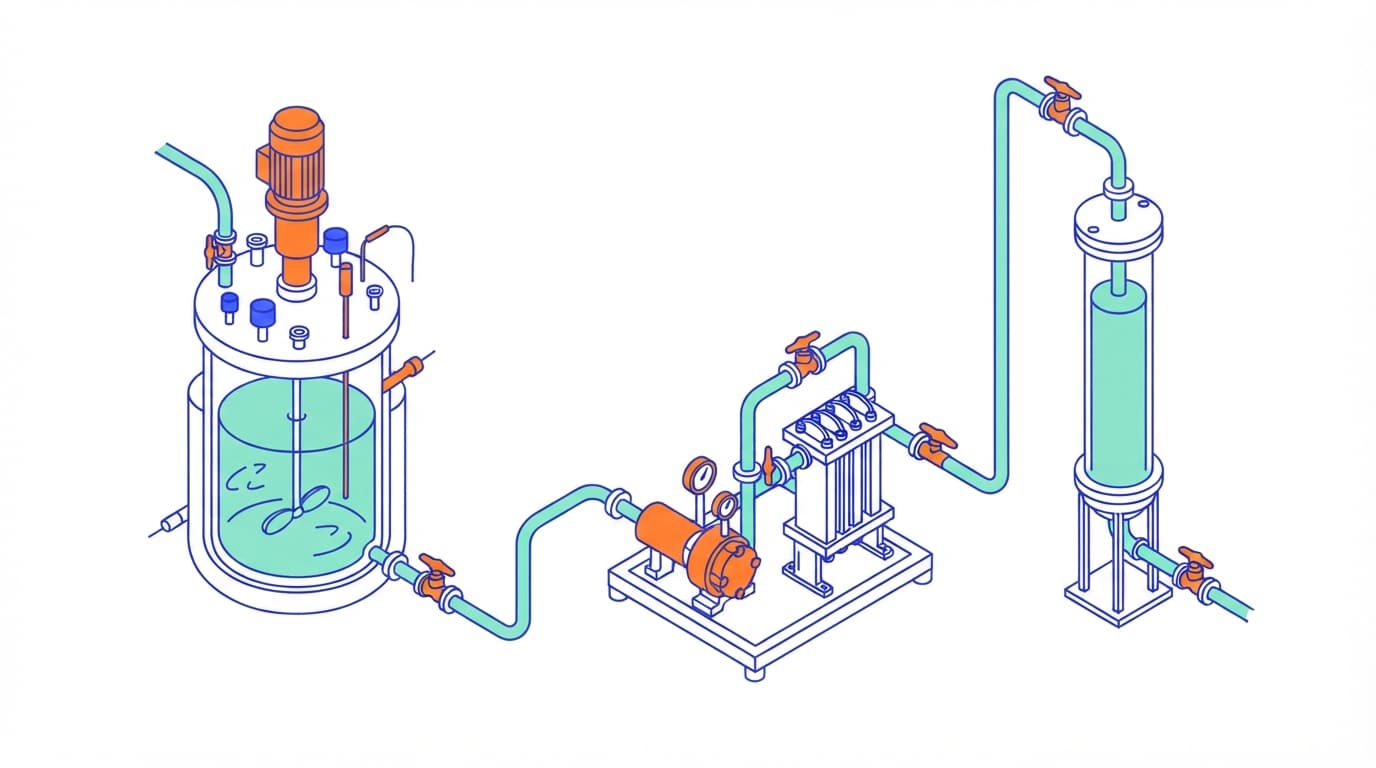
Upstream (everything before harvest): prepare the growth medium, build up a seed culture, sterilise the bioreactor, combine seed and sterile medium, and start production while monitoring conditions. Downstream (everything after): harvesting, extraction, membrane filtration, chromatography and stabilisation of the final ingredient.