Pfizer scales intensified perfusion process from 100 L to 500 L
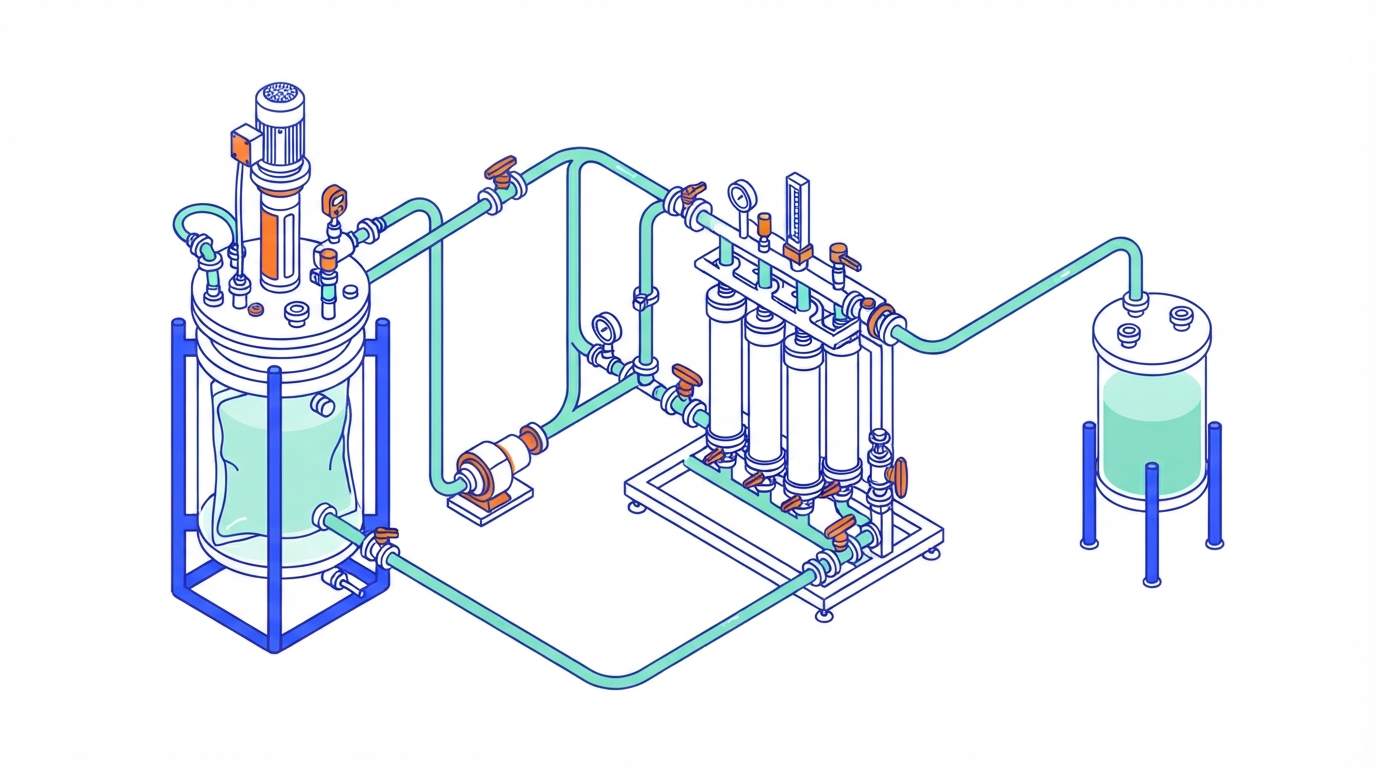
Pfizer reports scaling its HILVOP dynamic perfusion process to 500 L, with TFF membrane fouling as a key scale-up risk.
Pfizer reports scaling its HILVOP dynamic perfusion process to 500 L, with TFF membrane fouling as a key scale-up risk.
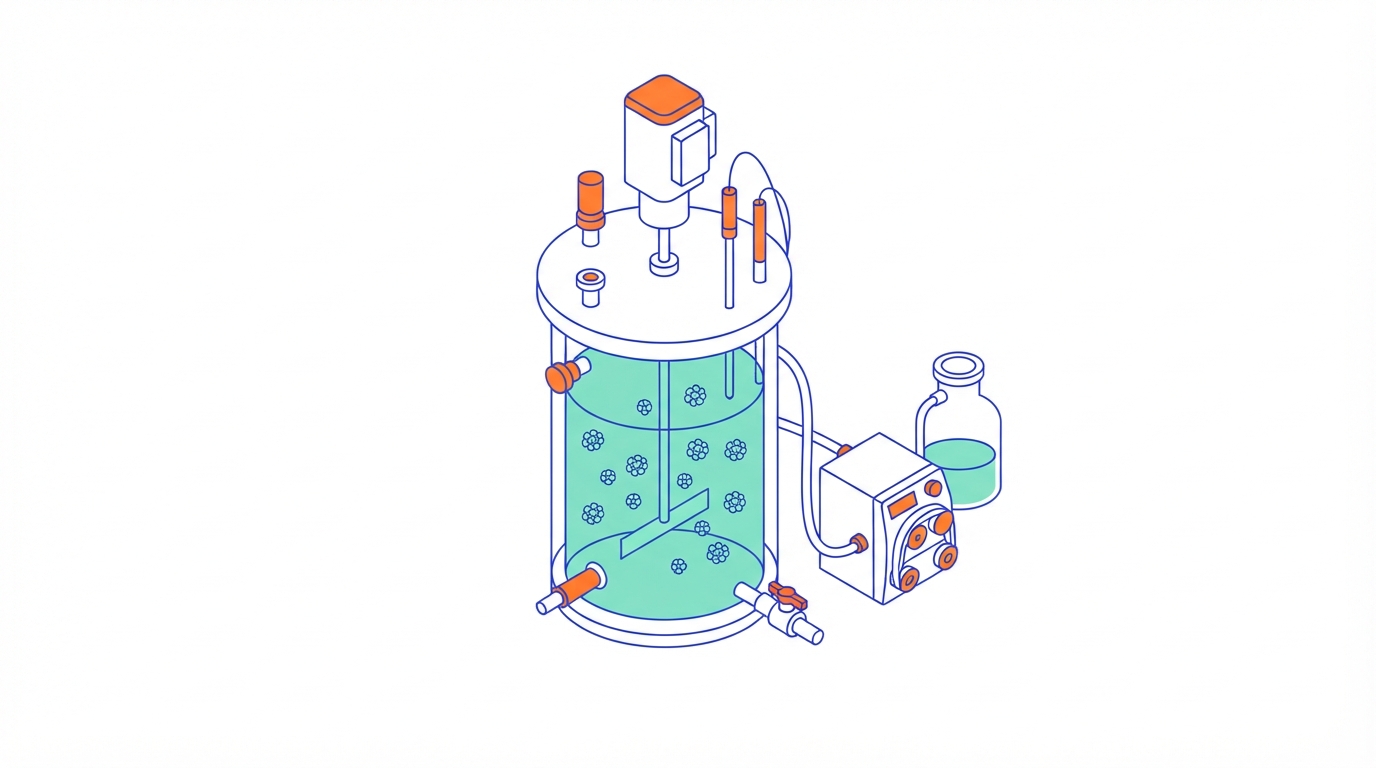
Cornell, Harvard and Utrecht researchers grow kidney ureteric bud and collecting duct organoids on ECM microcarriers in stirred bioreactors, per a new preprint.
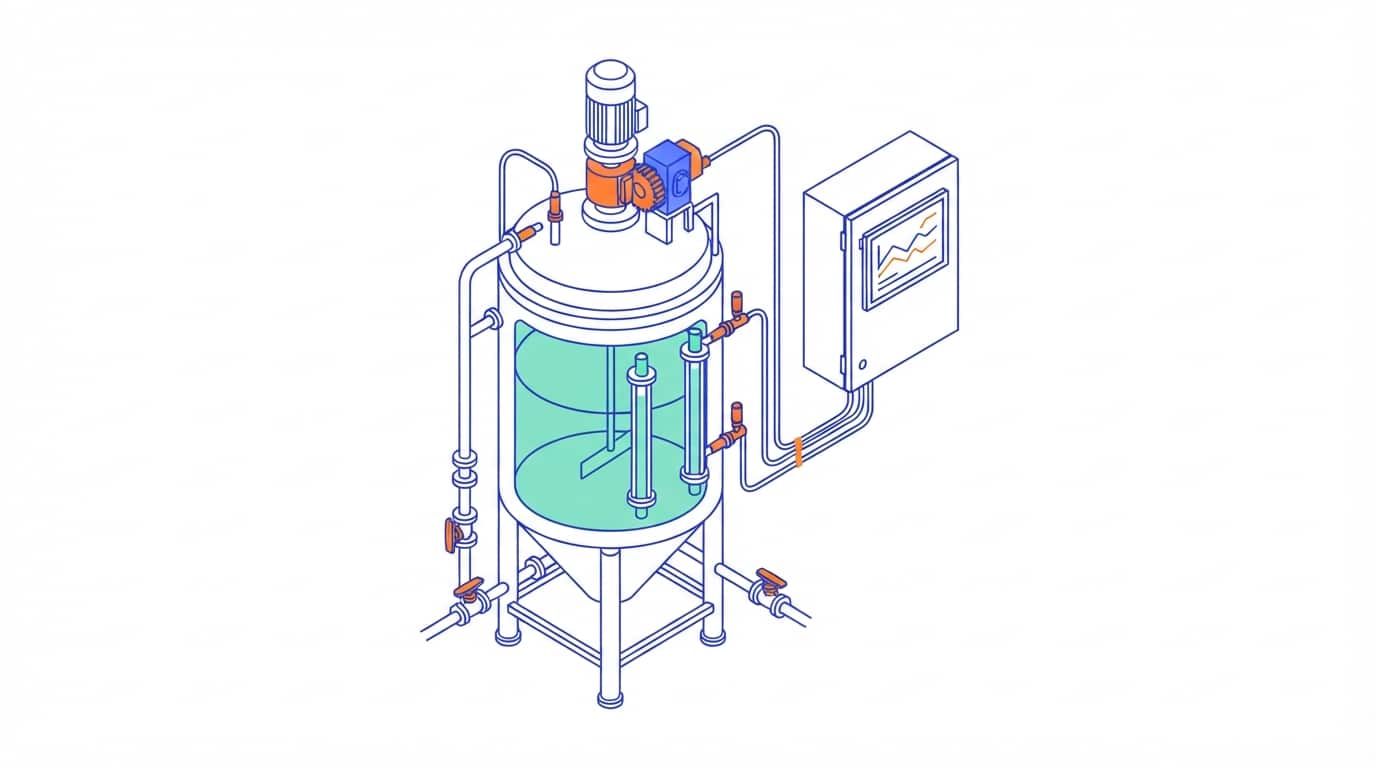
A bioRxiv preprint on simulated penicillin batches shows adding deviation batches to soft-sensor training cuts deviation-batch RMSE 19.7% without hurting normal-run accuracy.
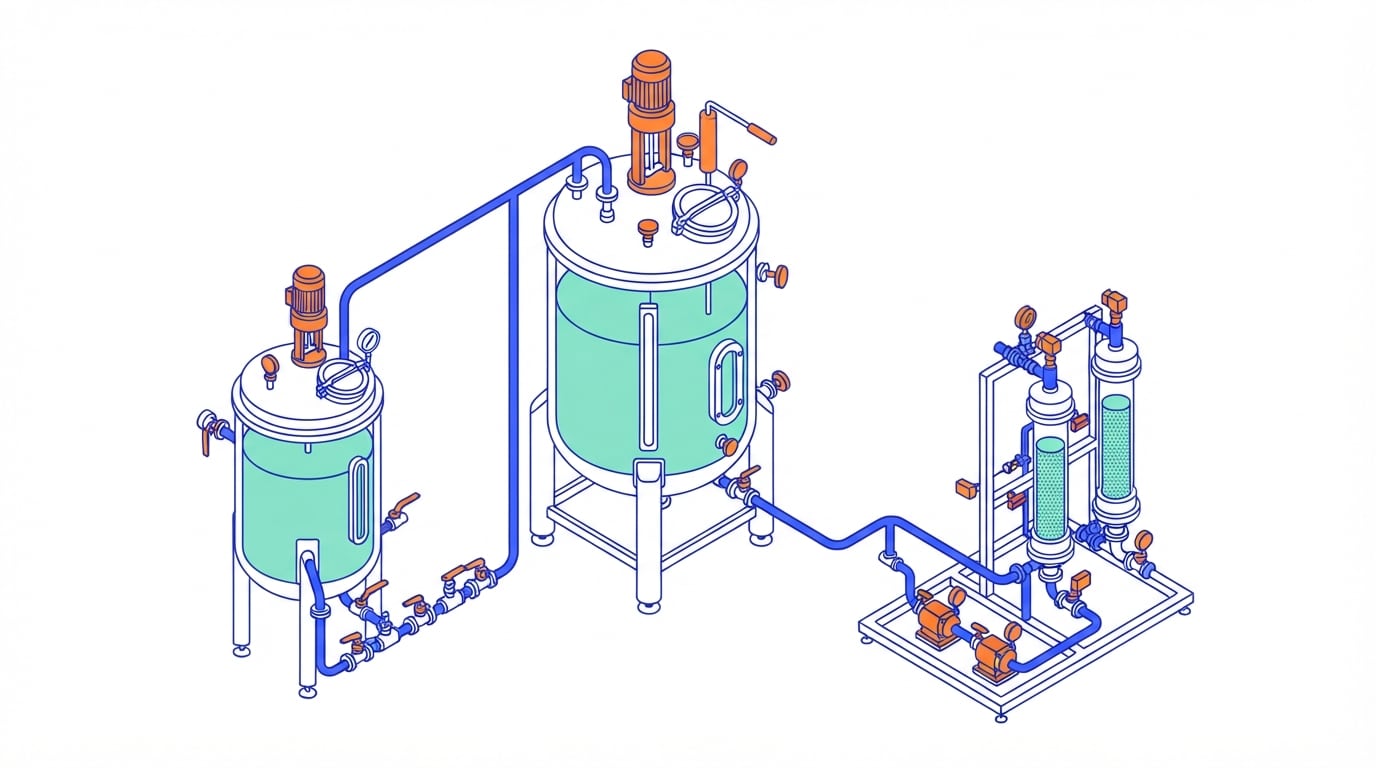
Flen Health taps AGC Biologics’ Heidelberg site to make recombinant lactoperoxidase and glucose oxidase to GMP, pharma-grade standards.
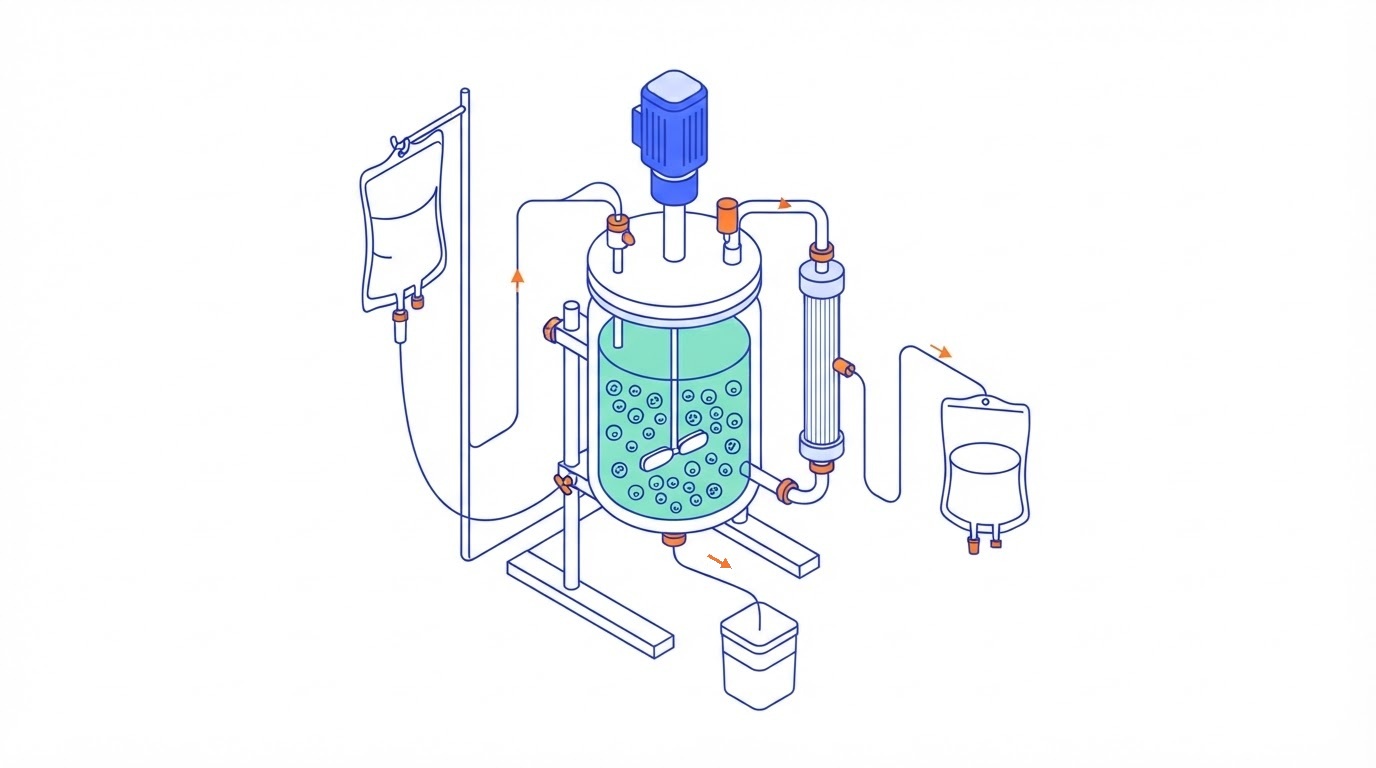
We read 38 primary sources on CHO perfusion. Two flows deserve most of the attention on cost: the medium you buy and the product the bleed throws away.
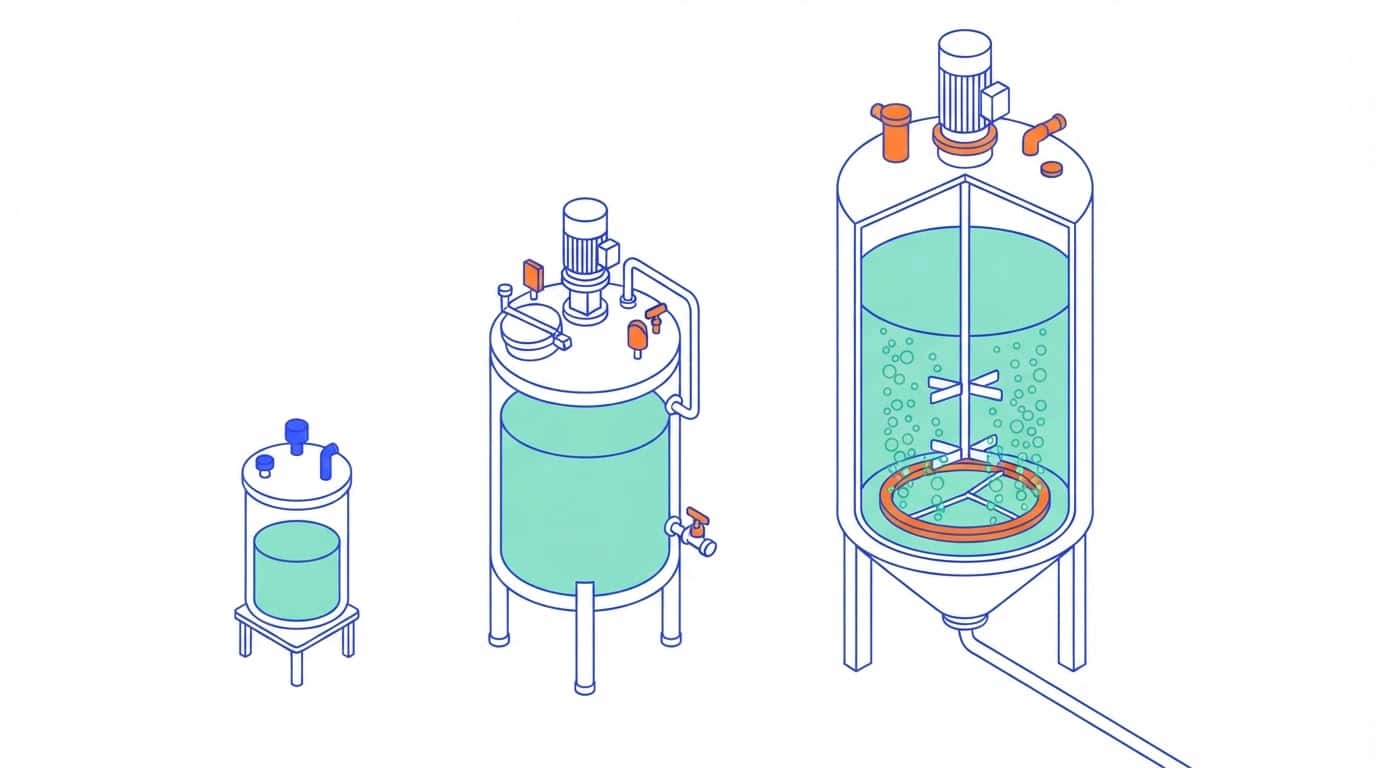
We read 38 primary sources on CHO scale-up. The trouble at 2,000 L is on the gas side and at harvest, not in impeller eddies.
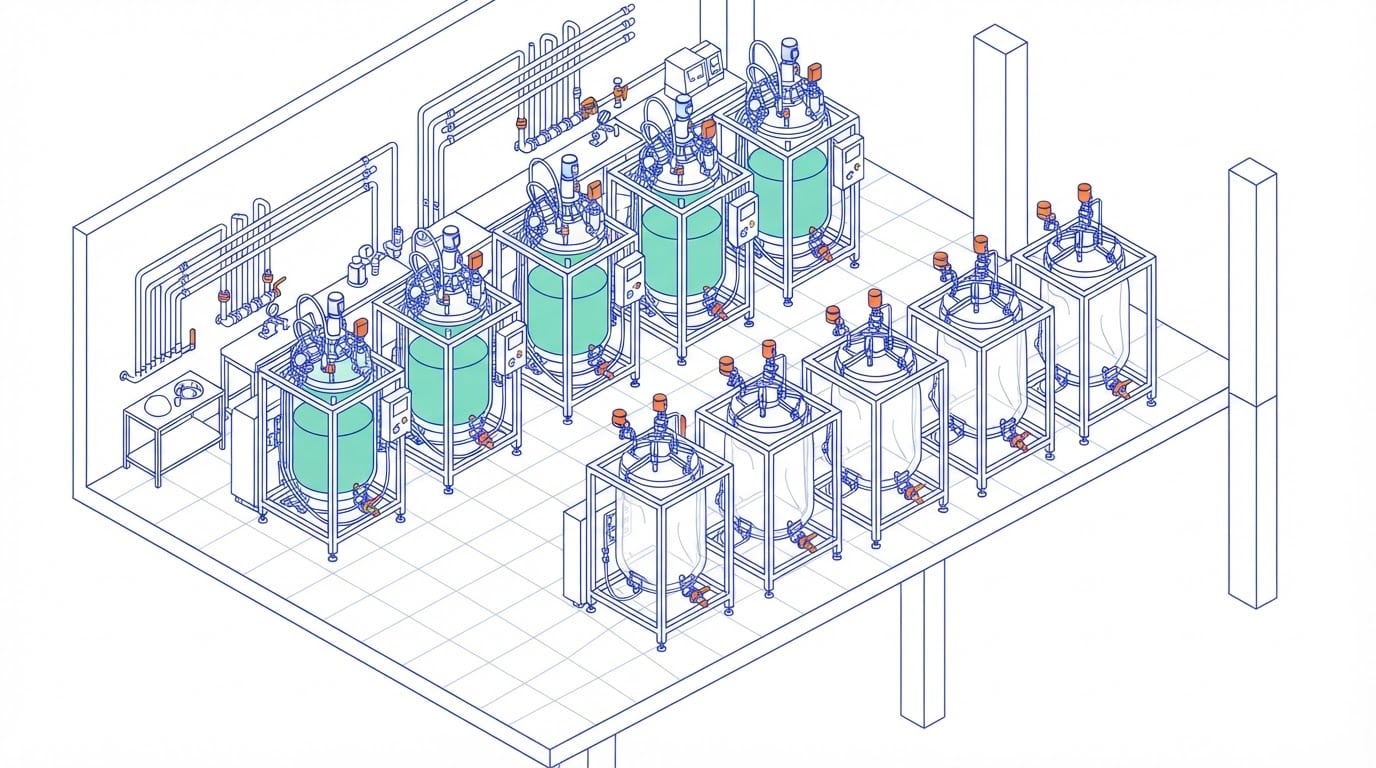
An undisclosed biopharma has booked half of the mammalian capacity at AGC Biologics’ Yokohama site: five products, 35+ batches a year, four PPQ campaigns in two years.
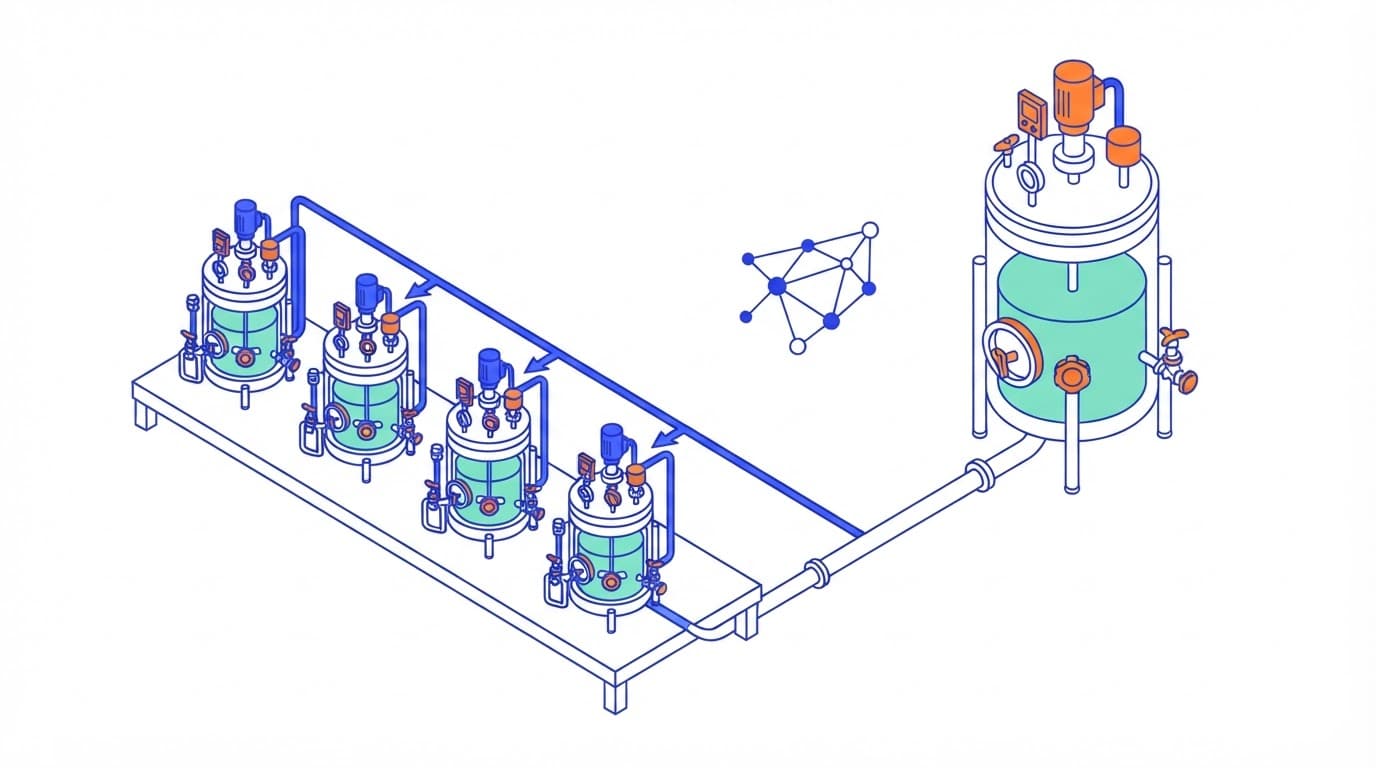
A Manchester and Xiamen study adapts a lab-built hybrid model with pilot data only and predicts industrial yeast fermentation at 23.2% MAPE, per the abstract.
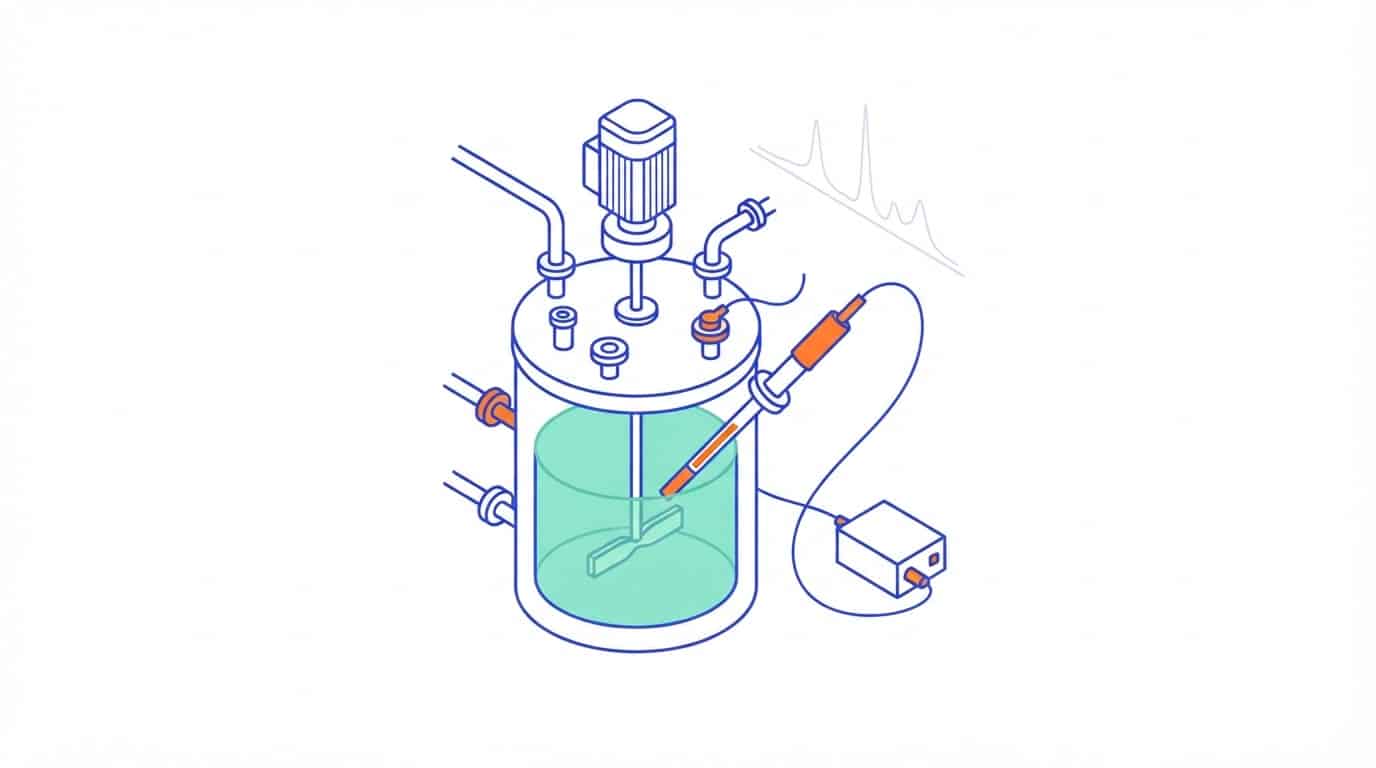
Five of eight Raman models calibrated on Ambr 250 data lost accuracy at 5 L. Choosing preprocessing per target cut cross-scale error by 14.0 to 56.1% for those five.
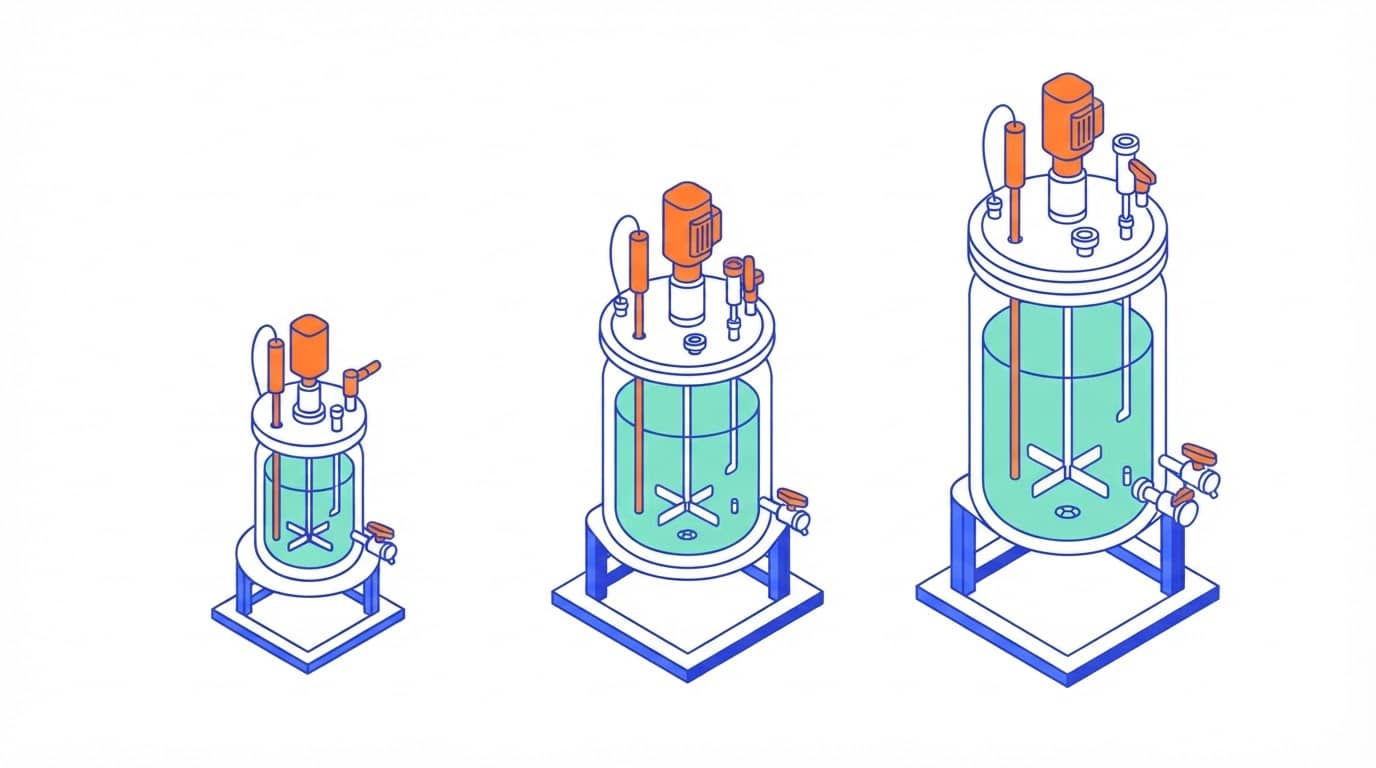
TU Berlin and Wacker fit one kinetic model from 30 L to 15 mL: batch growth aligns, pulse feeding does not, and mL-scale adaptations, chiefly IPTG, doubled specific yield (abstract).